
Last updated November 24, 2026
 Sweep & inspection
 Caps & crowns
 Flue relining
 Masonry repair
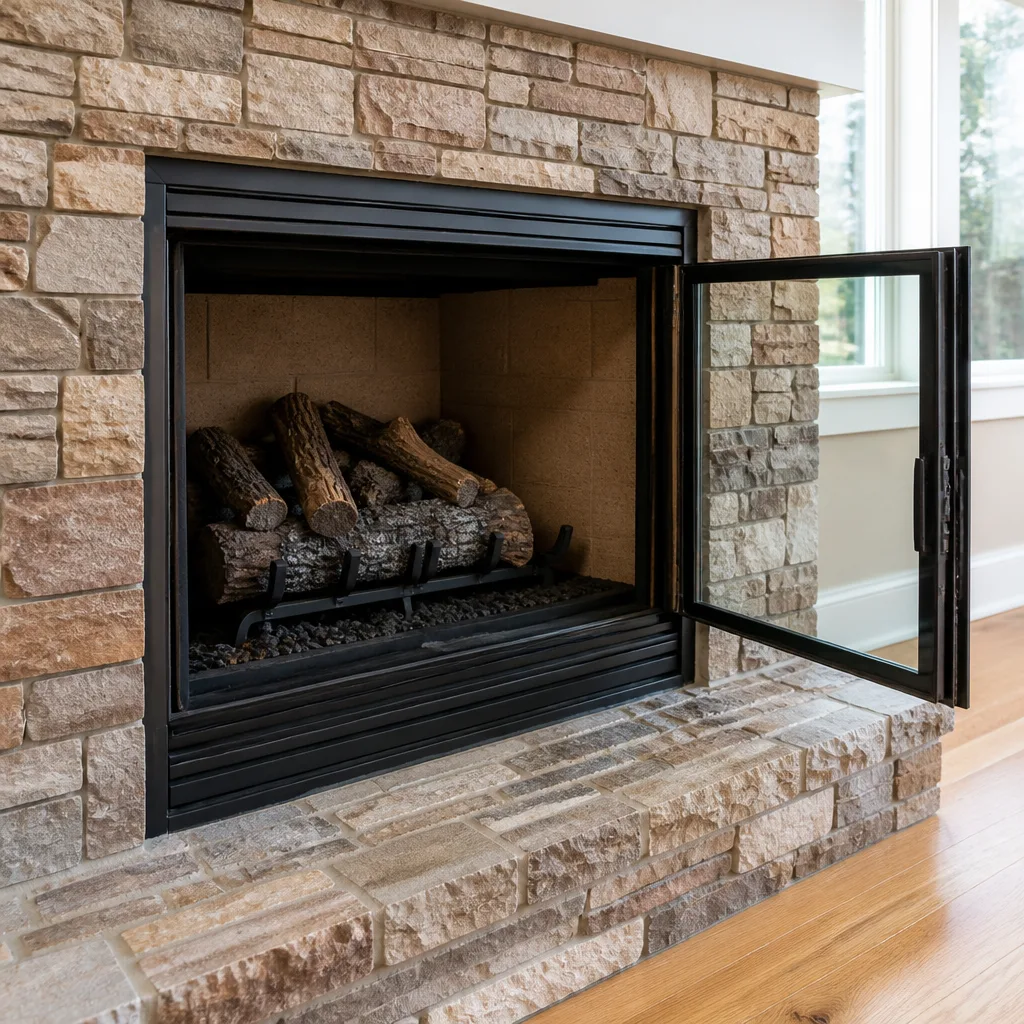 Gas fireplace service
Level 1 sweep and inspection to the NFPA 211 annual standard - flue, crown, cap, and flashing checked and photographed
Chimney sweep logs do not sweep chimneys. They loosen some creosote - which then falls where a brush and vacuum still have to collect it.
Chimney Sweep Maintenance Checklist for Herriman Homeowners
The mortar joint that lets water in during October becomes a cracked firebox liner by February, and it was visible in August if you knew where to look. Most Herriman homeowners think chimney care begins and ends with an annual sweep. It doesn’t. A sweep clears what has already built up; a maintenance checklist catches the deterioration that hasn’t caused a problem yet, so you’re fixing a joint instead of rebuilding a crown. Herriman’s high-altitude freeze-thaw cycle is especially hard on masonry, and a fire season that runs long into dry months adds its own stress. Below you’ll find a month-by-month checklist built for this climate, a list of what you can safely check from the ground, the interior checkpoints to run before your first fire, and clear thresholds for what to monitor versus what to stop lighting a fire over.
Quick Answer
A chimney maintenance checklist for Herriman homeowners should combine one professional sweep and inspection a year, a monthly visual check of the exterior from the ground, a pre-season interior check of the damper, smoke shelf and visible liner, and a written log of findings after each visit so you can spot deterioration trends. The two most important checkpoints are the cap and crown for water intrusion and the flue for creosote buildup. Everything else on the list exists to feed those two decisions.
Styles & brands we work with
- Sweep & inspection
- Caps & crowns
- Flue relining
- Masonry repair
- Gas fireplace service
Table of Contents
- How Herriman’s Climate Drives the Checklist
- Month-by-Month Chimney Maintenance Calendar
- Exterior Checklist: What You Can See From the Ground
- Interior Checkpoints Before the First Fire
- What to Log After Every Sweep Visit
- “Monitor It” or “Stop Lighting” Thresholds
- Cap and Crown: The Two Items Most Often Missed
- When to Book a Professional Sweep and Inspection
How Herriman’s Climate Drives the Checklist
A chimney maintenance schedule that works in a mild climate doesn’t work here. Herriman sits high enough that the freeze-thaw window lasts for months, and that cycle is what does the slow damage. Water soaks into a brick or a mortar joint during a warm afternoon, freezes overnight, expands, and pops the face off the masonry. Repeat that dozens of times across a winter and a hairline crack opens into a real path for water. This is why the timing of your checks matters as much as the checks themselves. September and October are the months when you can still see and repair a small flaw before freeze damage has a whole winter to work on it.
Fire season adds a second layer. Dry months from late spring through early fall mean roofing, siding and landscaping are more receptive to an ember that escapes the cap. A spark from a fire on a windy, low-humidity day is a different risk than the same spark in a wetter climate. That doesn’t mean don’t burn; it means the cap and the screen deserve real attention, not just a glance.
There’s one more factor unique to newer Herriman neighborhoods. Construction dust, drywall grit and sawdust from a home’s original build often sit in the smoke shelf and firebox area of a newer house that has never been properly swept. If you bought a home built in the last decade and have never had it inspected, that first professional chimney sweep is worth scheduling before your first fire.
- Freeze-thaw months: check exterior masonry in fall before the first hard freeze
- Dry fire season: check the cap and spark screen for integrity and fit
- Pre-season: check the damper, smoke shelf and visible flue
- Post-season: log what you found and note what to watch next year
Month-by-Month Chimney Maintenance Calendar
The calendar below ties each task to the climate cycle in Herriman so you’re not checking things in the wrong season. The goal is to catch deterioration while repair is still small and cheap.
- March: After your last fires of the season, do nothing more than a quick visual. Note any new stains or loose mortar you can see at the roofline.
- April – May: Book your professional sweep and inspection now while the calendar is open. Post-season is when you want a full assessment, before summer heat bakes in issue.
- June: Clear brush, branches and stored items back from the chimney crown and cap. Ember receptivity is highest in dry summer months.
- July – August: Take a ground-level look with binoculars for spalling brick, cracking crown, and flashing pulling away from the roof.
- September: Do a full exterior check before freeze-thaw season. This is the last easy window to fix small masonry issues before winter.
- October: Run the interior pre-season checklist (damper, smoke shelf, liner). Schedule any recommended repairs so they’re done before your first fire.
- November – February: Burn and monitor. Note any change in draft, smoke, or smell while the fireplace is in use. Add each to your log.
If a task lands in a month you’re not comfortable with, it’s fine to shift it a few weeks. What’s not fine is skipping it entirely and hoping the season passes quietly. In our experience, the chimney owners who avoid big repairs are the ones who wrote something down every year and noticed the small trend early.
Exterior Checklist: What You Can See From the Ground
You don’t need to climb a roof to get meaningful information. A pair of binoculars and a walk around the house at ground level will reveal most of the issues that lead to expensive repairs. Here’s what to look for, and what each finding usually means.
- Spalling brick: The face of a brick flaking off or a brick that looks like its surface is peeling. This is freeze-thaw damage, and it’s the most common masonry issue in Herriman. Small spalls are a monitor item; wide, widespread spalling means the brick has lost its weather resistance.
- Cracked or crumbling mortar joints: Look at the seams between bricks. Any joint that’s missing mortar or looks chalky allows water straight into the wall. Monitor narrow cracks; larger ones tend to grow through winter.
- Crown condition: The crown is the concrete or masonry slab on top of the chimney that sheds water. Look for cracks, a crown pulling away from the flue, or a crown that has clearly sagged. A failed crown funnels water straight down into the chimney structure.
- Cap and screen: The cap sits on the crown; the screen or spark arrestor sits inside or on top. A missing screen lets birds and debris in, and a cap that’s cocked, rusted through or pulled loose is no longer shedding water or stopping embers. Professional-grade caps from Famco or Olympia Chimney are built to fit and seal correctly.
- Flashing separation: The metal around the base of the chimney where it meets the roof. If the metal is lifting or the tar sealant is cracked, water can run down the chimney chase into your attic. This is a “call it in” item if it looks separated.
- Rust stains or white mineral streaks: Rust comes from hardware or a crown over the flue; white chalky streaks are efflorescence and mean water has moved through the masonry. Both are signs the chimney is taking on water somewhere.
Binoculars give you the whole picture without the risk. Rooftop work in Herriman, especially on a steep pitch, is not a DIY job. Keep both feet on the ground, take photos or notes, and call someone trained to go up.
Interior Checkpoints Before the First Fire
Before you light the first fire of the season, run these interior checkpoints. None of them require climbing on the roof, and each one can tell you something real about the health of the system.
- Damper operation: Open and close the damper fully. It should move without scraping or sticking. If it’s jammed open, jammed closed, or you feel it wobble, note that and call for fireplace repair before you use the fireplace.
- Smoke shelf: Get a flashlight up into the firebox and look at the smoke shelf, the ledge just behind the damper. It’s a magnet for debris, soot and the occasional bird. If it’s thick with buildup, that’s a sign the flue needs a sweep.
- Visible liner condition: Look up into the flue with the damper open. You’ll see the first section or two of the liner. If you can see cracked or missing tiles in a clay flue, shiny glaze, or gaps in a metal liner, stop. That’s a professional call.
- Firebox walls: Look for cracks, especially in the mortar seams between firebricks. Small hairline cracks are common; cracks deep enough to pass a coin or a card through are a “stop lighting” threshold.
- Creosote on the flue: A dry, soot-like coating is one type of creosote. Harder, shiny glaze is the type that burns hottest when it ignites. If you see glaze, don’t burn again until the flue is swept. Glazed creosote is the primary fuel for chimney fires.
- Smell and draft: Light a small piece of newspaper with the damper open. If smoke rolls back into the room instead of going up, either your chimney is blocked or there’s a draft problem. Either way, don’t proceed.
This is also where you’d note whether your fireplace has a metal liner or a clay tile flue, and whether the flue is sized for your appliance. If the flue is undersized, you’ll get poor draft and more buildup, and a proper assessment usually requires a camera and a trained eye.
What to Log After Every Sweep Visit
The most valuable part of a checklist is the record you keep after each professional visit. Chimney deterioration is slow and easy to miss; it’s much easier to catch over time if you have the datasheet.
Ask your sweep for the inspection findings and write them down. Then log a small set of facts each year so you can see the trend.
- Date of the sweep and inspection
- Amount of creosote removed and its type (dry soot, glaze, mixed)
- Condition of the crown and cap: intact, cracked, replaced
- Any noted spalling on brick or corrosion on the liner
- Flue type and size: clay tile or metal liner, and dimensions
- Damper condition and any repair performed
- Outside weather at the time (first hard freeze, mid-summer dry, etc.)
- Photos taken at the start and any crack found
What you’re looking for over three to five years is rate of change. A single hairline crack is nothing. The same hairline crack that has grown to two hairline cracks and a loose brick across three seasons means water is working its way in. If your previous sweep is turning up more damage each year, that’s the signal to look at the crown and the flashing rather than assuming next year will be the same. Built-to-spec caps, crowns and liners installed from brands like Copperfield or DuraFlex are how you end that cycle; a generic cap from a big-box store rarely seals the same way, and a handypatch on a crown is a temporary fix at best.
One more thing to log: how your fires behaved. Did you notice more smoke in the room this year? More smell? Draft changes are often the first real warning before the masonry damage shows.
“Monitor It” or “Stop Lighting” Thresholds
This is the part most checklists skip. Knowing when to worry and when to just watch is what makes a checklist useful instead of alarmist. Here’s a simple threshold guide for Herriman homeowners.
Monitor It
- A single hairline crack in the firebox mortar, no wider than a hair
- A thin white flaking on a single brick face
- A joint with missing mortar but no gap between bricks
- A new small rust spot on a cap screw
- A slight smell of smoke when lighting the fire
Call Before You Light Another Fire
- Cracks in the firebox you can slide a coin into
- Any glazed, shiny creosote visible in the flue
- A cracked or visibly failed liner (clay tile or metal)
- Loose or missing brick on the exterior
- Flashing separated from the roof
- A crown that is cracked through or has pulled away from the flue
- A cap that has come off, cocked sideways, or lost its screen
- A strong smoky smell in the room even when the fire is out
These are thresholds, not verdicts. A chimney technician with a camera can confirm what’s happening inside. If you see any “stop lighting” item, stop, and call for an inspection. The point of the threshold is to keep a small problem from becoming a fire hazard or a full rebuild.
One thing to be honest about: creosote and glaze are fire hazards, and carbon monoxide is a real risk if a flue is blocked. A working cap and screen, a clear flue and an intact liner are what keep those risks low. If you’re unsure, treat a checkmark you can’t verify as a “call it in.”
Cap and Crown: The Two Items Most Often Missed
If you only act on two things on this whole checklist, make them the cap and the crown. The cap blocks water, animals and embers; the crown sheds water off the top of the chimney and away from the masonry. When either fails, water enters the structure and starts doing damage in the freeze-thaw months.
A right-sized cap isn’t a universal fit. Professional-grade options from Famco and Olympia Chimney are selected and installed to fit the actual flue and the chimney’s footprint, so the cap sheds water and doesn’t trap moisture. A cheap off-the-shelf cap that sits wrong can trap water and rust inside the flue. The crown is the same story: a proper crown is cast and finished so the water runs to the edges and off, not into the top of the brick.
Why these get missed: they’re at the top of the chimney, they don’t show up in a photo from the driveway, and some basic sweep visits don’t include them in the scope. That’s why our five service categories separate them out. Chimney Cap & Crown is its own service, so a repeat visit to fix a cap or crown doesn’t require booking a sweep at the same time. If your current chimney company is only going to sweep and leave, ask them specifically about the cap and the crown before they leave the roof.
When the cap is failing, you’ll usually see it as water stains on the ceiling, a musty attic smell, or a chimney exterior that looks damp. Don’t wait for the visible stain; a ground-level check in August will catch a cocked cap before the fall rains. If you’re ready to close that gap, a chimney repair call is where the cap and crown work usually gets scheduled.
When to Book a Professional Sweep and Inspection
Book a professional sweep and inspection once a year, at minimum. That’s the baseline. Beyond that, book when any of the following is true:
- You’ve never had the chimney inspected, or you’re not sure of the last service date
- You just bought a home in Herriman and haven’t seen the paperwork from the last owner
- You’ve had more than a season of regular fires since the last sweep
- You see glazed creosote, a cracked liner, or a failed crown from the ground or the firebox
- You smell smoke in a room where the fire is not lit
- You are preparing to sell and need documented inspection findings
An inspection is not a sales pitch. It’s a camera and a trained eye, with photos you can look at yourself. That’s the reason our inspection stands as its own service in our menu. We inspect before we recommend, and the recommendation is based on what the camera and the report show, not on what a previous sweep told you to worry about.
Our technicians have up to 15 years of experience, and every recommendation we give you comes with the evidence to match. When a full reline is the answer, we install DuraFlex liner systems; when the flue needs resurfacing, we apply HeatShield. Both are professional-grade systems used by chimney specialists, and they’re the reason we can handle a repair instead of handing the job off to a second company. From sweep to repair, it’s one specialist.
If you’re on the fence about timing, the fall window is the easiest. Herriman homeowners who book a sweep in April or May tend to have more choices available and more time to fix a small item before the first freeze.
Common Mistakes to Avoid
- Only checking the chimney while a fire is lit. Smoke or smell during a fire is the symptom; the cause is often in the crown or the cap. Check the exterior in the dry summer, not just when you’re cold.
- Ignoring the cap because “it’s still on.” A cap that’s cocked or rusted through can still sit on the chimney. Look for rust and fit, not just presence, and if it’s loose, treat it as a repair.
- Letting a handyman patch the crown with a tube of sealant. A temporary patch on a failing crown is a band-aid before the freeze. Crown work needs to be finished so water sheds away from the brick, and professional-grade cap and crown products are built for that job.
- Putting off a sweep because the fire still burns. A fire that lights and burns does not prove the flue is clean. Glaze and blocked flue are invisible from the living room, and the fire behaves the same until it doesn’t.
- Treating the inspection as optional. A sweep is a cleaning; an inspection is a diagnostic. If your sweep company only sweeps, you don’t actually know what’s under the roof.
- Not writing anything down. Without an annual log, you can’t tell whether a hairline crack is three years old or new. That single record is the difference between a fix and a rebuild.
- Spending money on the wrong repair first. Chimney repair is sequential. Cap and flashing water damage gets fixed first; interior liner work usually follows. Skipping the first step means the second repair is exposed to the same water that caused it.
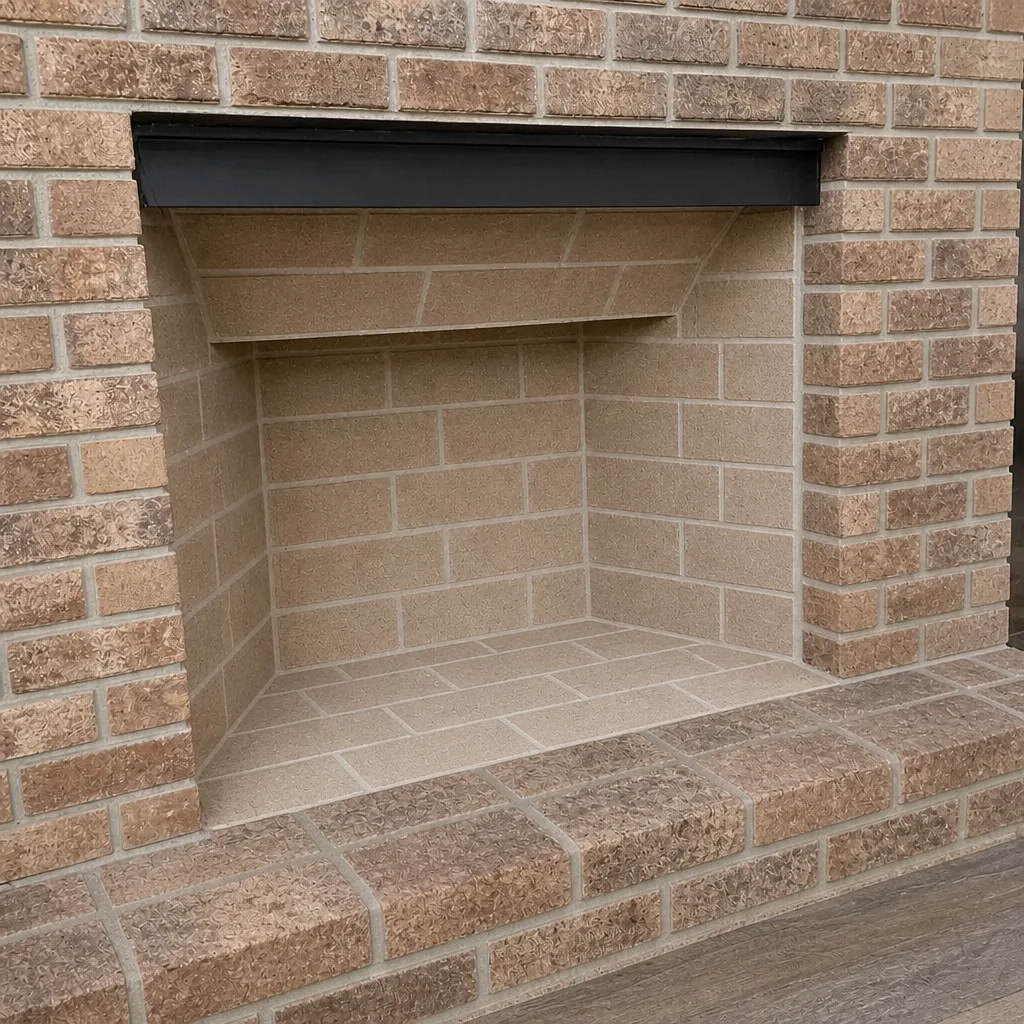
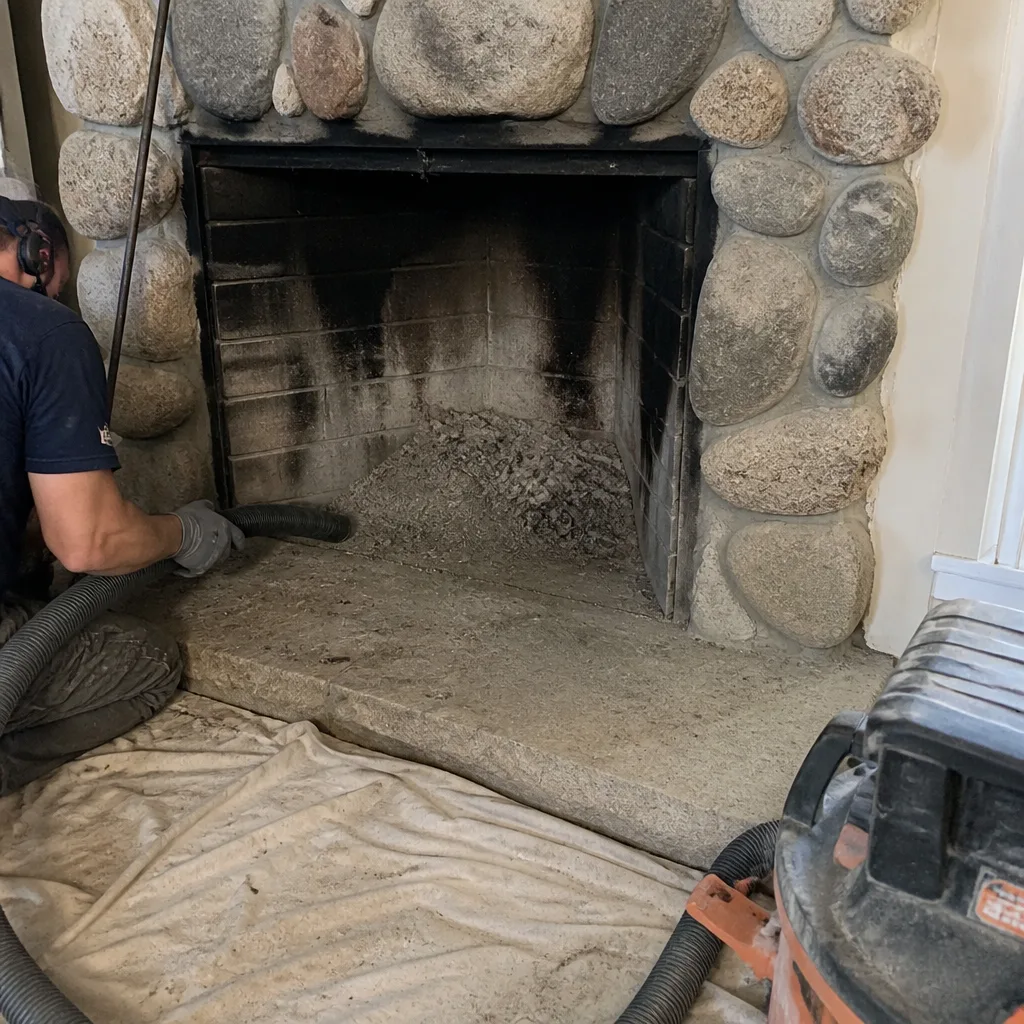
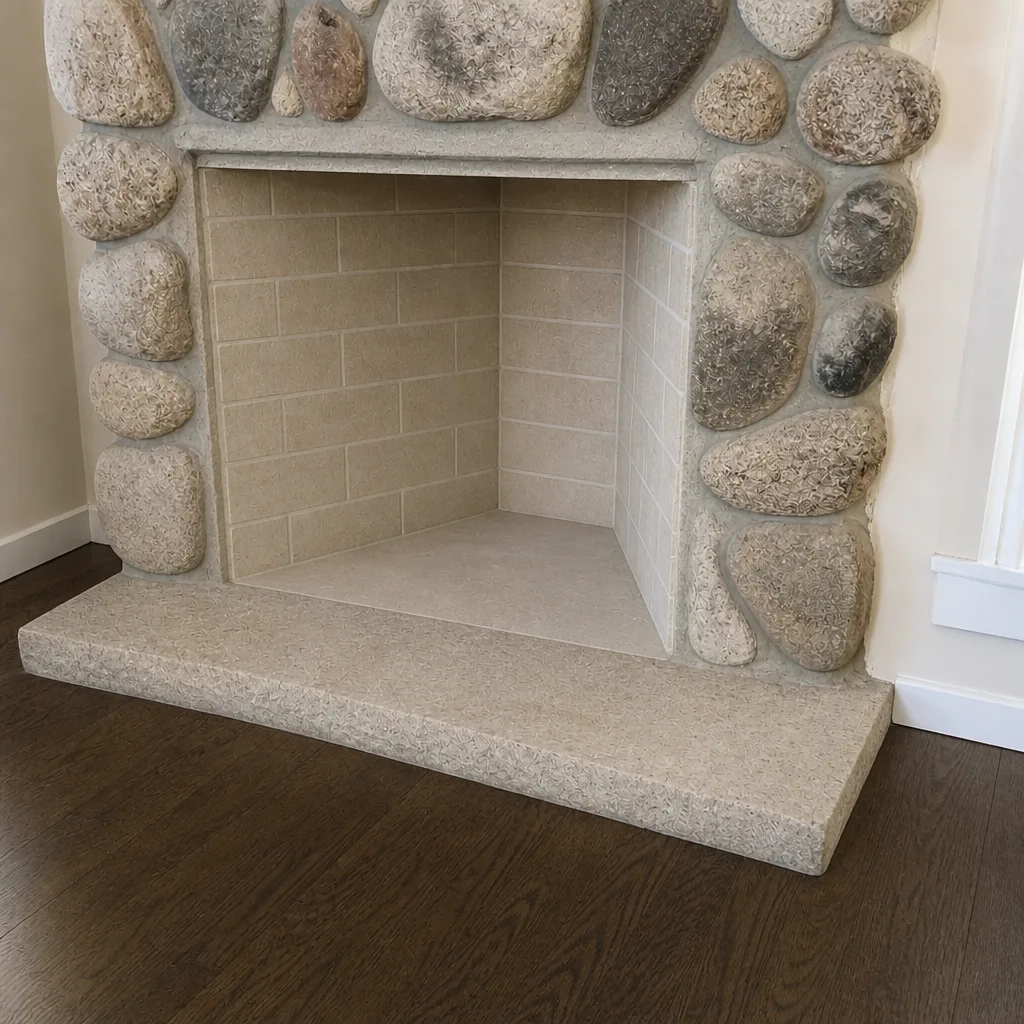
See the difference
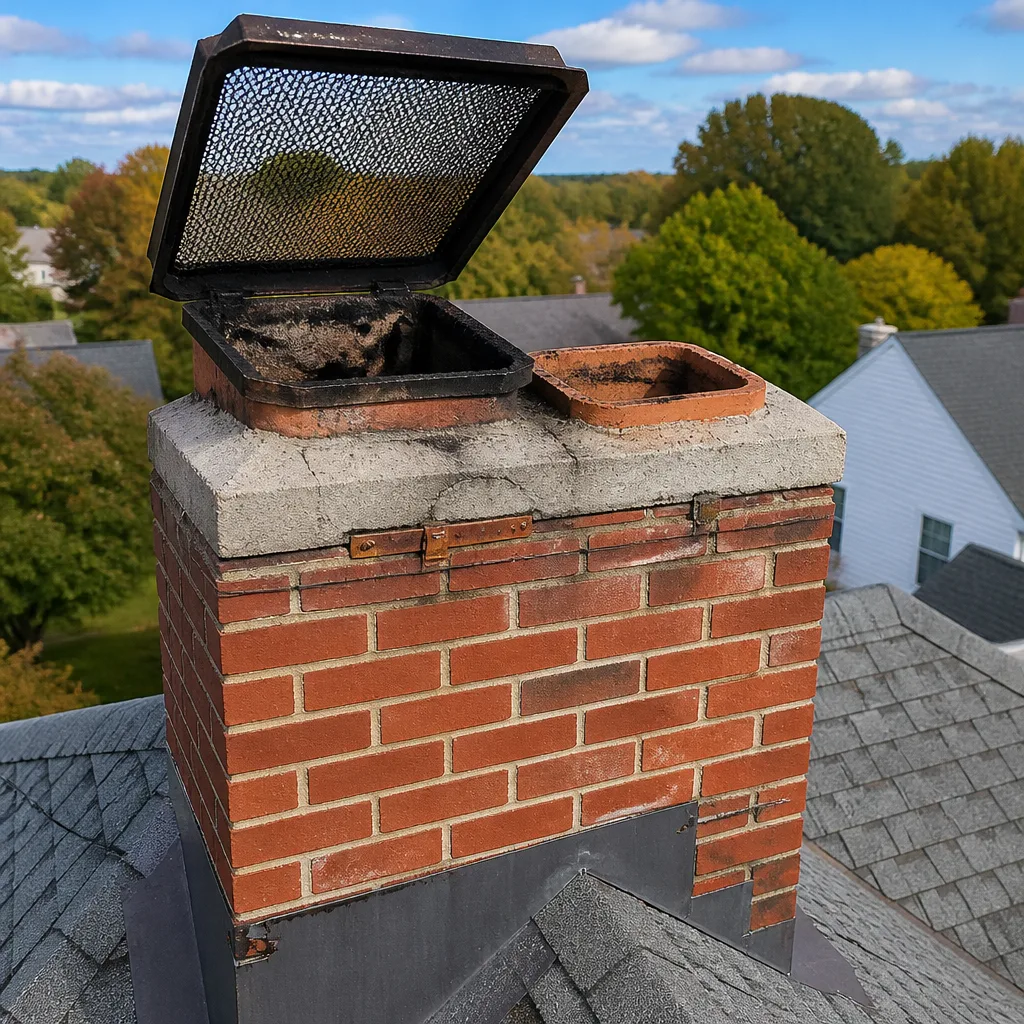
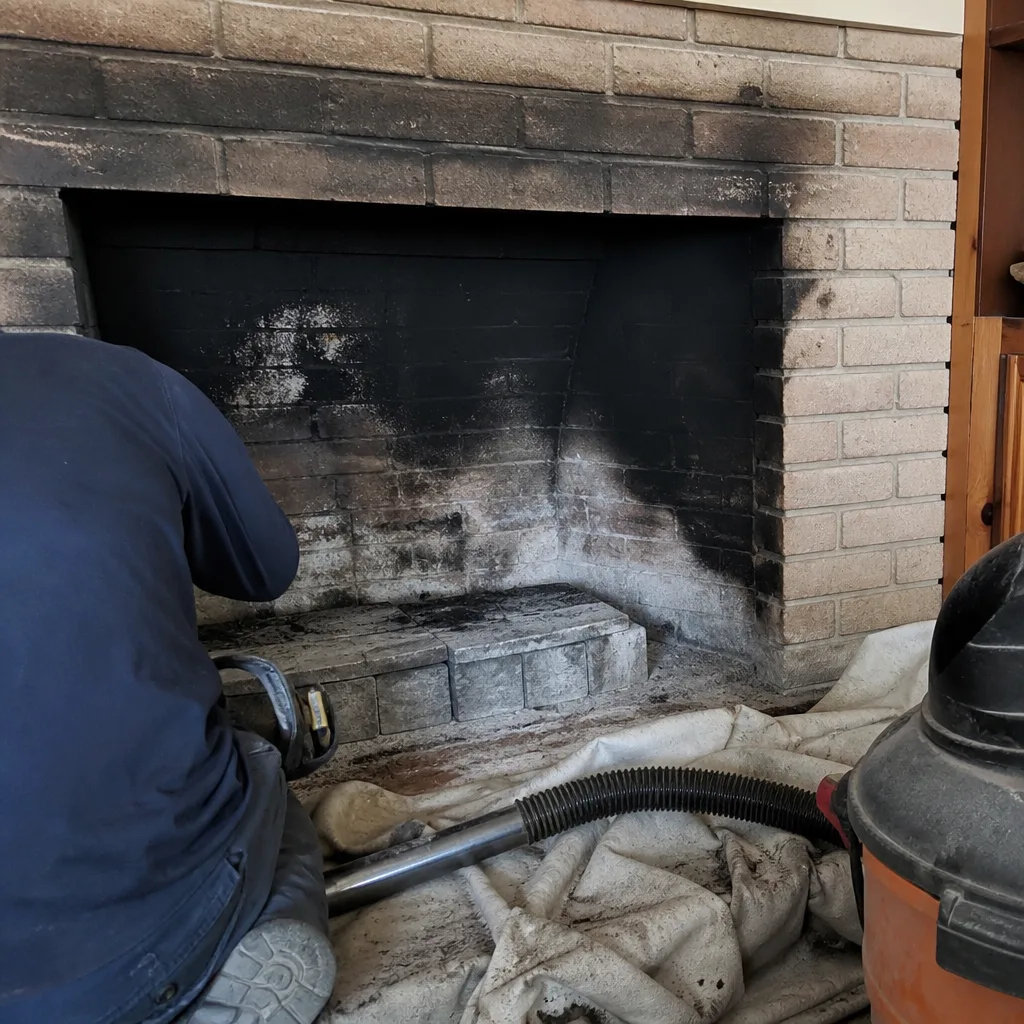 Before
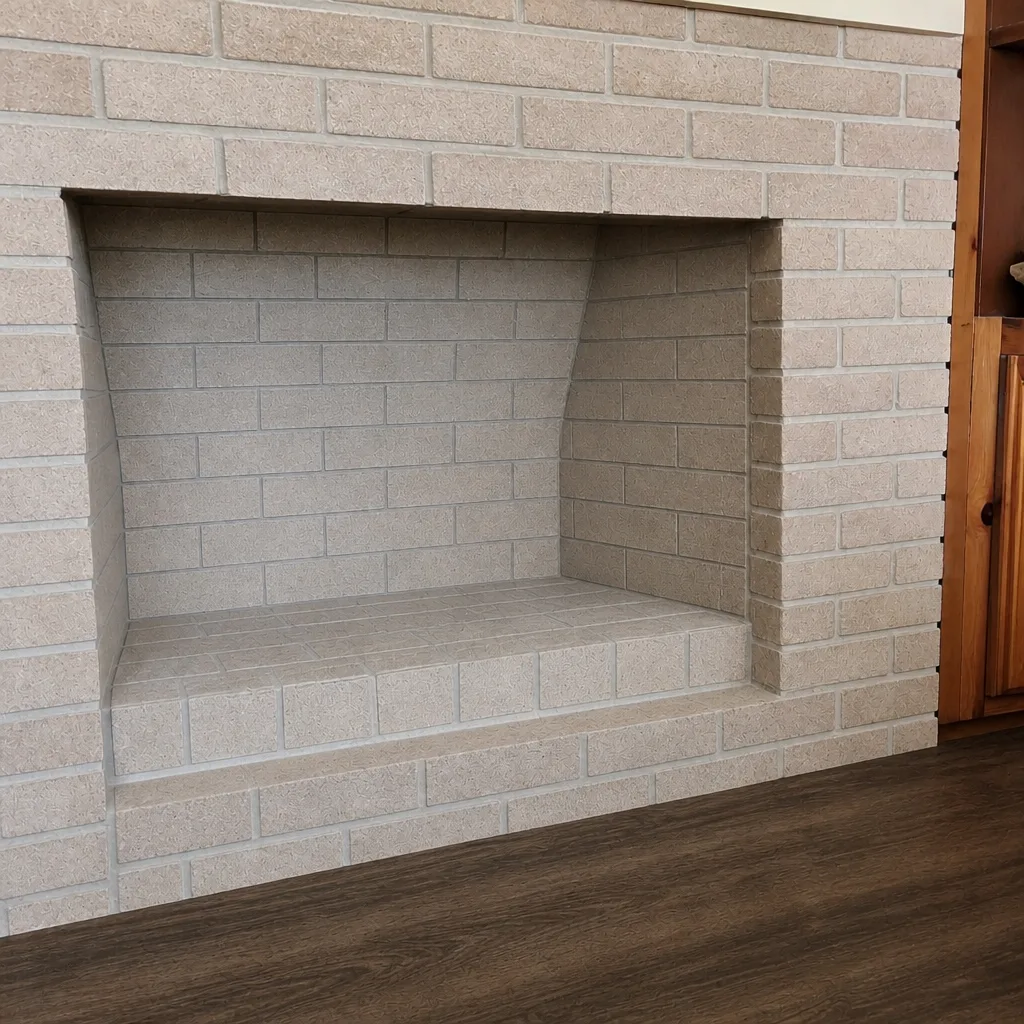 After
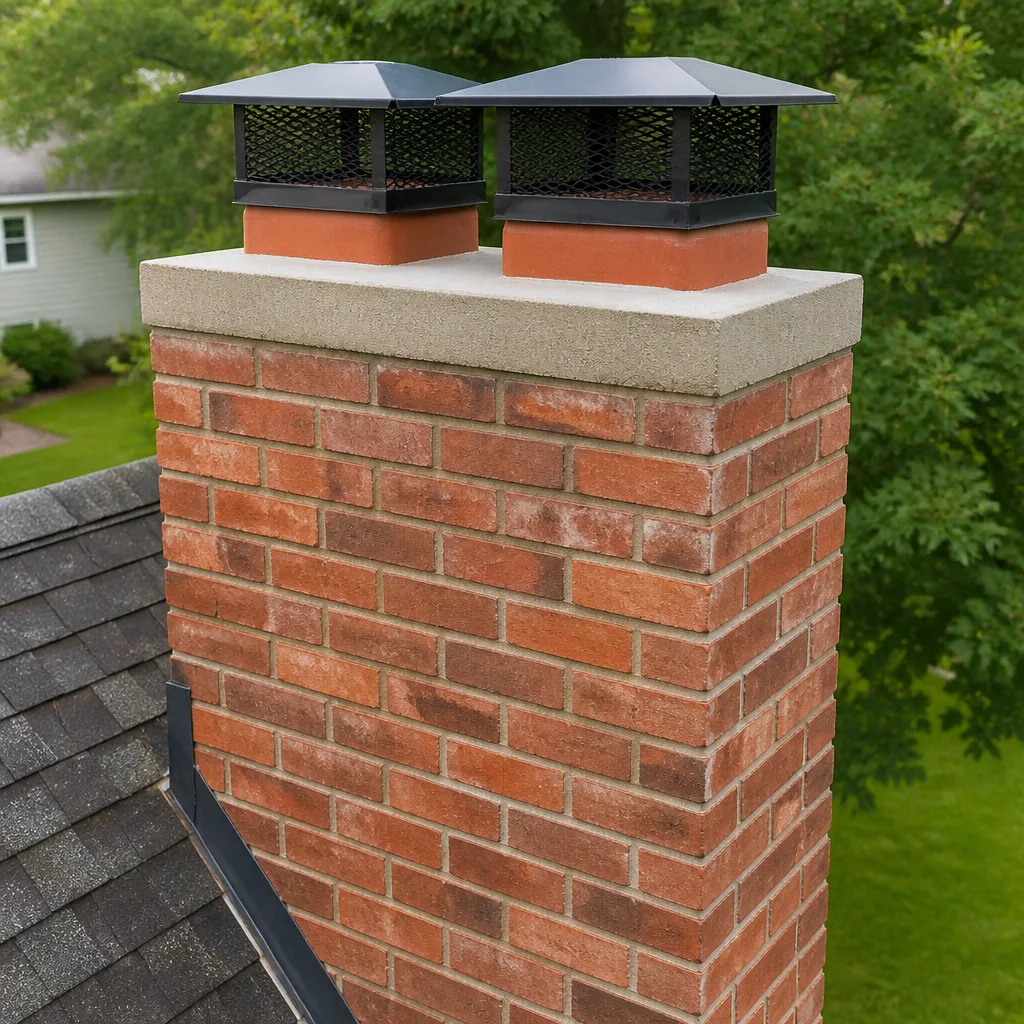
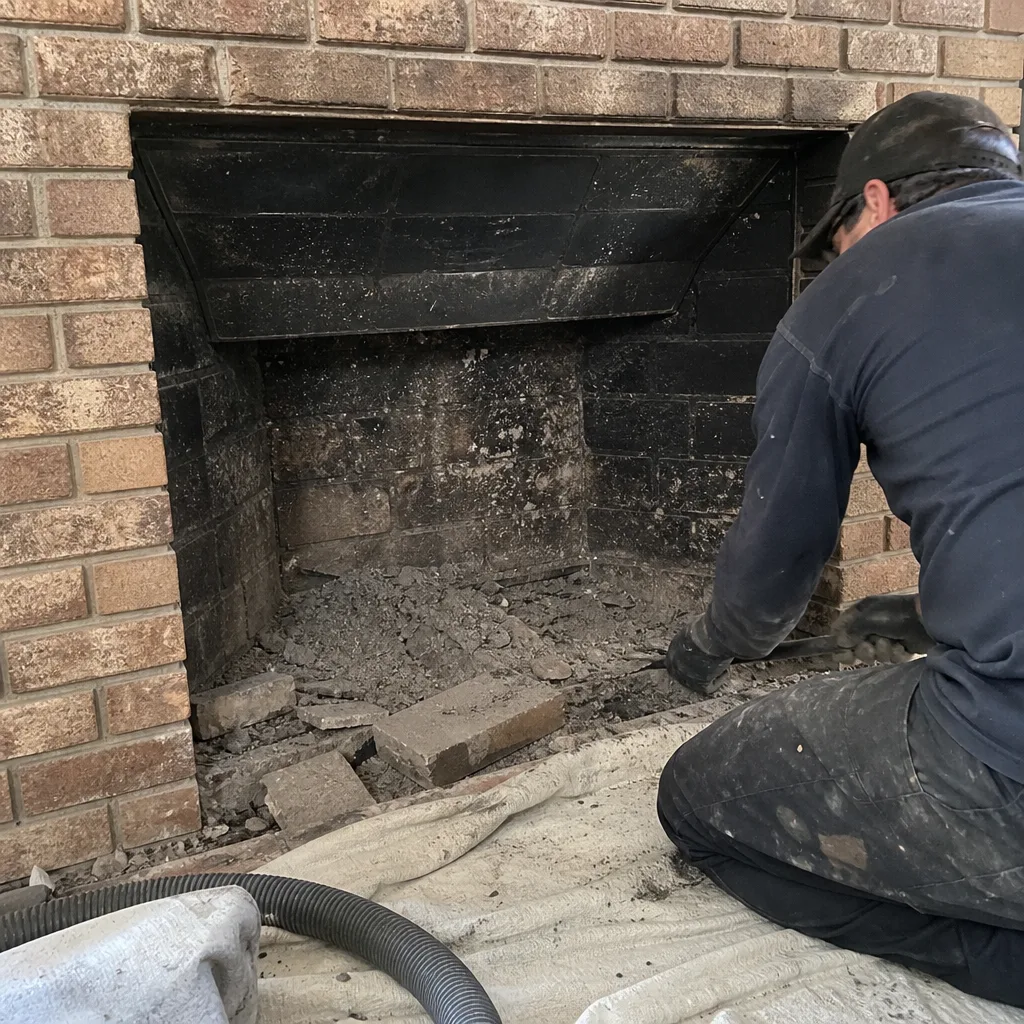 Before
 After
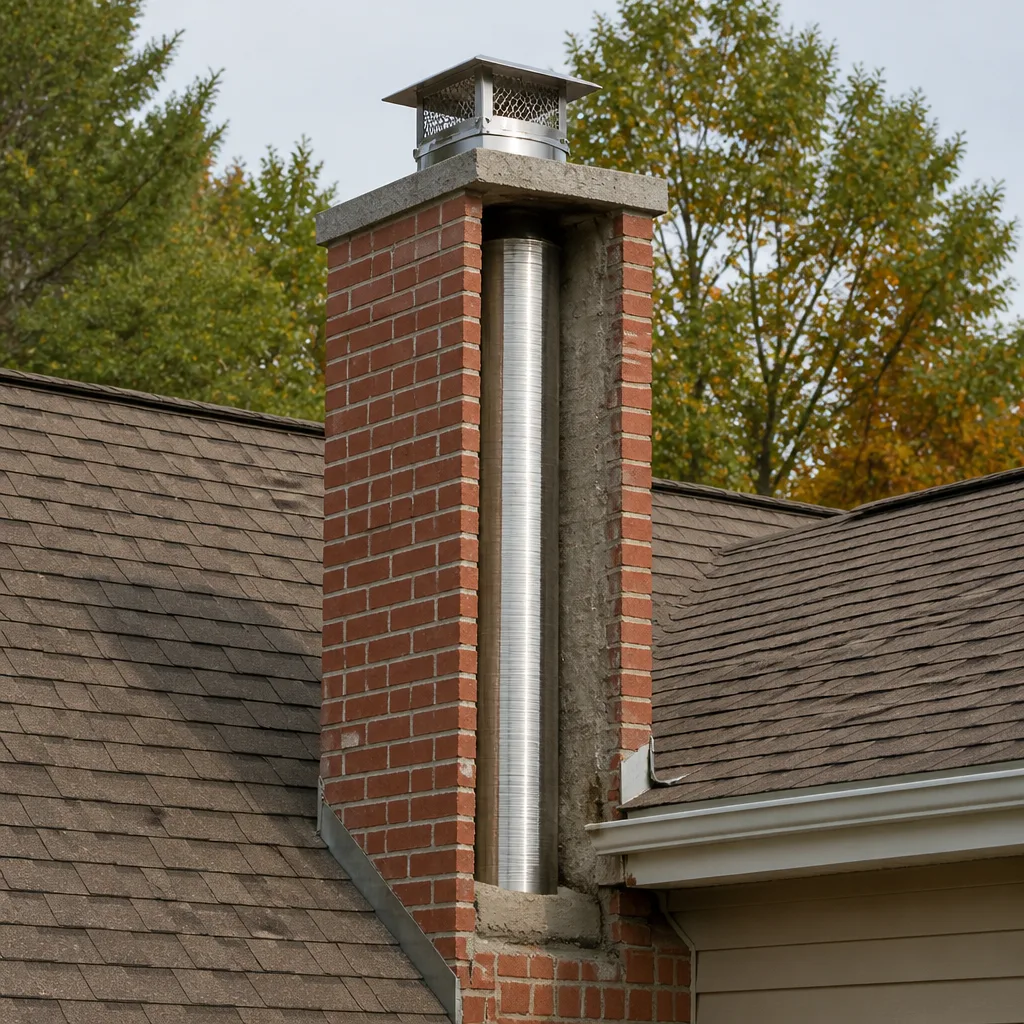
 Before
 After
When to Call a Professional
Call a professional if you see cracked brick in the firebox, glazed creosote, a failed liner, a cap that’s off or a crown that’s cracked through. Call if the flashing is separated from the roof or you smell smoke when the fireplace is cold. Call if you’ve never had the chimney inspected or you’re about to sell. And call if you’ve had a previous company that found an issue but couldn’t fix it; that’s a reason to get a full diagnostic rather than another sweep. Chimney Sweep Herriman offers free estimates in Herriman. Call (833) 508-9248. We answer 24/7. Fast dispatch from 7am to 7pm, Sunday through Friday.
A professional sweep is also worth scheduling if you’ve managed a basic inspection from the ground and want to know what’s actually going on inside the flue. A camera inspection takes most of the guesswork out of it, and the report gives you a photo to compare against next year’s.
Frequently Asked Questions
Once a year for most homes with an active fireplace or wood stove, and more often if you burn heavily or notice glaze. Herriman’s long burn season means creosote accumulates over more months than in milder climates, so an annual sweep and inspection is the safe baseline. Call (833) 508-9248 for a free estimate.
A maintenance checklist covers the annual sweep and inspection, a monthly ground-level exterior check, a pre-season interior check of the damper, smoke shelf and visible liner, a drying/monthly check of cap and crown, and an annual log of findings. It’s the log that turns one season’s check into a trend you can act on. If you’re starting fresh, call (833) 508-9248 and we’ll book the first sweep and inspection.
Yes, from the ground with binoculars, and it’s genuinely useful. Look for spalling brick, crumbling mortar, a cracked crown, a loose or rusted cap, and flashing that’s separated from the roof. Don’t climb on the roof to check from above; a trained technician handles that. For anything you’re unsure about, call (833) 508-9248.
We price each job by written estimate, so the exact number is set after we see the chimney. What’s guaranteed is the estimate is free, and it’s based on a camera inspection, not a guess from the driveway. Call (833) 508-9248 and we’ll give you a real number. The final price is the one on the written estimate.
Only if the inspection shows the liner is cracked, missing, or sized wrong for your appliance. A camera inspection and photo report is what tells you. A liner is not an automatic add-on; we recommend it when the evidence supports it, and we can safely wait when it doesn’t. Call (833) 508-9248 to have a liner assessed before you decide.
Most of the time, nothing dramatic happens, and that’s the trap. The visible damage in a skipped year is usually small: a hairline joint, a cocked cap, a little more creosote. The problem shows up in a later year when freeze-thaw has had time to work on the small opening. The reason to keep the checklist is to catch that year, not this one. Call (833) 508-9248 to get back on schedule.
The Bottom Line
A chimney maintenance checklist is not a reminder to book a sweep; it’s a framework that lets you see deterioration before the winter freeze turns a joint into a rebuild. Herriman’s freeze-thaw cycle and long fire season make the timing of your checks as important as the checks themselves. Sweep and inspect once a year, look at the exterior from the ground each month, run the interior checkpoints before the first fire, and log what every visit finds. Then act on the two things that cause the most damage: the cap and the crown. The threshold list in this guide tells you when to monitor and when to stop lighting until you’ve had a proper look. Most repairs are simpler and smaller than a rebuild if you catch them in August.
Ready to get on a schedule? Chimney Sweep Herriman offers free estimates in Herriman, and every recommendation comes with a camera inspection and photo report you can look at yourself. Call (833) 508-9248. We answer 24/7. Fast dispatch from 7am to 7pm, Sunday through Friday. Visit Chimney Sweep Herriman to see our full range of services, from sweep and inspection to repair, reline and cap installation handled by one specialist.
Written by the team at Chimney Sweep Herriman.