
Last updated November 24, 2026
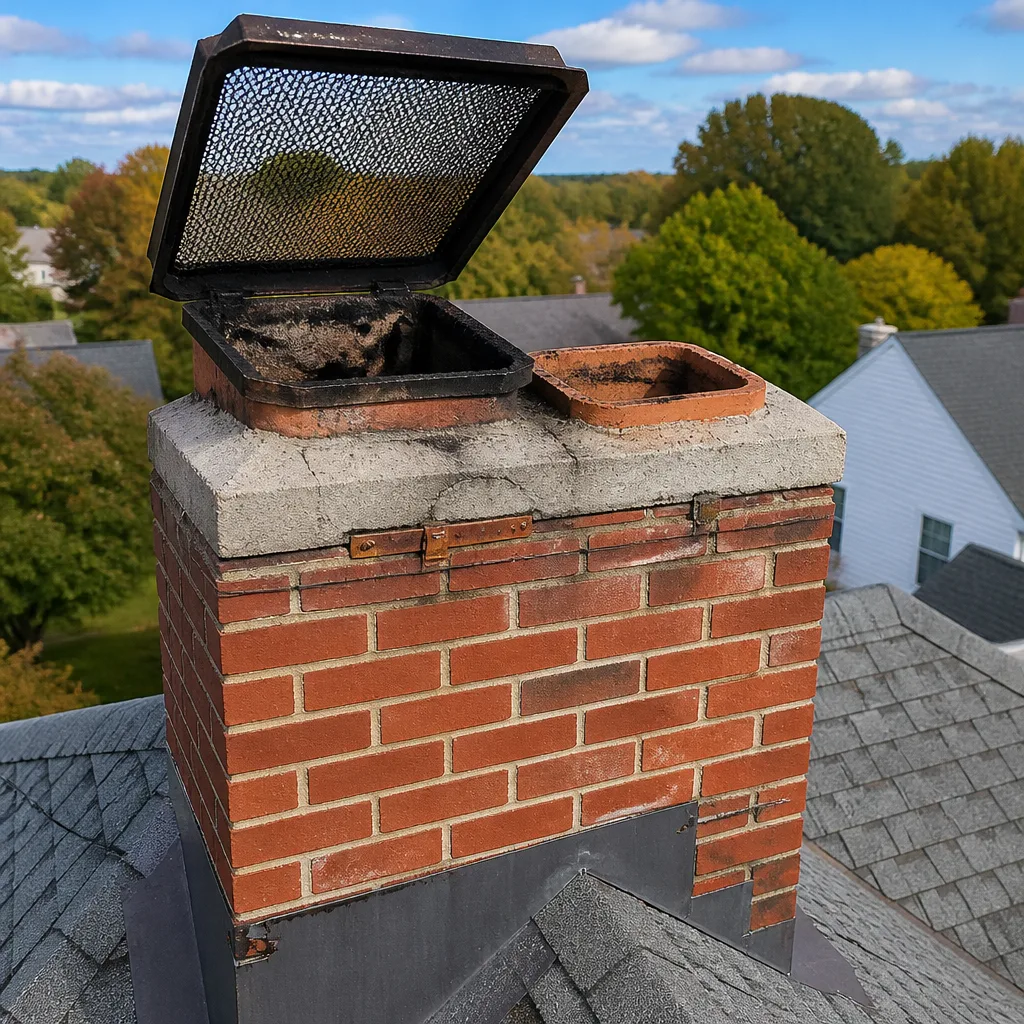 Sweep & inspection
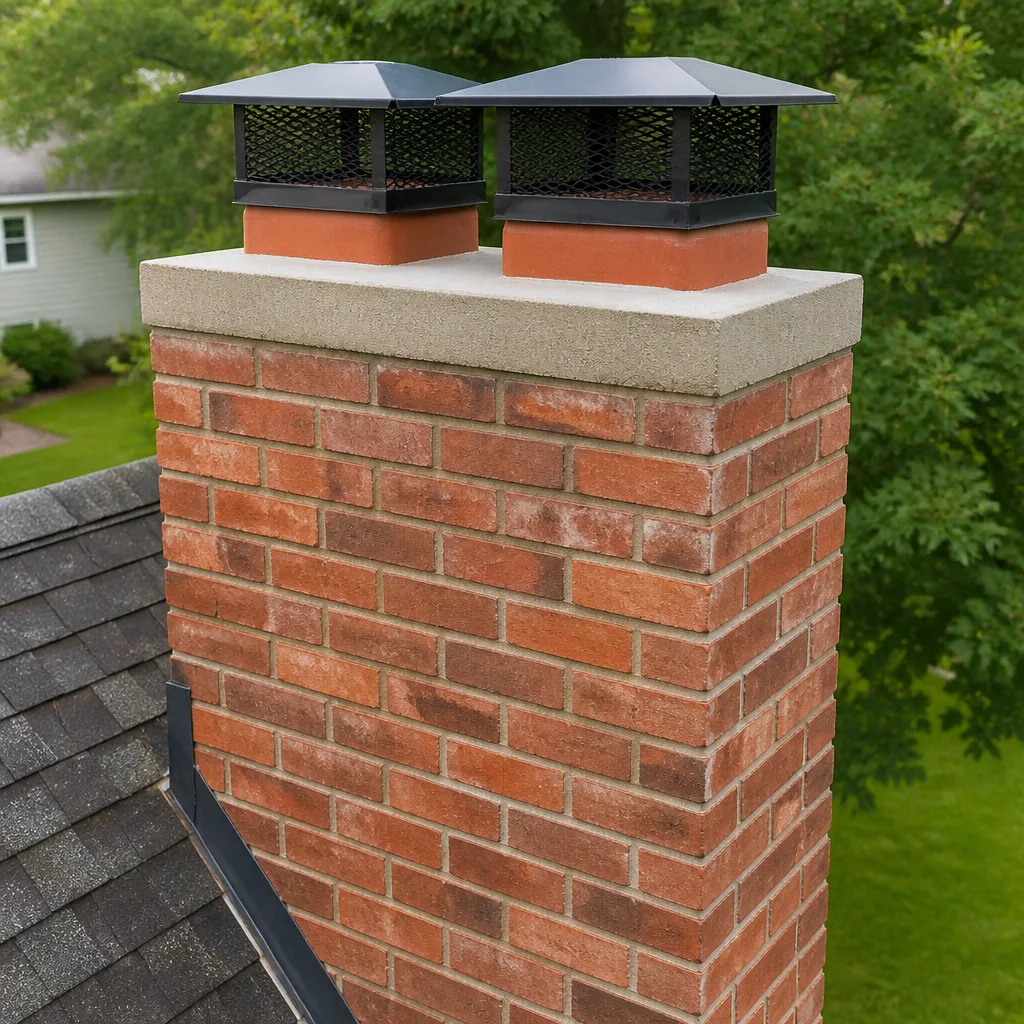 Caps & crowns
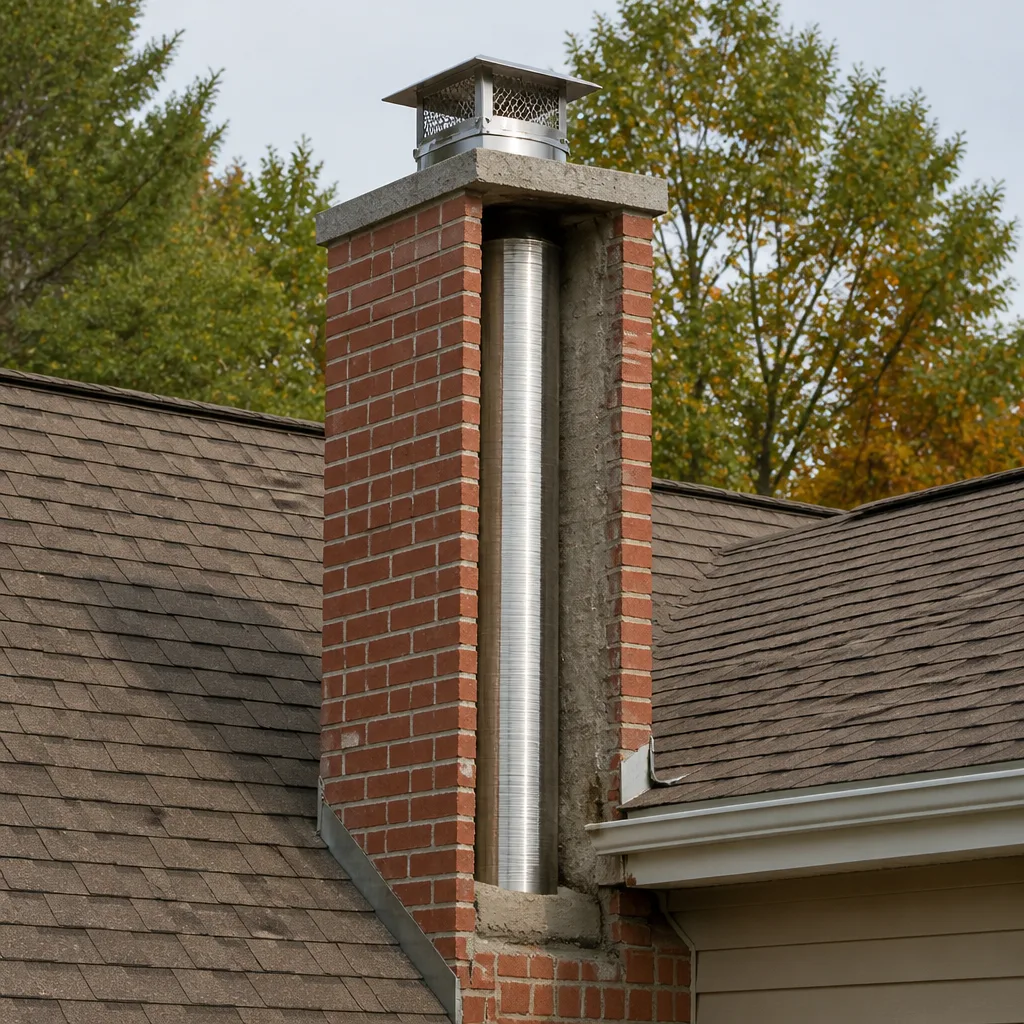 Flue relining
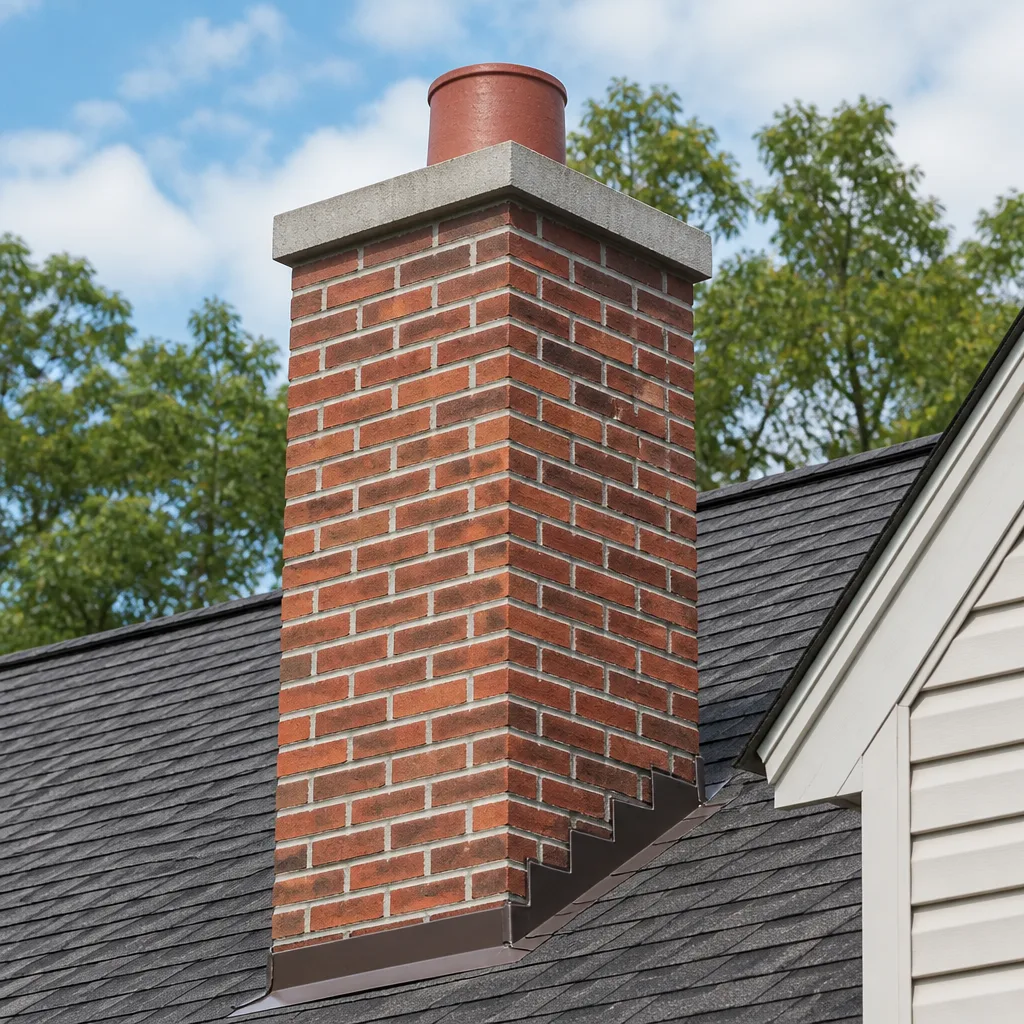 Masonry repair
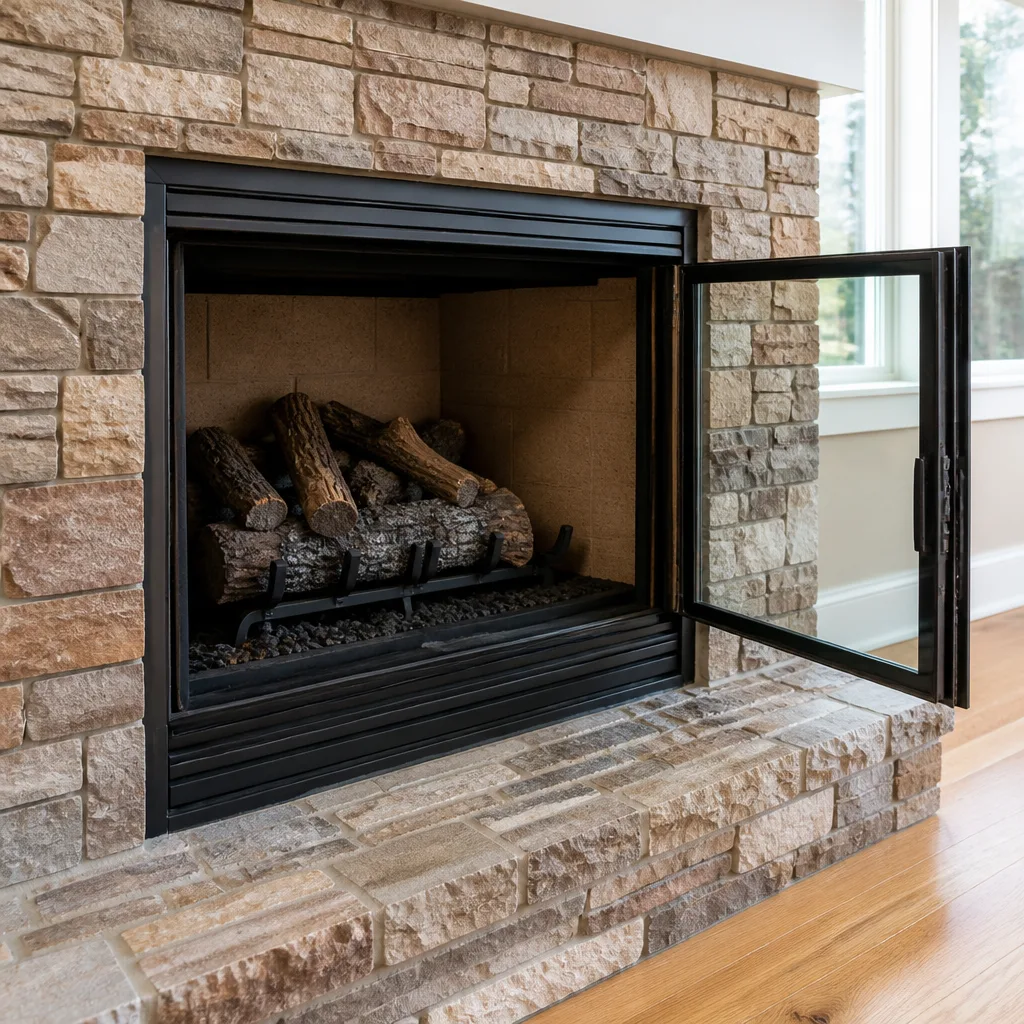 Gas fireplace service
Level 1 sweep and inspection to the NFPA 211 annual standard - flue, crown, cap, and flashing checked and photographed
Chimney sweep logs do not sweep chimneys. They loosen some creosote - which then falls where a brush and vacuum still have to collect it.
Chimney Sweep Maintenance Schedule: What to Do and When
The “once a year” rule that gets repeated everywhere was written for average use. If you burn 50 or more fires in a Herriman winter, you’re not an average household, and a single autumn sweep may not carry you through. We’ve seen flues load up on creosote well before the next scheduled visit, and we’ve seen chimneys sit all summer with a cracked crown quietly soaking up rain. This guide breaks chimney care into tasks tied to how you actually burn, from the cords you use to the freeze-thaw cycle that works on your masonry every spring. You’ll learn what to check monthly, when to add a mid-season sweep, and what you can safely leave until spring.
Quick Answer
Most wood-burning chimneys need sweeping once per season of regular use, but heavy burners (three or more cords, or 50+ fires) should plan a mid-season check. Sweep in late summer or early fall before the burning season, inspect after the first cold snap and again in spring, and handle cap and crown repairs before winter weather locks in. For a full home inspection at purchase or sale, book a standalone inspection regardless of sweep timing.
Styles & brands we work with
- Sweep & inspection
- Caps & crowns
- Flue relining
- Masonry repair
- Gas fireplace service
Table of Contents
- Why an Annual Sweep Is a Minimum, Not a Plan
- How to Calculate Your Real Sweep Frequency
- Pre-Season Checklist: Late Summer in Herriman
- Monthly Checks During Burning Season
- When to Add a Mid-Season Sweep
- Post-Season Tasks: What to Do in Spring
- What a Specialist Checks That You Can’t
- The Full-Year Schedule at a Glance
Why an Annual Sweep Is a Minimum, Not a Plan
The once-a-year recommendation comes from fire codes and trade standards written around “average” residential use. Average, in practice, means a few fires a week through the coldest months, not the coziness of a Herriman home where the fireplace runs nearly every evening from November to March. If your burn pattern doesn’t match the average, your sweep schedule shouldn’t either.
Chimney maintenance has two failure modes, and each runs on a different clock. The first is creosote, a tar-like residue that builds in the flue as smoke cools. Creosote comes in stages – a light soot you can brush away easily, a crusty glaze that needs more work, and a hardened glaze that’s genuinely difficult to remove and carries the highest fire risk. The thicker it gets, the more dangerous and the more expensive. Sweeping early keeps you in the low stages.
The second failure mode isn’t about fire at all. It’s moisture. Here in the Salt Lake Valley, the ground freezes and thaws repeatedly across a Herriman winter, and masonry that gets wet then freezes will spall – flakes and chunks of brick face break off. A cap that’s missing or a crown with a hairline crack lets water in all summer while the chimney sits unused, and by the time you notice, the damage is already deep in the brickwork.
So the calendar convention (sweep every fall) is half a plan. The other half is a seasonal rhythm: inspect before you burn, watch during the season, and repair before the weather turns. What follows is a schedule built around that rhythm.
How to Calculate Your Real Sweep Frequency
Forget the calendar for a moment and think in cords. A cord is a stacked pile of firewood measuring 4 by 4 by 8 feet. Most Herriman homes burn between one and three cords per season, and that number is a much better guide to sweep frequency than any month on a wall.
- Under half a cord, occasional fires: an annual sweep before the season is usually enough.
- One to two cords, regular evening burning: annual sweep, with an inspection mid-season to confirm buildup isn’t accelerating.
- Two to three cords, near-daily burning: plan a mid-season sweep around the halfway point of your burning season.
- Three or more cords, or a wood stove run continuously: two sweeps per season, one early and one late, with a check at the midpoint.
Wood quality matters as much as volume. Seasoned hardwood burned hot and clean leaves less creosote than green or unseasoned wood, which hisses and smolders and dumps tar into the flue. Burning fires hot and fast, rather than slow and smoldering overnight, also reduces buildup. If you’re burning unseasoned wood, treat your flue as a higher-risk case and sweep earlier.
One practical rule that’s often repeated: if you can see more than a thin, papery layer of soot or any glazed deposit on the flue walls, sweep. But you can’t see the flue from the hearth, which is exactly why the professional inspection – a camera run down the flue and a photo record of what’s there – matters so much. Nothing gets recommended without evidence you can look at for yourself.
Pre-Season Checklist: Late Summer in Herriman
The best window for your main sweep is late summer into early fall, before the first cold snap has you lighting fires. Book it early – schedules fill as the leaves turn. Here’s what a pre-season routine looks like, whether you’re scheduling a professional sweep or walking the exterior yourself first.
- Schedule the sweep and inspection. Book a chimney sweep and inspection for late summer or early autumn, before heavy demand.
- Walk the exterior. From the ground, check the cap, the crown, the mortar joints, and the brick face. Spalling – a rough, flaky, crumbling texture on the brick surface – is the signature of a freeze-thaw winter followed by a wet summer. It’s the thing to look for closely in Herriman after a hard winter.
- Check the cap. A missing, rusted, or loose cap invites birds, squirrels, and rain. Gelco and Olympia Chimney caps are the professional-grade units we install, and they’re built to shed our snow loads and stay put through wind.
- Clear the firebox and throat. Remove ash, check the damper opens and closes smoothly, and confirm the flue isn’t cracked or blocked.
- Confirm your smoke and carbon monoxide detectors work. A working CO alarm is part of your chimney plan, not a separate item.
- Hydrate and cure your wood. Get next season’s wood stacked, covered on top, and off the ground so it’s ready to burn clean.
The pre-season inspection is the point at which problems get caught cheap. A hairline crown crack found in September is a small repair. The same crack found in December, after a freeze has widened it and water has worked into the masonry, is a bigger job. We inspect before we recommend – no upsell guesswork.
Monthly Checks During Burning Season
Once the fires are burning, your job is observation. You’re not cleaning the flue yourself – that’s not something to do from the hearth and it’s not something to do on the roof. You’re watching for changes that tell you it’s time to call.
- Visual firebox check. Look at the firebox walls and the damper for new cracks, gaps, or crumbling refractory material.
- Log smoke behavior. Note whether smoke rolls back into the room when you light a fire, whether the draft feels weak or strong, and whether the fire struggles to catch.
- Cap inspection from the ground. A monthly glance at the cap confirms it’s intact, clear of snow and debris, and not nesting anything it shouldn’t.
- Listen for creosote crackling. A low roaring or crackling in the flue that isn’t the fire itself is worth immediate attention.
- Watch your detector. A carbon monoxide detector that chirps or triggers is a stop-burning sign. Get out and call a professional.
Draft problems are worth watching closely. A chimney that used to draw well but now smokes into the room may have a partial blockage, a cap that’s been damaged by wind, or a flue that’s filling up. In our experience around Herriman, a sudden change in draft usually traces back to something the sweep and inspection will find. That’s information you want, not a reason to worry.
Keep a simple log: date, how many fires that week, how the draft felt, any smoke back-draft. It sounds trivial, but it gives the sweep technician a genuine picture of how your chimney is behaving between visits.
When to Add a Mid-Season Sweep
Here’s where usage-based scheduling pays off. For a household burning two or more cords, adding a mid-season sweep is about cost, not just caution. The math is simple. Removing stage-1 and stage-2 creosote is straightforward when you catch it early – a standard sweep, done while the deposits are still soft. Once glazed stage-3 creosote has hardened onto the flue walls, removal gets more involved and often requires specialized treatment. The cost of an extra sweep mid-season is far less than the cost of tackling a glazed, hardened flue later, and far, far less than dealing with the consequences of a chimney fire.
Add a mid-season sweep if any of these apply:
- You’ve burned through roughly half your season’s wood.
- You’ve noticed a drop in draft or smoke behavior changes.
- You’re burning a wood stove continuously.
- Your wood has been damp or only partly seasoned.
- Your fall inspection flagged heavy buildup and the sweep recommended a check mid-season.
If your fall inspection and sweep came back clean and you burn lightly, the mid-season sweep is usually unnecessary. The right approach is usage-based, not calendar-based – and a specialist will tell you plainly when a mid-season sweep is a waste of money and can wait.
Post-Season Tasks: What to Do in Spring
When your last fire of the season is behind you, the chimney’s real enemy arrives: months of unused, standing moisture. Spring tasks are about keeping water out and setting yourself up for a clean fall.
- Close the damper. A closed damper keeps warm air from escaping in summer and stops animals and debris from entering.
- Inspect the cap and crown again. Spring is the best time to spot a crack or a loose cap before summer rain sits in the masonry. Gelco and Famco caps are the kind we’d install – professional-grade, built to hold up.
- Repair crowns and caps now. A crown repair in spring is cheaper and easier than one attempted in the middle of a snowy stretch. If your flue walls are showing surface damage, HeatShield resurfacing is a way to restore them without a full reline in many cases – a job most basic sweep companies can’t do.
- Check for spalling and seal where appropriate. After a freeze-thaw Herriman winter, walk the exterior and look again at the brick face. Any fresh spalling indicates moisture getting in somewhere; find the source.
- Store your firewood correctly. Covered on top, open to airflow, off the ground, and stacked well away from the house.
- Book your fall sweep early. Spring is the natural time to schedule the pre-season sweep for autumn – you’ll get a better choice of dates.
If you’re selling your Herriman home, spring is also the moment to book a standalone chimney inspection for the buyer. Our inspection is a named service, not an afterthought bolted onto a sweep – because a real inspection tells you what you’re buying and what you’re selling.
What a Specialist Checks That You Can’t
Some things you can check from the hearth. Others need a professional with the right tools and a trained eye. Here’s the difference, and why the inspection matters.
- Flue interior. A camera run down the flue shows cracks, gaps, missing mortar, and creosote stage. You get a photo record of what’s there.
- Creosote stage. Stage-1 soot, stage-2 crust, and stage-3 glaze require different treatment. Guessing at stage means guessing at treatment.
- Liner condition. A cracked or deteriorated liner is a fire and carbon monoxide path. DuraFlex flexible liner systems are among the professional-grade options we install – a full reline is one of the highest-skill jobs a chimney specialist can do.
- Crown and cap integrity. Hairline crown cracks and loose caps are hard to see from the ground and easy to miss until they fail.
- Structural and masonry soundness. The kind of damage summer moisture and winter freeze-thaw cause to mortar and brick over a Herriman year is often invisible until it’s costly.
The whole point of a camera inspection is that you can see what we see. Nothing gets recommended without evidence – photo and video included – and we’ll tell you plainly when a repair can safely wait a season. That’s the antidote to the “your whole chimney needs rebuilding” call the homeowner can’t verify.
The Full-Year Schedule at a Glance
Here’s the whole plan on one page, from the seasonal rhythm to the usage-based sweep timing. Print it, stick it on the fridge, and use it to plan your season.
- Late summer / early fall: main sweep, full inspection, exterior walk, cap and crown check. Book before the schedule fills.
- First cold snap: confirm draft and smoke behavior, check detectors, and log your first fires.
- Monthly through the season: visual firebox check, cap glance from the ground, draft and smoke log.
- Mid-season (if burning two or more cords): mid-season sweep to get ahead of stage-2 buildup.
- Spring: post-season inspection, crown and cap repairs, spalling check, close damper, store wood properly.
- Ongoing: burn seasoned wood, keep fires hot, watch for draft changes.
The single biggest change most Herriman homeowners can make is this: think in cords and snow cycles, not months. An annual sweep is the floor. A usage-based plan with a mid-season check and a spring repair window is what actually keeps a chimney safe and structurally sound.
Common Mistakes to Avoid
- Sweeping by the calendar only. A “once a year” schedule works for light use, not for a two-cord household burning most evenings. Count your cords and adjust.
- Skipping the spring walk-around. After a Herriman freeze-thaw winter, a missed crown crack or spalling brick means summer moisture finding its way into masonry that will have to be repaired later at greater cost.
- Ignoring a draft change because the fire still lights. A chimney that draws poorly but still lights is still a chimney with a possible blockage or a failing cap. Have it looked at.
- Burning green or unseasoned wood. Unseasoned wood smolders low and dumps tar into the flue, accelerating creosote buildup. Season your wood and store it covered on top and off the ground.
- Putting off cap and crown repairs until winter. These are weatherproofing items. Do them in spring or late summer, before the snow makes the roof a job to avoid.
- Letting a sweep-only company hand off the repair. If a sweep finds a cracked crown and doesn’t fix crowns, you’re back to finding a second contractor. A dedicated specialist covers sweep, inspection, repair, reline, and cap and crown.
- Assuming a clean sweep means a clean chimney. Sweeping removes soot; it doesn’t diagnose cracks in the flue, a failing liner, or structural masonry damage. That’s the inspection’s job.
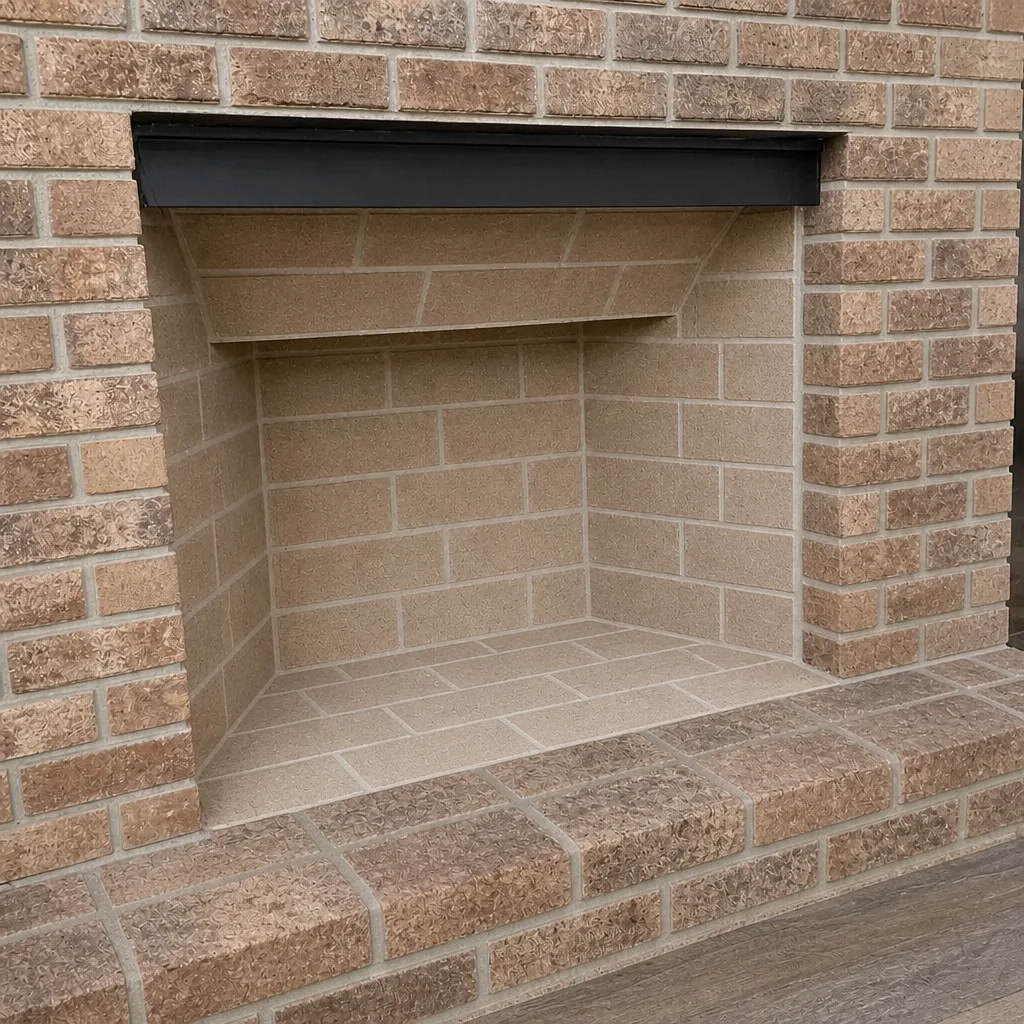
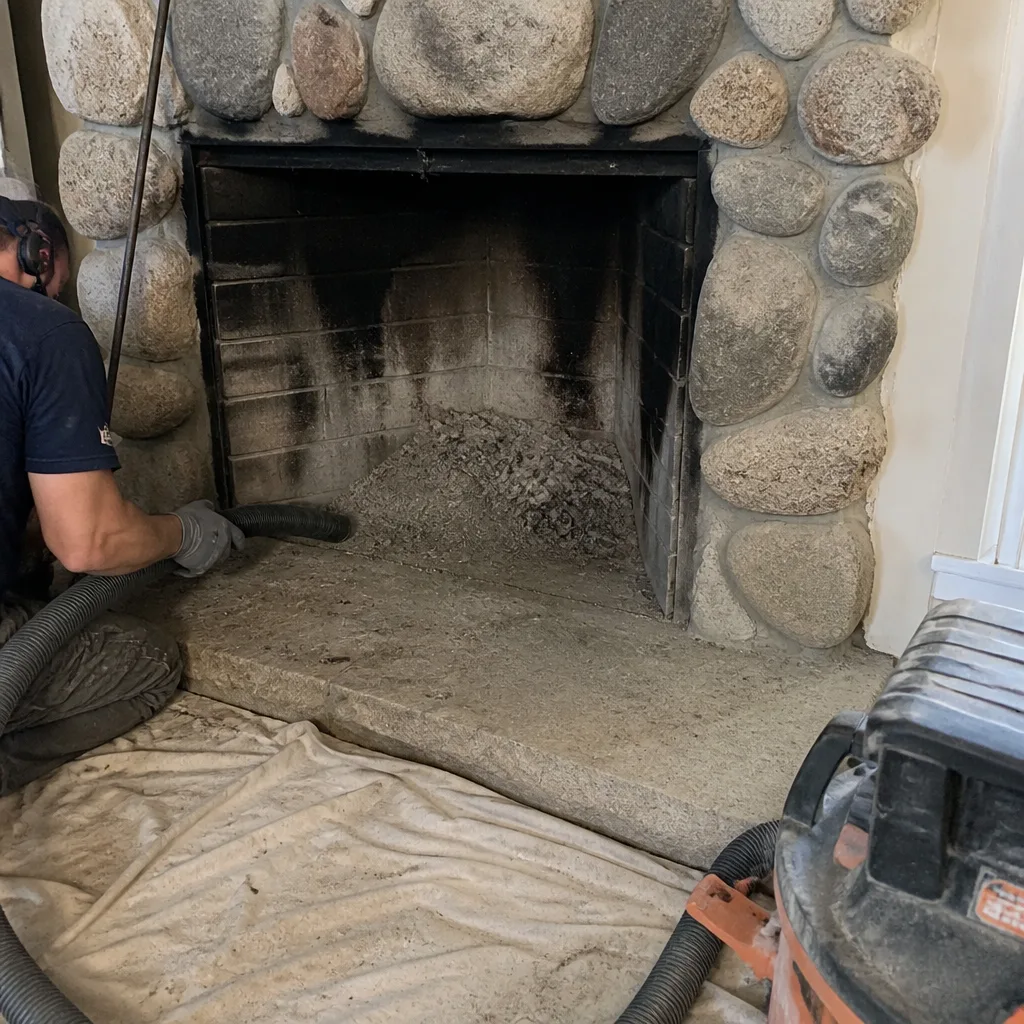
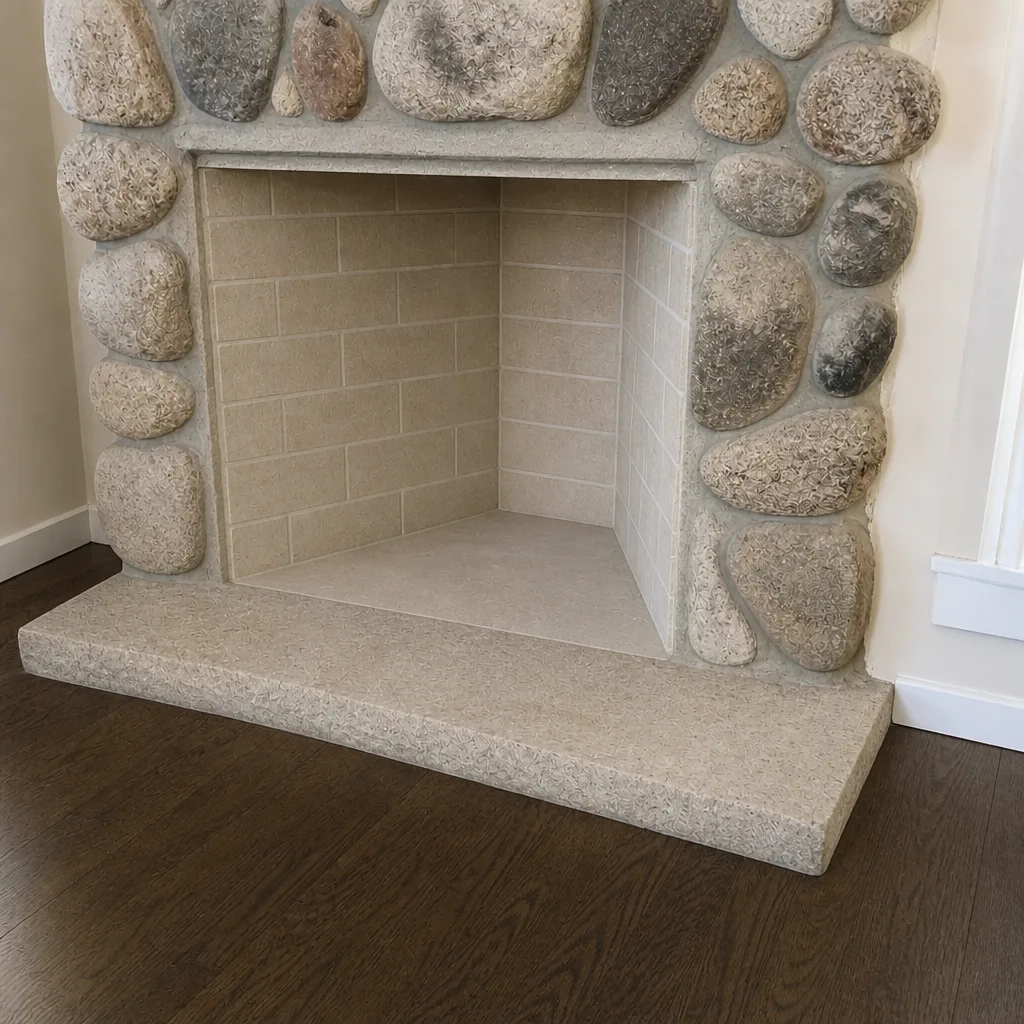
See the difference
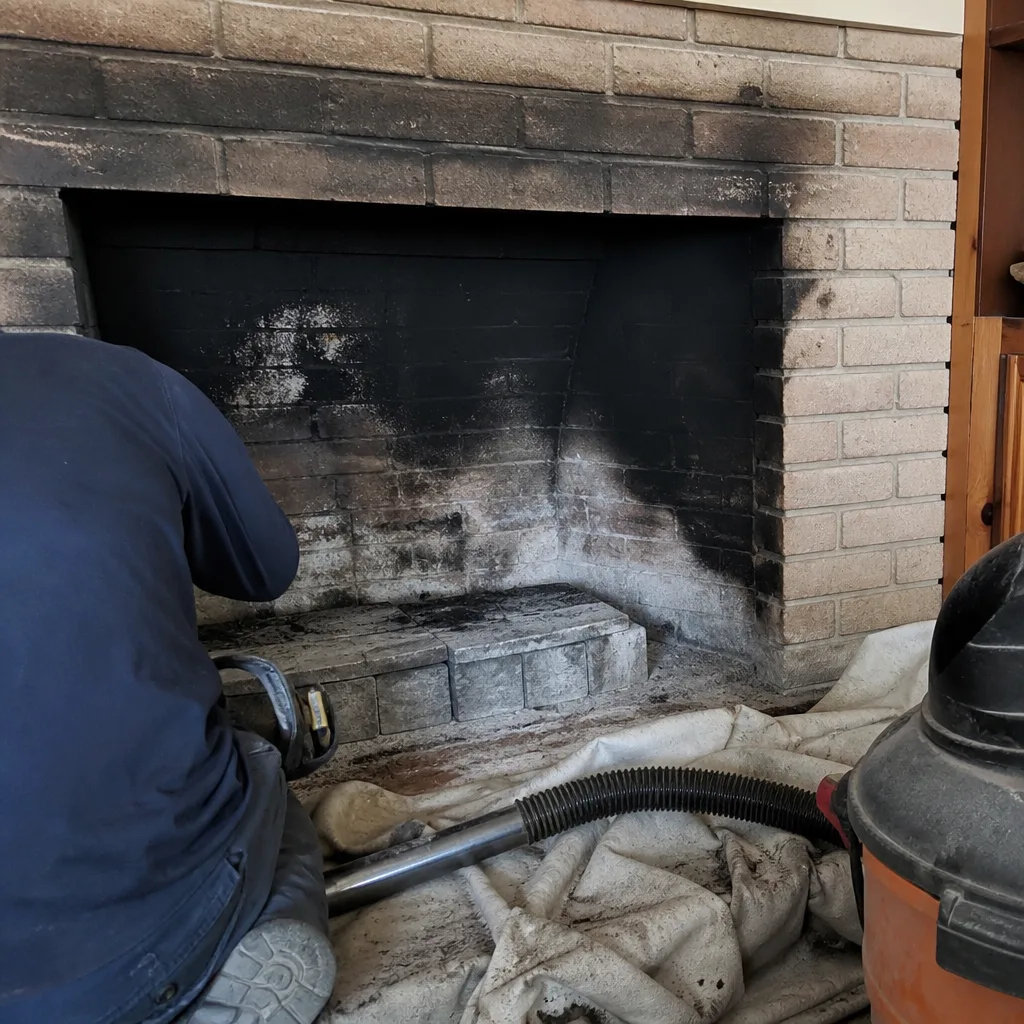 Before
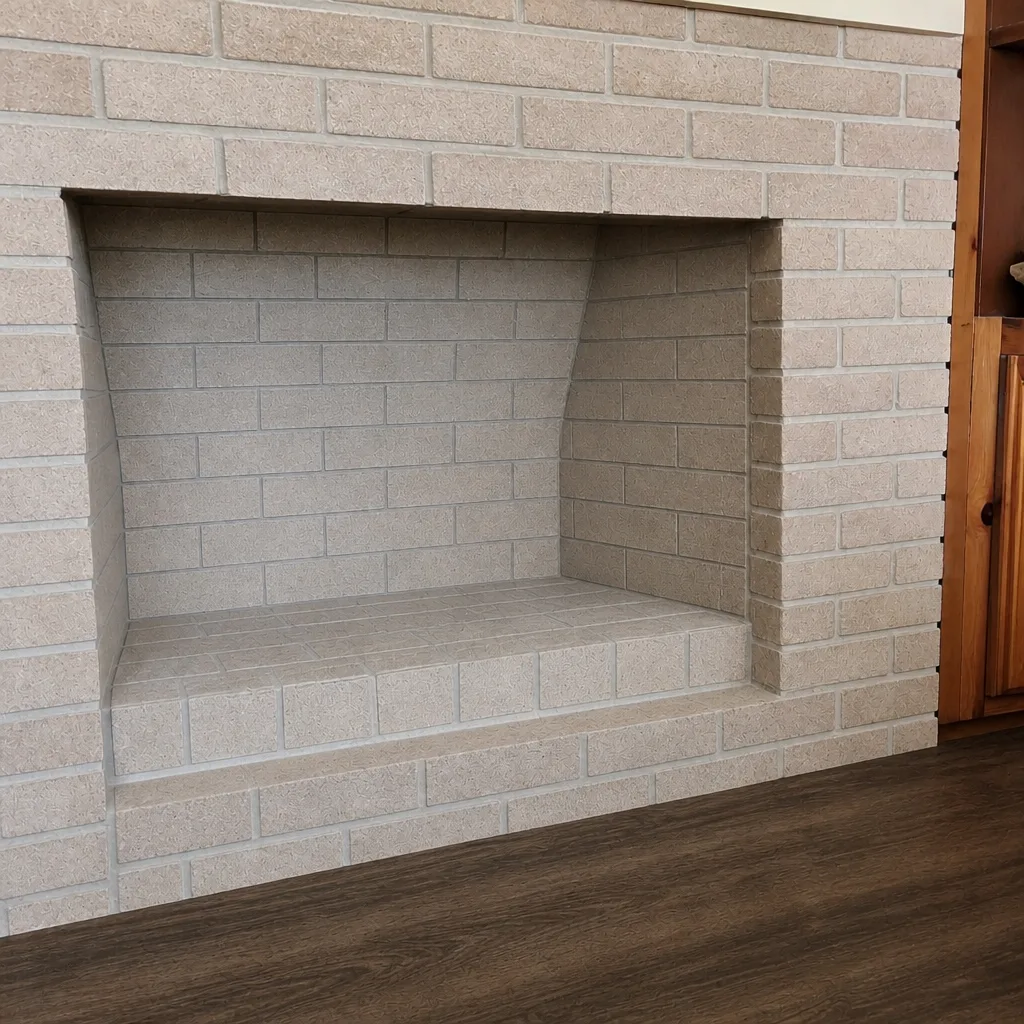 After
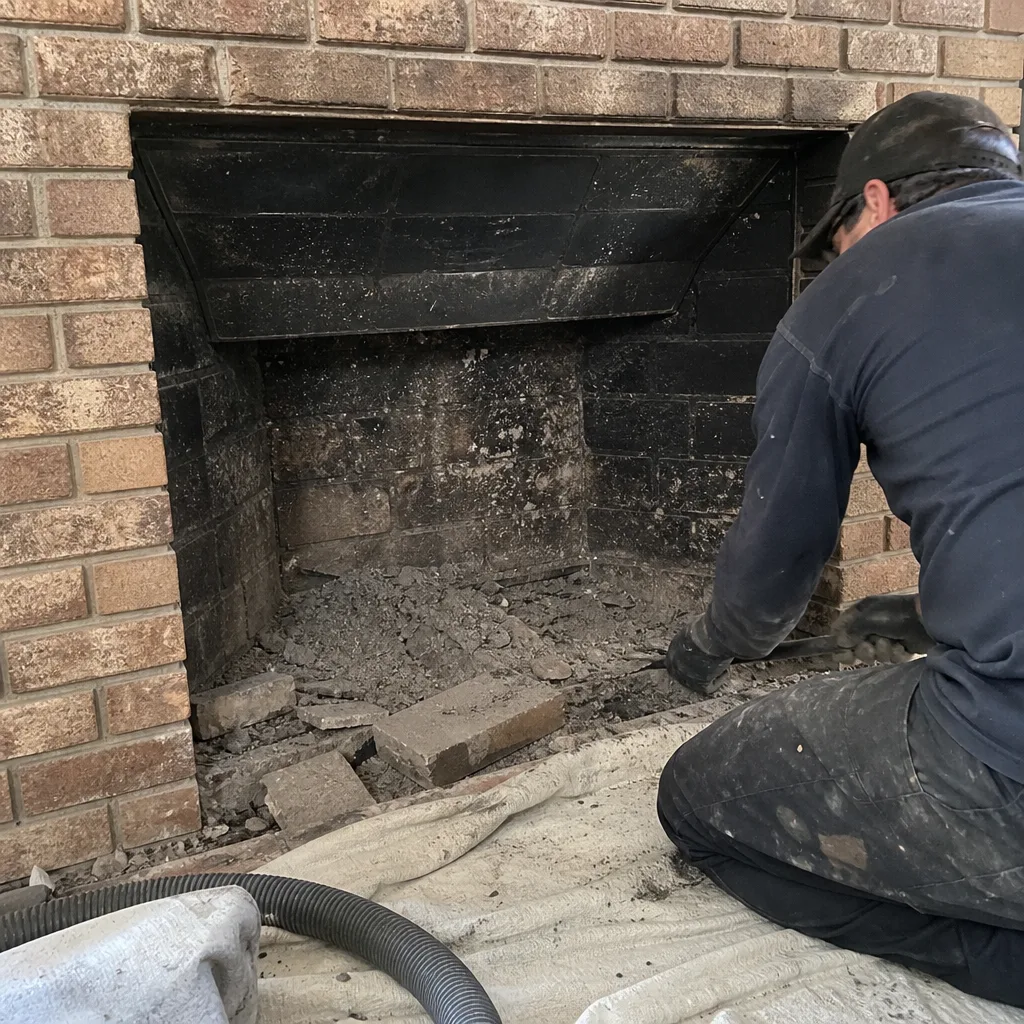 Before
 After
 Before
 After
When to Call a Professional
Some jobs belong on your monthly checklist. Others belong to a specialist, and every one of these is a call-a-professional moment: any chimney fire, however small, even if it went out on its own; smoke rolling into the room when the fire is drawing; a carbon monoxide detector that triggers; a flue or firebox with visible cracks, crumbling refractory, or gaps in the mortar; a cap that’s loose, damaged, or missing after a windstorm; spalling or crumbling brick on the exterior; and a home sale or purchase, where a standalone inspection tells buyer and seller exactly what they have.
We’re a chimney specialist, not a generalist – five services under one roof (sweep, inspection, fireplace repair, chimney repair, cap and crown), all with professional-grade materials. If a previous company found a problem but didn’t solve it, that’s exactly the call we’re built for. Chimney repair and fireplace repair are both handled in-house. Chimney Sweep Herriman offers free estimates in Herriman – call (833) 508-9248. We answer 24/7. Fast dispatch from 7am to 7pm, Sunday through Friday.
Frequently Asked Questions
Sweep once per season of regular use, with a mid-season sweep if you burn two or more cords – heavy Herriman burners often need two sweeps per season. Sweeping before the season starts and checking again mid-season is more effective than a single annual visit. Call (833) 508-9248 for an exact quote – estimates are free.
A standard chimney sweep is typically a modest, per-job cost, and the written estimate sets the final price – the inspection and photo report are part of the visit. A mid-season sweep is far cheaper than dealing with glazed, hardened creosote later. Call (833) 508-9248 for an exact quote – estimates are free.
Only if a camera inspection shows a cracked, deteriorated, or unsafe flue – nothing is recommended without camera evidence you can see for yourself. When a liner is needed, DuraFlex flexible liner systems are among the professional-grade options we install. If it can safely wait, we’ll tell you. Call (833) 508-9248 for an exact quote – estimates are free.
Creosote builds up beyond the light soot stage, and stage-2 and stage-3 deposits raise chimney fire risk and become much harder to remove – and in Herriman, a missed spring check lets summer moisture work on crown cracks and spalling brick. Skipping isn’t a one-season issue; it compounds. Call (833) 508-9248 for an exact quote – estimates are free.
You can do the monthly visual and smoke-behavior checks yourself, but the actual sweep, and any flue work, is a job for a trained specialist with the right tools and a camera to see the whole flue. Roof and flue access carries real fall and exposure risk. Call (833) 508-9248 for an exact quote – estimates are free.
Inspect once a season – the pre-season inspection in late summer catches problems before you burn, and the spring inspection catches freeze-thaw damage and moisture intrusion. A standalone inspection is also the right call at a home sale or purchase, regardless of sweep timing. Call (833) 508-9248 for an exact quote – estimates are free.
The Bottom Line
An annual sweep is a starting point, not a maintenance plan. The Herriman schedule that actually works is built on three rhythms: sweep and inspect before the burning season, watch and log during it, and repair crowns, caps, and masonry before a freeze-thaw winter works on them again. Count your cords, not your calendar. Add a mid-season sweep if you burn heavily, and use the spring window to fix the small things before they become big ones. If you want one specialist to handle sweep, inspection, repair, reline, and cap and crown, call Chimney Sweep Herriman at (833) 508-9248. We answer 24/7. Fast dispatch from 7am to 7pm, Sunday through Friday.
Written by the team at Chimney Sweep Herriman.