
Last updated November 24, 2026
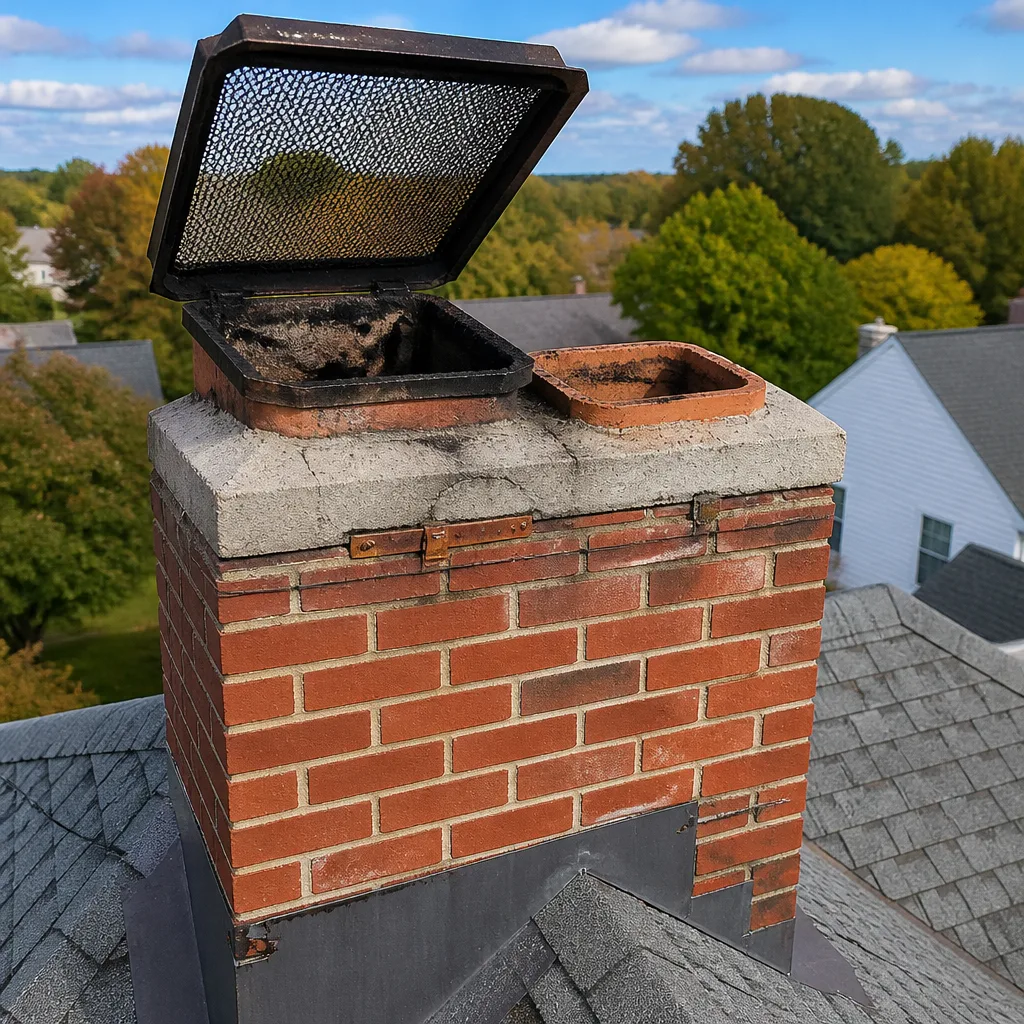 Sweep & inspection
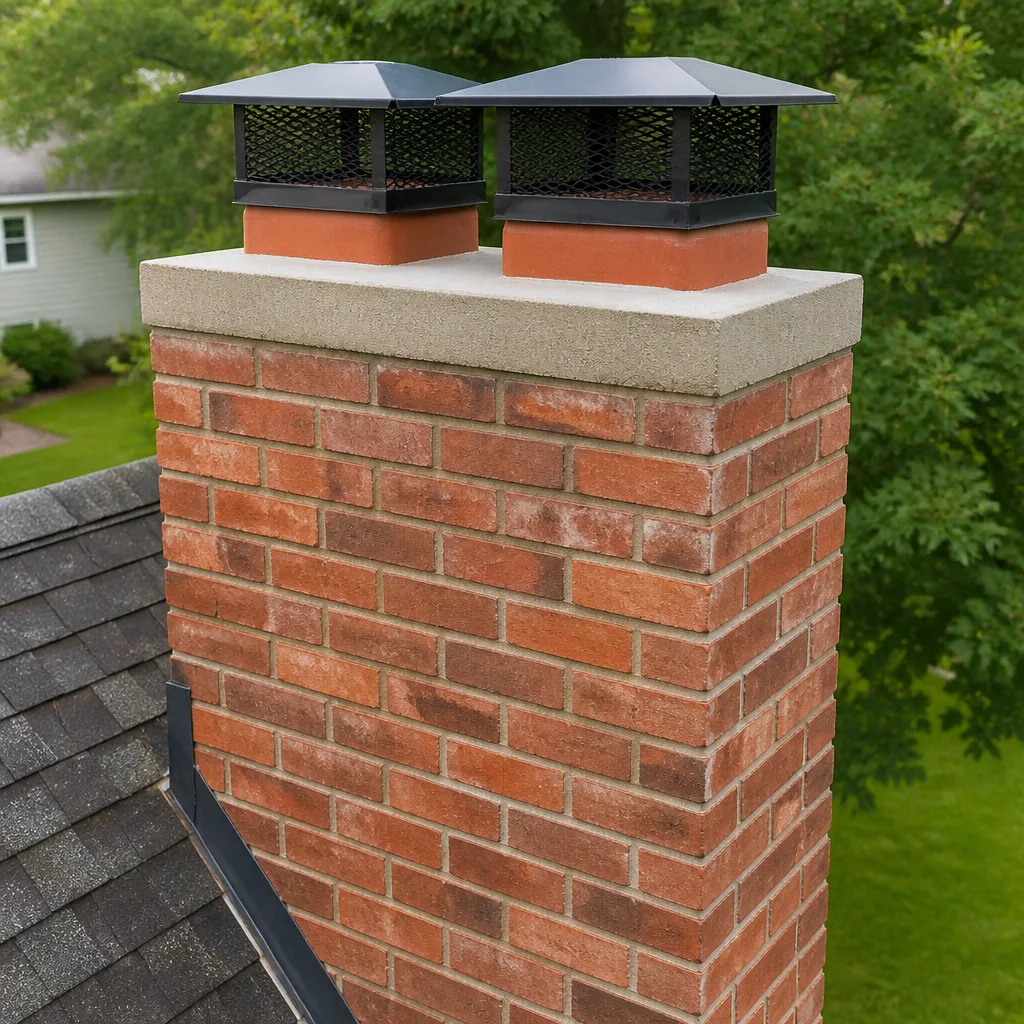 Caps & crowns
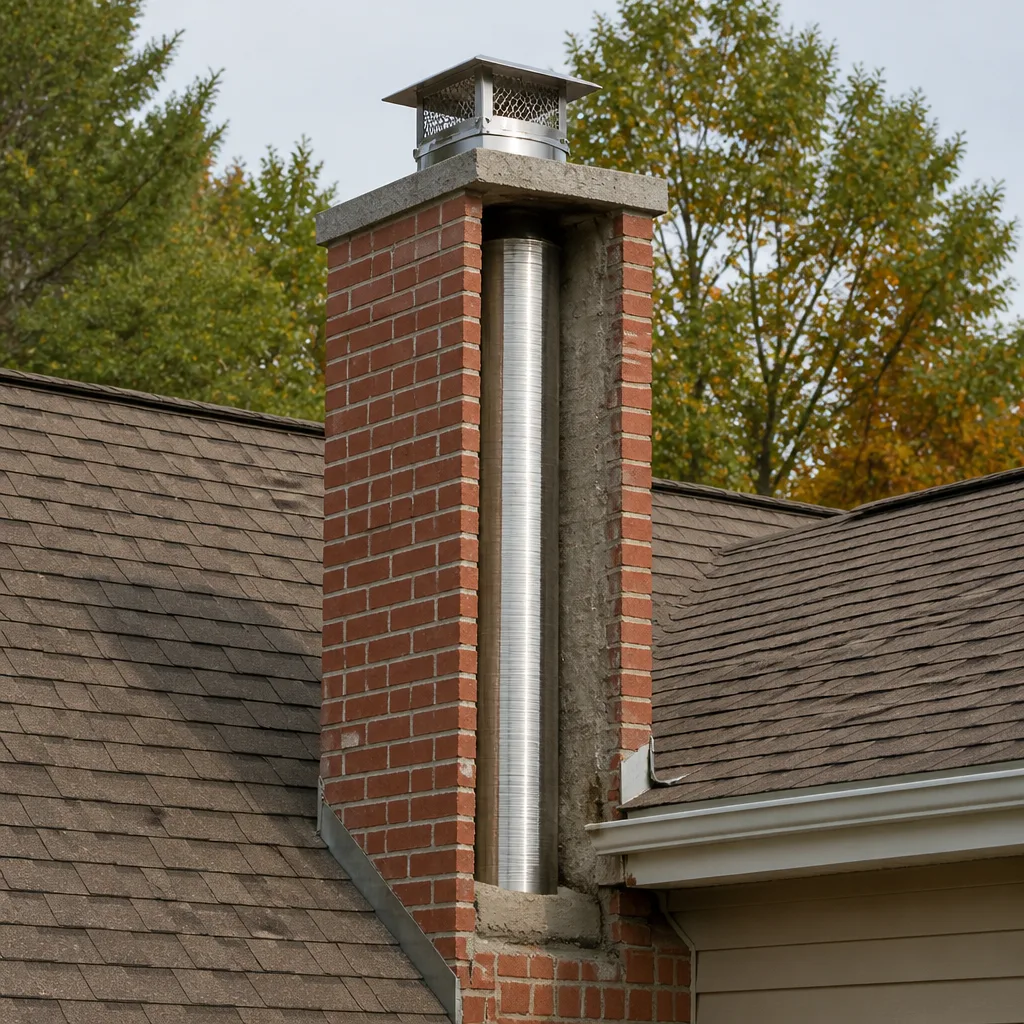 Flue relining
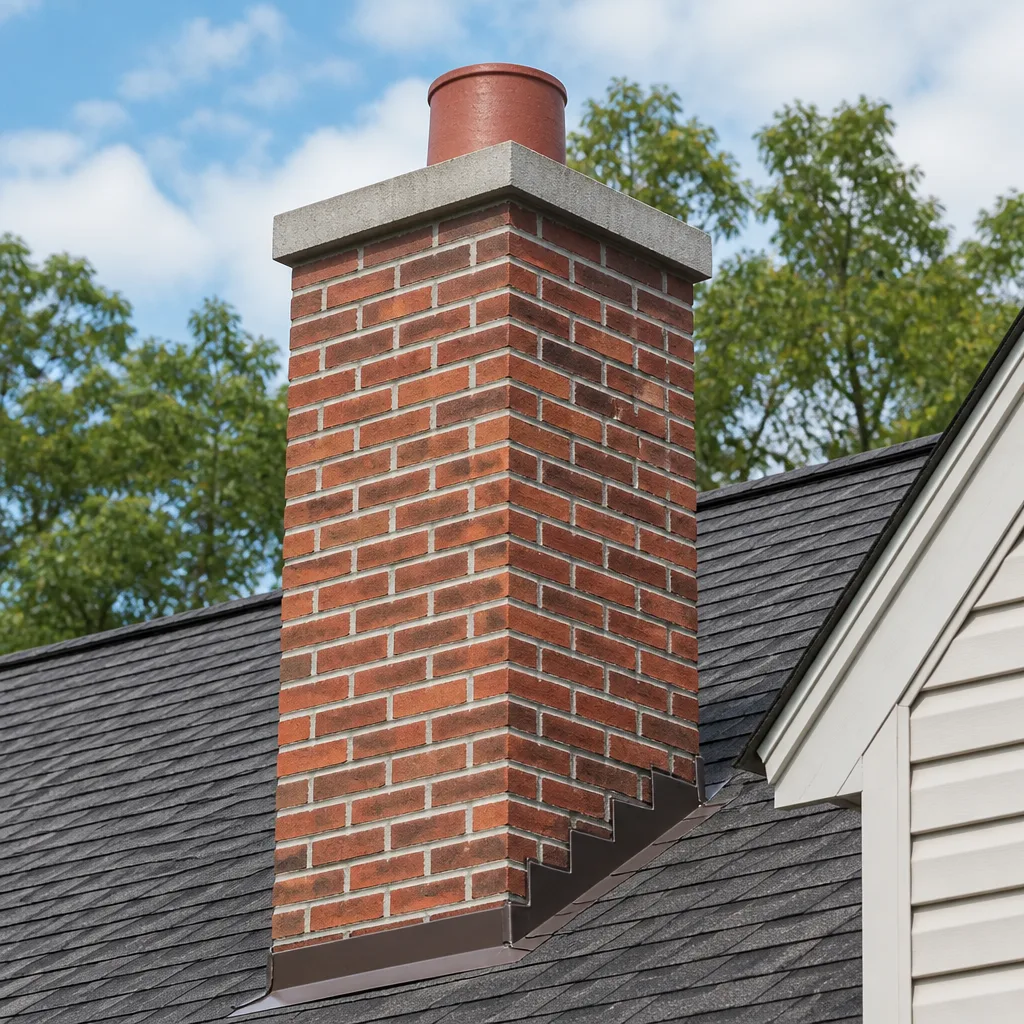 Masonry repair
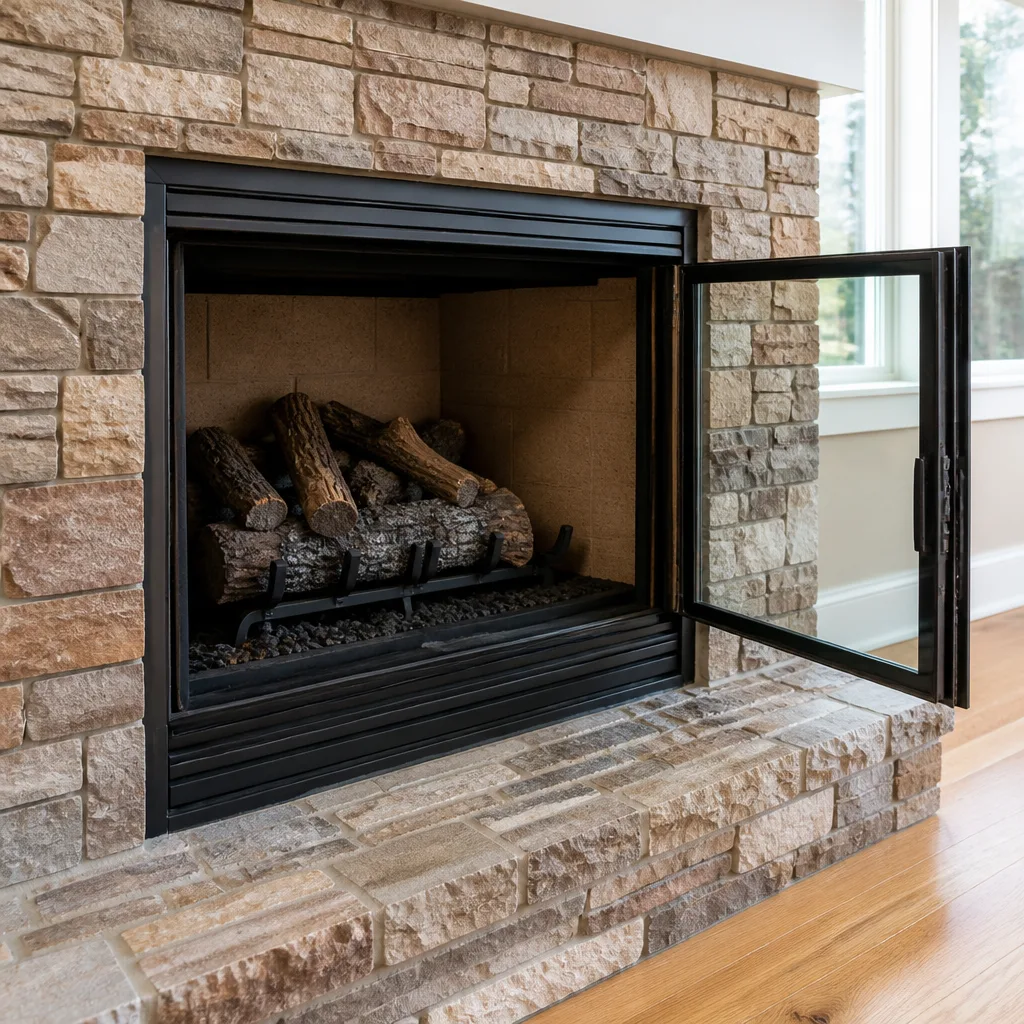 Gas fireplace service
Level 1 sweep and inspection to the NFPA 211 annual standard - flue, crown, cap, and flashing checked and photographed
Chimney sweep logs do not sweep chimneys. They loosen some creosote - which then falls where a brush and vacuum still have to collect it.
The Complete Guide to Chimney Cleaning in Herriman
Most chimney fires don’t start because a homeowner was careless. They start because a sweep missed Stage 2 creosote that looked like ordinary buildup to an untrained eye. That’s the uncomfortable truth about chimney cleaning in Herriman: the cleaning itself is simple, but knowing what you’re looking at is not. A brush down the flue and a receipt at the door tells you almost nothing about whether the glaze on your liner passed inspection or was quietly ignored.
This guide covers what a proper sweep actually involves in Herriman, how our elevation and inversion seasons change creosote formation compared to lower-elevation Utah cities, why a wood stove burning as secondary heat needs more attention than a decorative fireplace, and what documentation you should expect when the job is done. You’ll learn how to tell a real cleaning from a quick brushing, and when to ask for something more.
Quick Answer
Chimney cleaning in Herriman means removing creosote, soot, and blockages from the flue and then inspecting the liner, cap, and crown for damage. A proper sweep happens at least once a season for fireplaces, and more often for wood stoves used as secondary heat through Herriman’s long winters. The job isn’t done until you have a written report showing what was found and what condition the flue is in.
Styles & brands we work with
- Sweep & inspection
- Caps & crowns
- Flue relining
- Masonry repair
- Gas fireplace service
Table of Contents
- How Herriman’s Elevation and Inversions Affect Your Chimney
- The Three Stages of Creosote and Why Brushing Isn’t Always Enough
- What a Level 1 Inspection Covers and What It Misses
- Why High-Use Wood Stoves Need More Than One Sweep a Season
- The Difference Between a Cleaning and a Cleaning Receipt
- What a Proper Chimney Sweep Looks Like, Step by Step
- When Cleaning Turns Into Repair: Caps, Crowns, and Liners
- Common Mistakes to Avoid
How Herriman’s Elevation and Inversions Affect Your Chimney
Herriman sits at roughly 4,900 feet above sea level. That matters for your chimney in ways most general guides never mention. At that elevation, air is thinner, and thin air changes how a flue drafts. Combustion needs oxygen, and at 4,900 feet there’s less of it packed into every cubic foot of air moving through your firebox. A chimney that drafts perfectly at sea level can be sluggish here, especially on a cold morning when the flue is still warming up.
Draft is the engine of your chimney. It pulls smoke and combustion gases up and out. When draft is weak, smoke lingers in the firebox longer, and that slow-moving smoke cools as it rises. Cooler smoke deposits more creosote on the liner walls. This is the part homeowners don’t connect: a poorly drafting chimney in Herriman builds up creosote faster than the same stove would at a lower elevation, not because anything is wrong with the stove, but because the physics are different.
Then there are the inversion seasons. Herriman, like the rest of the Salt Lake Valley and the surrounding benches, gets cold-air inversions where a layer of warmer air traps colder air and pollutants near the ground. During an inversion, the outside air pressure and temperature profile can flatten the pressure differential a chimney relies on. A fire that drafts fine on a windy day can smoke back into the room during a still inversion. Homeowners often blame the wood or the stove. Usually it’s the flue and the conditions.
What this means practically:
- Warmer flue temperatures matter more here. A cold flue is a slow flue. Warming the flue before a full fire helps draft on cold Herriman mornings.
- Creosote accumulates faster when draft is sluggish, so visual checks between professional sweeps are worth doing.
- Homes on the higher benches and ridges can draft differently than homes in the lower valley pockets. A sweep who works in Herriman regularly understands this.
- Inversion days are the worst time to test a marginal chimney. If your fireplace smokes back only on still, cold days, that’s a draft problem worth investigating, not a habit to work around.
None of this is an argument for a special product or a gadget. It’s an argument for understanding that chimney conditions in Herriman aren’t identical to conditions in St. George or even in Salt Lake City proper. Elevation and air patterns are local. Your cleaning schedule should reflect that.
The Three Stages of Creosote and Why Brushing Isn’t Always Enough
Creosote is the residue left behind when wood smoke cools on the inside of your flue. It’s the primary fuel source in a chimney fire, and it comes in three forms that behave very differently. Most homeowners have never had these explained, and that’s where a lot of preventable risk lives.
Stage 1: Soot and Flaky Creosote
This is the light, powdery, flaky stuff. It brushes off easily and is what most people picture when they think about chimney cleaning. A standard sweep with the right brush handles Stage 1 completely. If your flue only has Stage 1 buildup, you’re in good shape after a cleaning.
Stage 2: Hard, Glazed Creosote
Stage 2 is where things get serious. It forms when smoke cools slowly and deposits a denser, harder layer. It looks shiny or crusty, and it does not brush off with a standard chimney brush. A sweep who only brushes will leave Stage 2 on the liner because the brush skates over it. And this is the layer that most often ignites first in a chimney fire. Removing Stage 2 requires rotary tools or chemical treatment designed to break it down, done by someone who knows how to use them without damaging the liner.
In our experience working in Herriman’s high-use wood-burning homes, Stage 2 is common. The combination of long heating seasons, frequent fires, and the elevation-related draft quirks described above means smoke lingers longer in the flue and glazes over more readily. A cleaning that doesn’t address it is an incomplete cleaning, full stop.
Stage 3: Puffy, Spongy, or Pourable Creosote
Stage 3 is the most dangerous and the least common. It’s thick, sometimes almost tar-like or even pourable, and it can coat the flue heavily. A flue with significant Stage 3 buildup may not be safely cleanable with standard methods and could need liner resurfacing or replacement. This is where HeatShield resurfacing comes in, or where a DuraFlex liner system may be the right answer. Those are structural repair decisions, not sweep decisions.
Why This Distinction Matters
When you hire a sweep, you’re not just paying for soot removal. You’re paying for someone who can identify what stage of creosote is present and treat it correctly. A brush-only cleaning that leaves Stage 2 glazing behind isn’t a shortcut; it’s an incomplete job that leaves the hazard in place. If you want to understand the sweep side of the work in more depth, look at what a full chimney sweep should involve.
What a Level 1 Inspection Covers and What It Misses
Chimney inspections are categorized by levels, and the level you get determines what’s actually checked. Most homeowners ask for a sweep and get a Level 1 inspection by default, which is fine for routine maintenance but not for every situation. Knowing the difference keeps you from paying for the wrong thing, or from missing a problem the inspection was never designed to find.
Level 1 Inspection
A Level 1 inspection covers the readily accessible portions of your chimney: the firebox, the damper, the visible parts of the flue, the cap, and the crown. It’s done during a routine sweep and is appropriate when the chimney has been in regular use, there’s no history of problems, and nothing has changed. It answers the question, “Is the visible chimney safe to use?”
Level 2 Inspection
A Level 2 inspection goes further. It’s required in certain situations and often recommended in others. It includes everything in a Level 1 plus a video scan of the flue interior, inspection of accessible attic, crawl space, and other areas the chimney passes through, and checks for proper clearances and connections. This is the inspection you want when:
- You’re buying or selling a home and need to know the true condition of the chimney.
- The chimney has been through a chimney fire, even one you didn’t fully realize happened.
- The appliance has changed, such as a new wood stove or insert.
- There’s been an earthquake, a building change, or a significant renovation near the chimney.
- You’ve noticed a persistent draft problem, unusual smells, or water intrusion.
Here’s the critical gap: a Level 1 inspection cannot see inside the entire flue. It relies on what’s visible. Stage 2 creosote deep in the flue, a cracked liner joint, or a hairline flaw in the masonry won’t necessarily show up. If a sweep offers you a “free inspection” that’s really just a glance up the firebox, you’ve learned something about the sweep.
When to Demand a Level 2
If you’re buying a home in Herriman, insist on it. If you’re selling, expect a buyer’s inspector to ask for it. If you’ve ever heard a roar or rumble from the chimney, had a strong creosote smell, or noticed smoke backing up on still days, request it. The video scan is the difference between a guess and a diagnosis. Our own chimney inspection is a named service for exactly this reason, not an add-on that appears once the sweep is already in your home.
Why High-Use Wood Stoves Need More Than One Sweep a Season
The old rule of thumb is “sweep once a year.” For a decorative fireplace used a few evenings a month, that’s reasonable. For a wood stove running as secondary heat through a Herriman winter, it’s not enough. Herriman winters are long, and many homes here rely on wood stoves or fireplace inserts to supplement heating through the coldest months. That changes the math.
Creosote accumulation depends on how much wood you burn, how you burn it, how dry the wood is, and how well the flue drafts. A stove used daily through a cold season produces far more creosote than an occasional fireplace. Add Herriman’s elevation-related draft behavior, where cooler smoke can deposit more residue, and the case for mid-season attention gets stronger.
A useful way to think about it:
- Occasional fireplace use: Usually one cleaning per season, plus a visual check of the flue during the season.
- Regular wood stove use as secondary heat: Two cleanings a season is often the right call, one early and one mid-season.
- Heavy, almost-primary wood heating: Talk to your sweep about a schedule based on the actual volume you’re burning and how clean the flue runs.
- Burning unseasoned or wet wood: More creosote, more often. Dry, well-seasoned wood burns cleaner.
One more Herriman-specific point: the shoulder seasons matter. A cold snap in early fall or late spring can push a stove back into service, and if a sweep was booked in late summer, the flue may be loaded again before the next scheduled cleaning. If your stove is doing real heating work, a mid-season check isn’t excessive. It’s proportional to use.
If your flue has been neglected and you’re worried about what’s inside, a professional chimney repair assessment can tell you whether cleaning alone will solve it or whether some structure needs addressing first.
The Difference Between a Cleaning and a Cleaning Receipt
A receipt proves someone was in your home. It doesn’t prove your chimney was cleaned, and it definitely doesn’t prove it was inspected for the problems that matter. The gap between those two things is where a lot of Herriman homeowners get caught: they pay for a sweep, get a slip of paper, and assume the critical work happened.
What a proper cleaning should produce:
- A clear before-and-after account. What was removed, roughly how much, and what condition the flue was in. Not just “cleaned.”
- An inspection result. Even a Level 1 inspection should produce a written note on the liner, the cap, the crown, and the firebox condition.
- Specific findings. If creosote was at Stage 2, that should be stated. If the cap is loose or the crown is cracked, that should be documented, not mentioned in passing and forgotten.
- Photos or a video where relevant. For a Level 2 scan, you should see the interior of the flue, not just hear about it. Evidence you can review changes the conversation from “trust me” to “here’s what’s going on.”
- A recommendation that makes sense. If repairs are suggested, they should come with the evidence behind them, and a plain explanation of what happens if you wait.
What a weak sweep produces: a slip that says “swept,” no inspection notes, a vague mention that you “might want to think about a liner,” and no evidence. That last part matters. If someone tells you the liner is failing but can’t show you the video or photo, you’re being asked to spend money on faith. You shouldn’t have to.
The difference between a cleaning and a cleaning receipt is the difference between a professional who inspects before recommending and one who guesses. That’s the standard worth holding any chimney specialist to.
What a Proper Chimney Sweep Looks Like, Step by Step
Every chimney and every home differs, but a thorough sweep follows a recognizable sequence. Knowing what to expect helps you judge whether the job was done properly, and it removes the mystery of what happens while the technician is working.
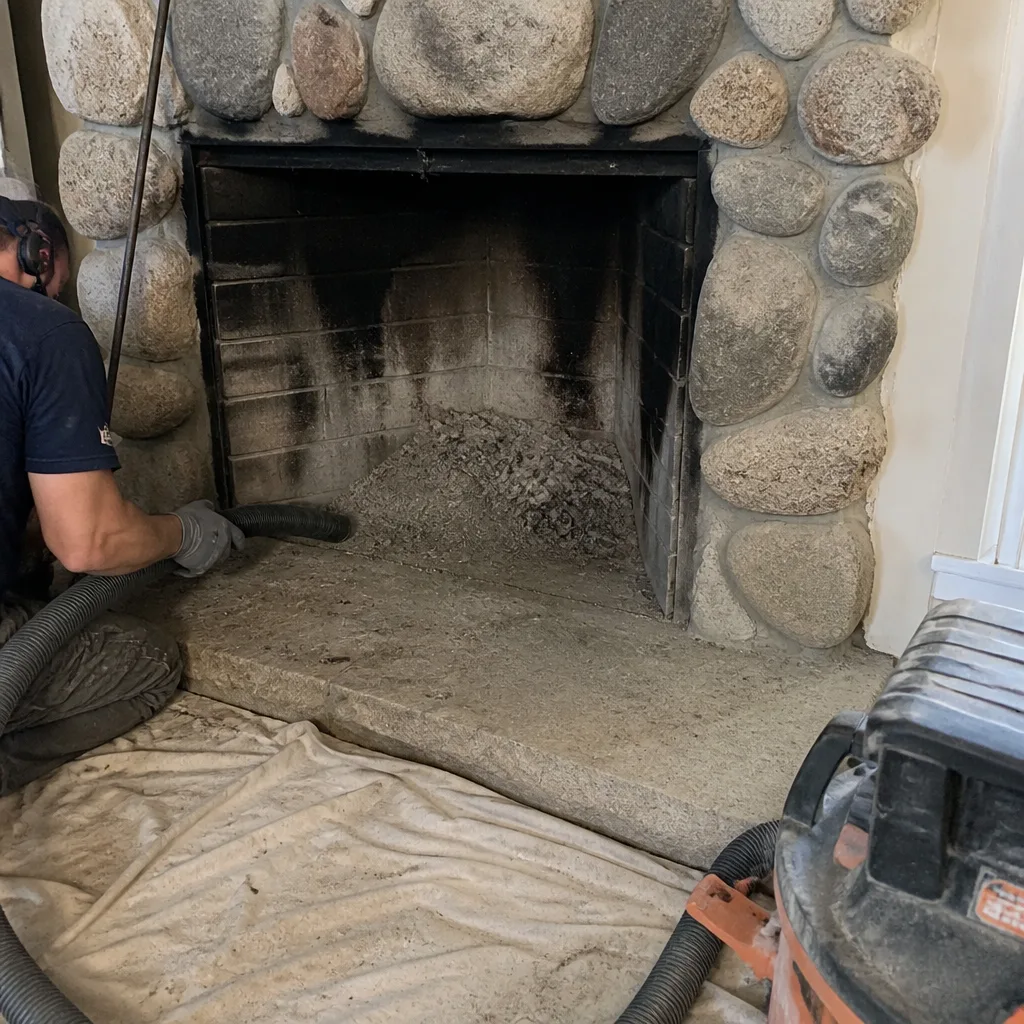
- Preparation of the work area. Drop cloths go down around the firebox, and the working area gets protected before anything starts. If you’re seeing a technician who skips this, the rest of the job is worth questioning.
- Initial visual assessment. A look at the firebox, damper, and visible flue before cleaning begins. This is where obvious problems start getting noticed.
- Cleaning of the flue. The proper brush or rotary tool for the flue type, working from the bottom or top as the setup requires. The goal is removing soot and Stage 1 creosote, plus addressing any Stage 2 glazing if present.
- Cleaning of the firebox and damper. The firebox floor, walls, and damper area get cleaned out. Creosote and soot don’t stay confined to the flue.
- Inspection of the accessible components. The liner, cap, crown, and any accessible joints get checked. This is where a Level 1 inspection happens as part of the routine sweep.
- Baffle and cap check. The cap keeps water, animals, and debris out; the baffle and any internal components get checked for damage or obstruction.
- Cleanup and documentation. Debris is bagged, the area is cleaned, and the report is written. This is the part that proves the job was done.
A sweep doesn’t typically fix structural problems in the same visit, but a specialist should be able to identify them and explain what a fix involves. That’s where a full-service scope matters: sweep, inspection, chimney repair, liner work, and cap and crown installation can all be handled by one specialist, without a handoff to a second company that never saw the inspection.
When Cleaning Turns Into Repair: Caps, Crowns, and Liners
Sometimes a sweep finds that cleaning alone won’t keep the chimney safe. The two most common structural findings are the crown and the liner, and both have proper fixes that shouldn’t be left to a generalist handyman with generic materials.
The Cap and Crown
The crown is the sloped surface at the top of the chimney that sheds water away from the masonry. A cracked or deteriorated crown lets water into the chimney structure, and water is the quiet enemy of masonry. The cap sits above the flue to keep out rain, birds, and debris while letting smoke escape. When the crown is failing or the cap is missing or damaged, that gap between cleaning and weatherproofing is exactly what a sweep-only operator leaves open. A specialist who installs caps and crowns as part of the service closes it.
We work with Gelco and Olympia Chimney for these components because the parts are built and installed to manufacturer spec, not adapted from a hardware-store substitute.
The Liner
The liner is the flue’s inner barrier. It can be clay tile, stainless, or another material. When a liner is cracked, deteriorating, or no longer appropriate for the appliance, the fix is usually relining. DuraFlex liner systems are flexible stainless liners designed for this kind of installation, and it’s a job that requires real qualification to do correctly. For older chimneys with a deteriorating clay flue that still has usable structure, HeatShield resurfacing can restore the flue lining without full replacement.
Both of these are structural repairs, not cleaning tasks. If a sweep identifies a liner problem and hands you off to a separate masonry company, you’re now managing two contractors on one chimney, and the second one never saw the inspection that found the issue. A dedicated chimney specialist handles both sides.
Fireplace issues are related but distinct. If the firebox itself needs attention, look at fireplace repair as its own scope of work.
Common Mistakes to Avoid
- Treating a brushed flue as a clean flue. If Stage 2 glazing is present, brushing alone leaves it behind. Ask whether the sweep checks for creosote stages, not just whether the brush went up the flue.
- Skipping the mid-season cleaning on a wood stove. Herriman winters are long, and a stove used as secondary heat can accumulate significant creosote before the next scheduled visit. Two cleanings a season is often right for heavy use.
- Accepting a “free inspection” that’s really a glance. A Level 1 inspection has limits. If there’s a real concern, ask for a Level 2 with a video scan you can review.
- Burning wet or unseasoned wood to save money. It produces more creosote, which means more frequent cleaning and more risk. Dry, well-seasoned firewood is cheaper over a season than the damage wet wood causes.
- Ignoring a draft problem during inversion season. Smoke backing up only on still, cold days is a signal, not a quirk. Get it looked at before it becomes a routine annoyance that masks a real draft or liner issue.
- Letting a handyman handle liner or resurfacing work. Liner resurfacing and relining are high-skill, high-safety work. Professional-grade components like HeatShield and DuraFlex are used because generic substitutes don’t hold up and aren’t rated for the job.
- Treating the receipt as the deliverable. Push for the inspection notes, the findings, and any photos. A proper sweep documents what was found and what condition the flue is in.
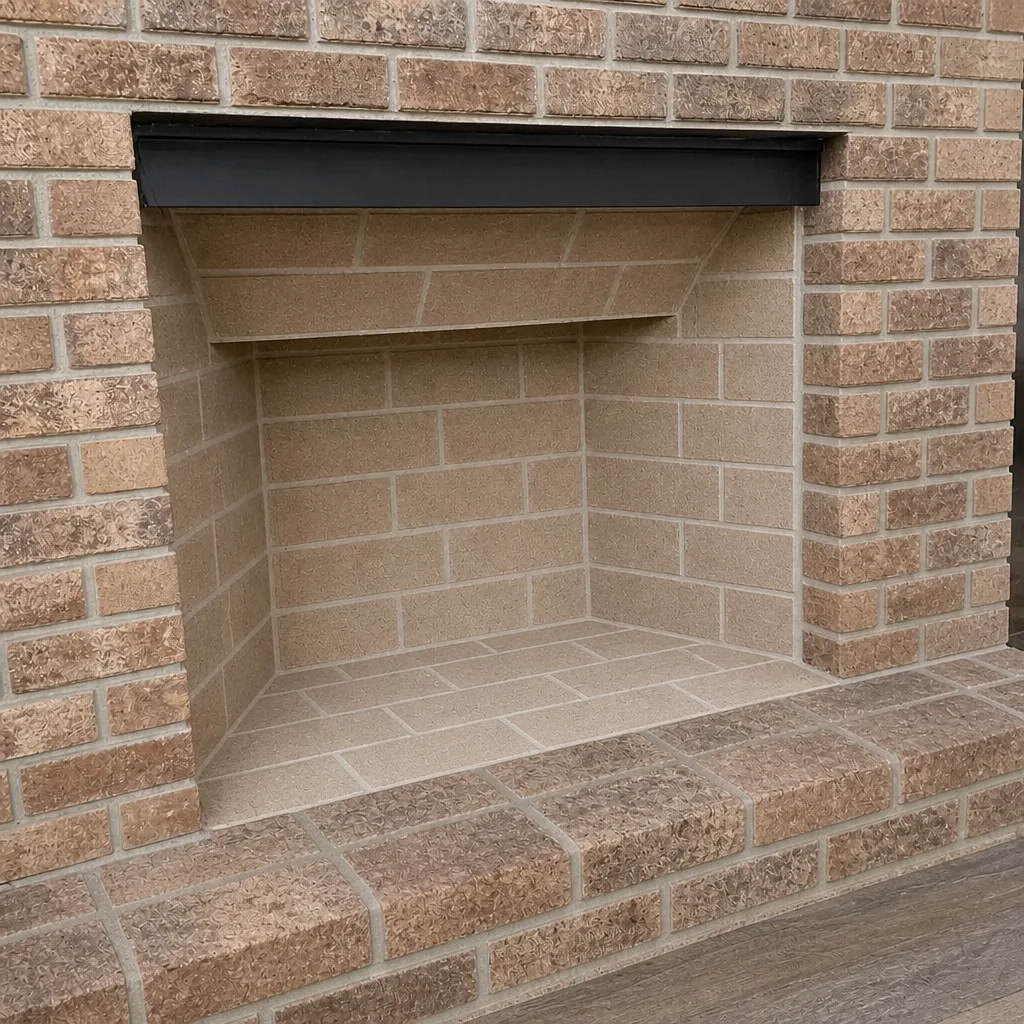
See the difference
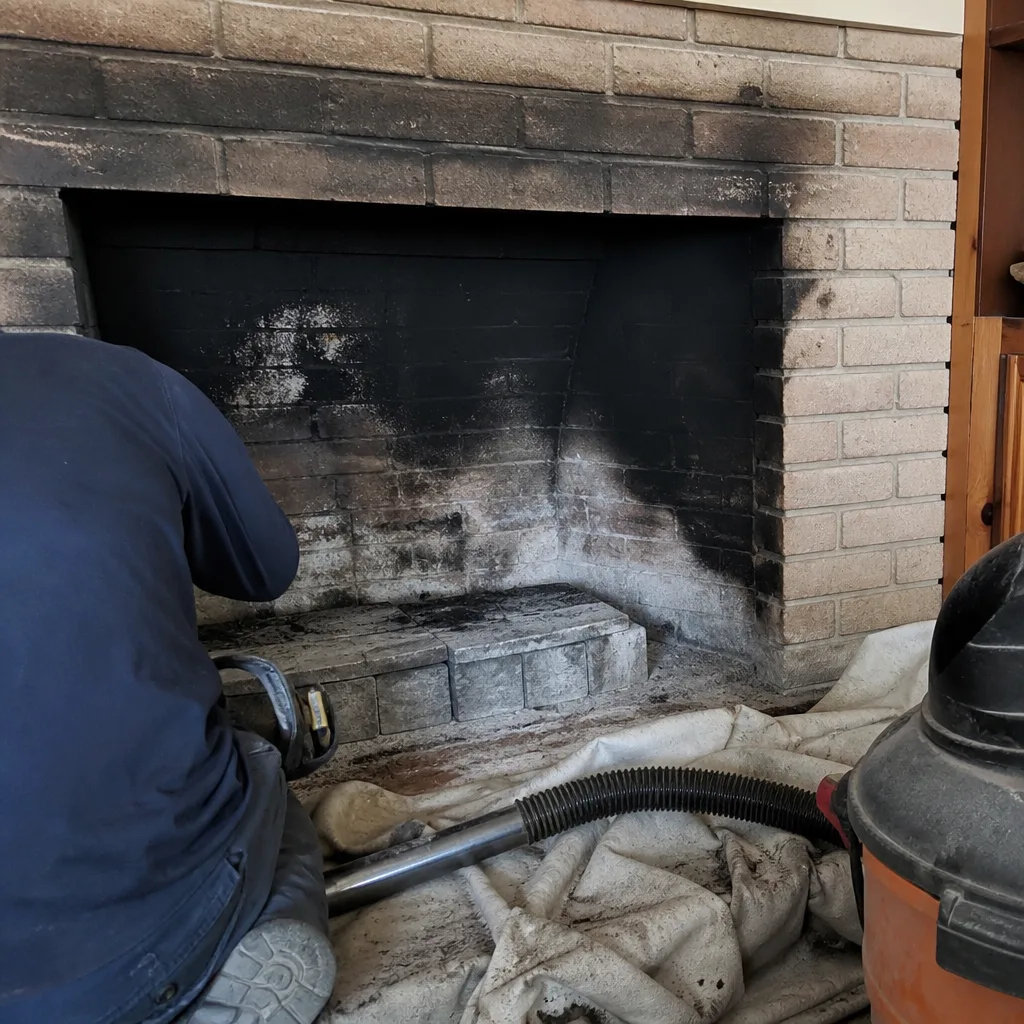 Before
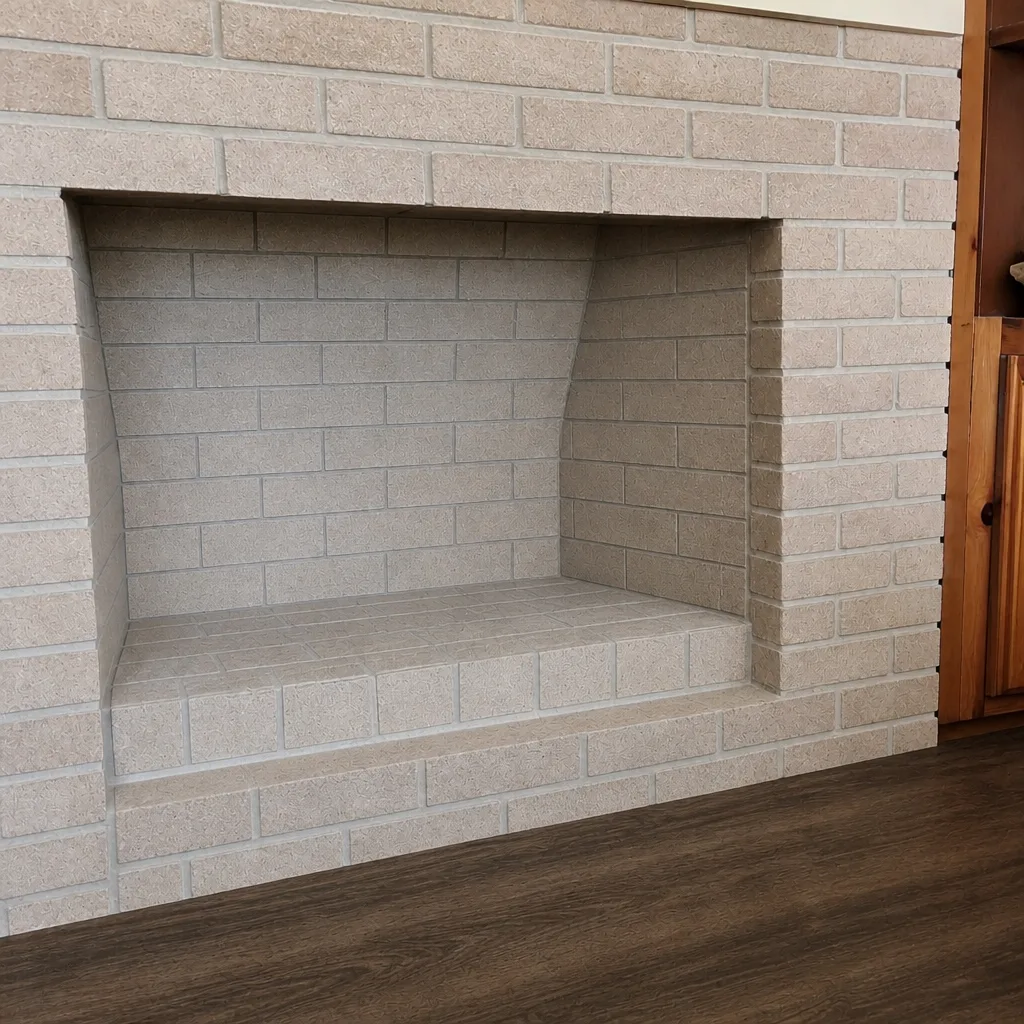 After
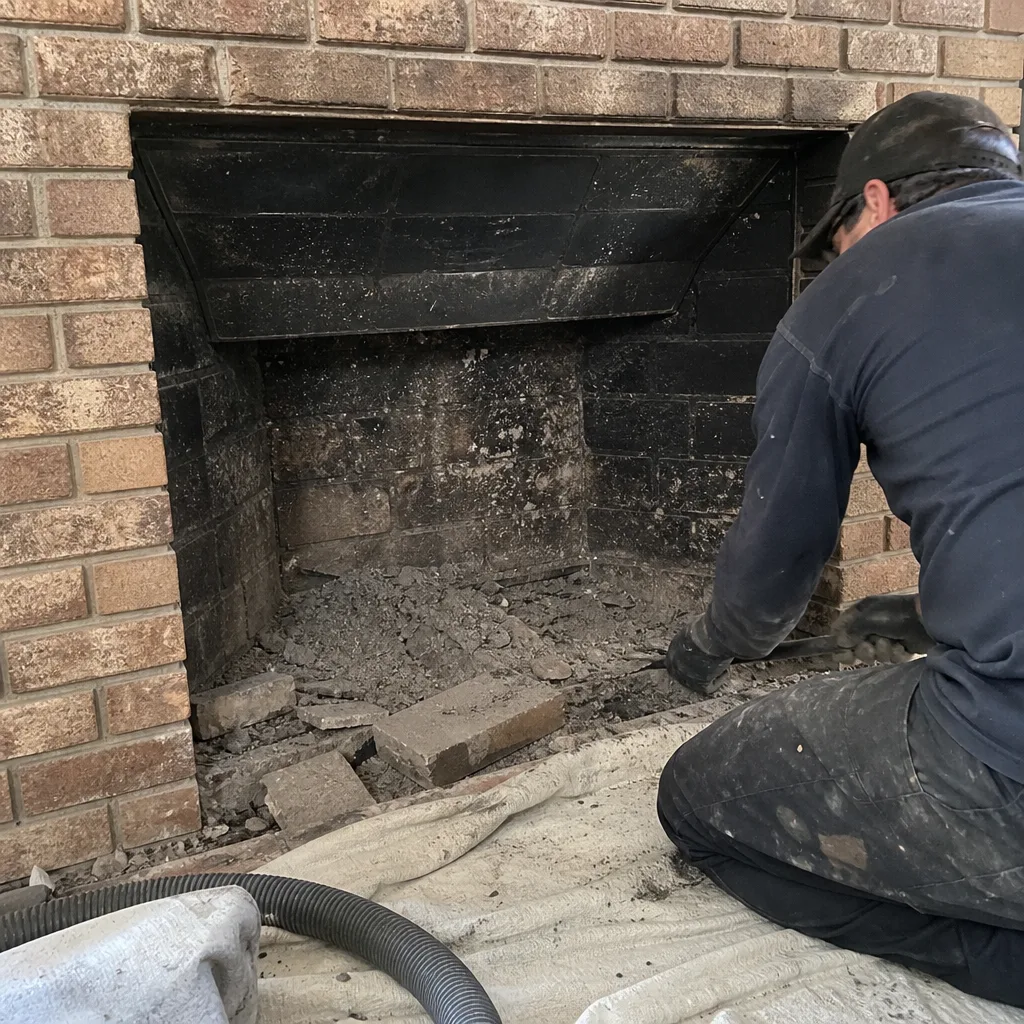 Before
 After
 Before
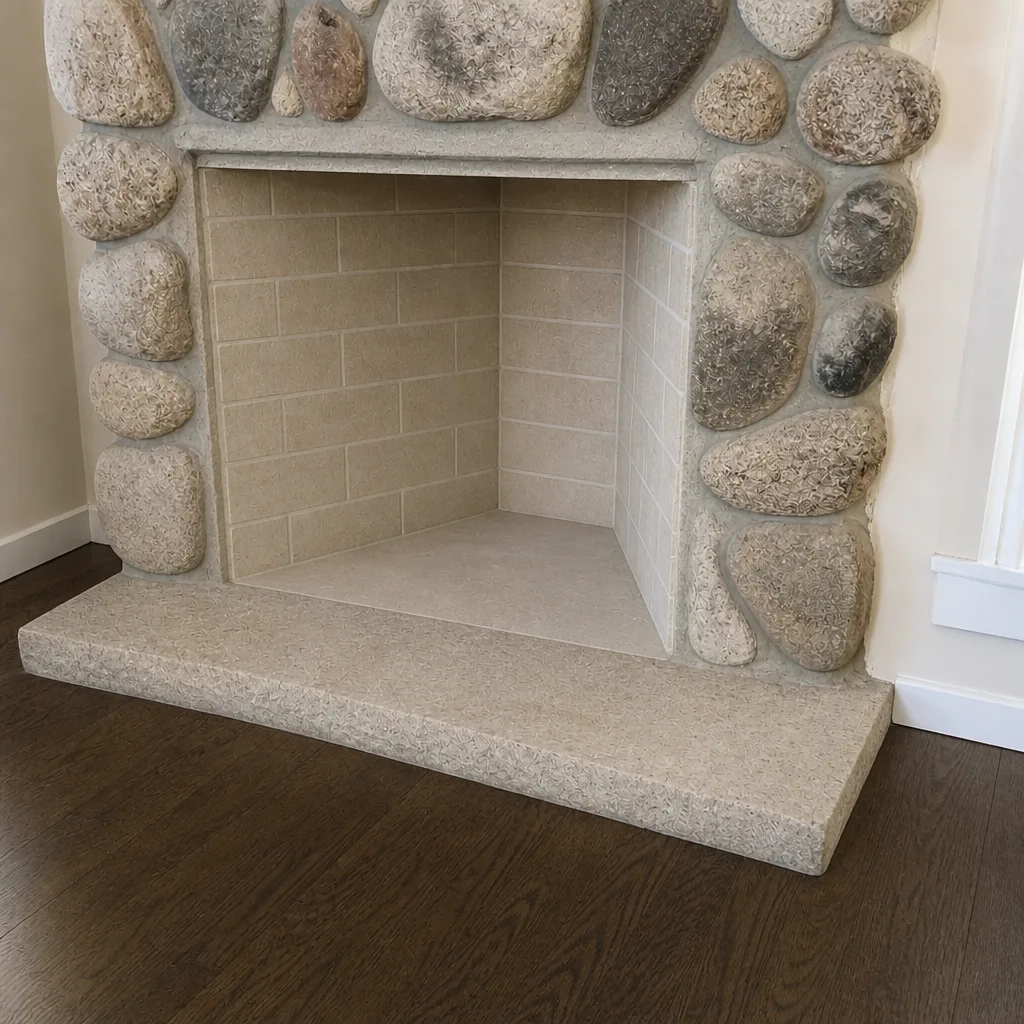 After
When to Call a Professional
Most chimney work in Herriman should be handled by someone who does chimney work specifically, but a few situations should prompt a call sooner rather than later. If you’re heading into burning season and haven’t had a sweep, book it now. If you’ve noticed smoke backing into the room on still days, a persistent creosote smell, or water stains near the chimney, those are signs worth investigating rather than watching. A sudden draft problem after a storm, a noticeable change in how the fire behaves, or a chimney fire you suspect happened in the past all merit a professional look. If you’re buying or selling a home, a Level 2 inspection is the responsible step. If you’ve been told you need liner work but haven’t seen the evidence, get a second opinion from a specialist who’ll show you the scan.
Chimney Sweep Herriman offers free estimates in Herriman. Call (833) 508-9248 to book a cleaning or inspection.
Frequently Asked Questions
Cleaning prices vary with the type of chimney, how much creosote has built up, and whether repairs or a cap are needed. We quote the price per job with a written estimate, so you know the cost before any work starts, and there’s no guesswork about what the final bill will be. Call (833) 508-9248 for an exact quote; estimates are free.
At least once a season for a fireplace, and often twice a season for a wood stove used as secondary heat through a Herriman winter. Heavy use, wet wood, and sluggish draft all speed up creosote buildup. Call (833) 508-9248 to talk about a schedule that matches how much you actually burn.
Yes, but the interval can be longer for truly occasional use. A sweep should inspect each season even if the flue doesn’t need a full cleaning, because creosote and liner condition can change without obvious signs. Call (833) 508-9248 for an assessment and a straight answer on timing.
A Level 1 inspection covers the readily accessible parts of the chimney, while a Level 2 adds a video scan of the flue interior and checks of areas the chimney passes through. A Level 1 fits routine maintenance; a Level 2 fits buying or selling a home, a past chimney fire, a new appliance, or a persistent draft problem. If you’re unsure which one applies, call (833) 508-9248 and we’ll tell you.
Herriman’s cold-air inversions can flatten the pressure differential a chimney relies on, and elevation influences how much draft you actually get. Smoke backing up on still, cold days usually points to a draft or flue issue, not the wood. Call (833) 508-9248 to have it checked before the next burning season.
Yes. Wet wood has to burn off moisture before it gives useful heat, which cools the smoke and deposits more creosote on the flue walls. Dry, seasoned wood is a real cost saver over a season because it means less buildup and less frequent cleaning. Call (833) 508-9248 if you want the flue assessed for buildup before the season starts.
The Bottom Line
Chimney cleaning in Herriman isn’t just soot removal. It’s identifying what stage of creosote is on the liner, understanding how elevation and inversion seasons change draft and deposition, and knowing when a Level 1 inspection isn’t enough. A wood stove used as secondary heat through a long Herriman winter needs more than a single annual brush. And a receipt isn’t a cleaning unless it documents what was found and what condition the flue is in. If you’ve been told you need liner or crown work, ask to see the evidence. If nothing needs fixing yet, a good specialist will tell you that too. Our technicians have up to 15 years of experience, and we inspect before we recommend. From sweep to repair, it’s handled by one specialist using professional-grade components. Call (833) 508-9248 for a free estimate. We answer 24/7. Fast dispatch from 7am to 7pm, Sunday through Friday.
Written by the team at Chimney Sweep Herriman.