
Last updated November 24, 2026
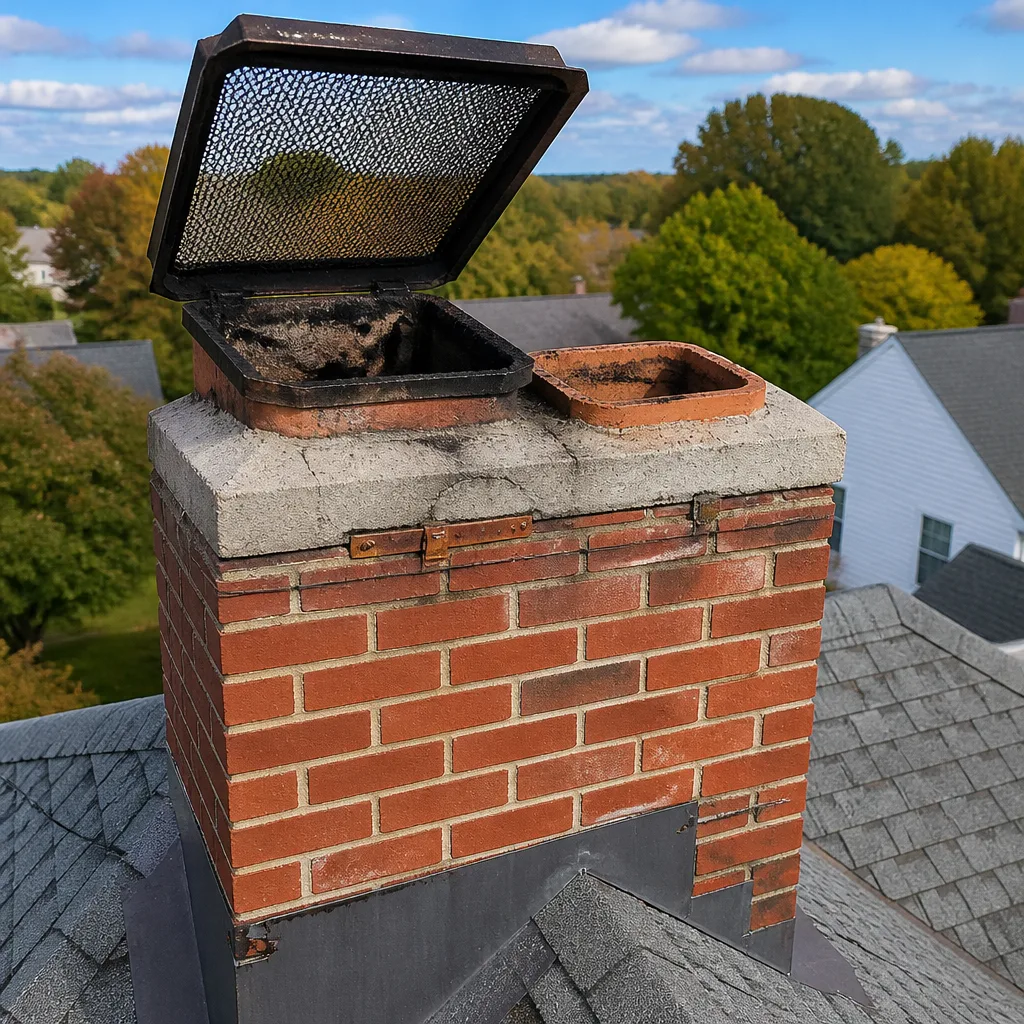 Sweep & inspection
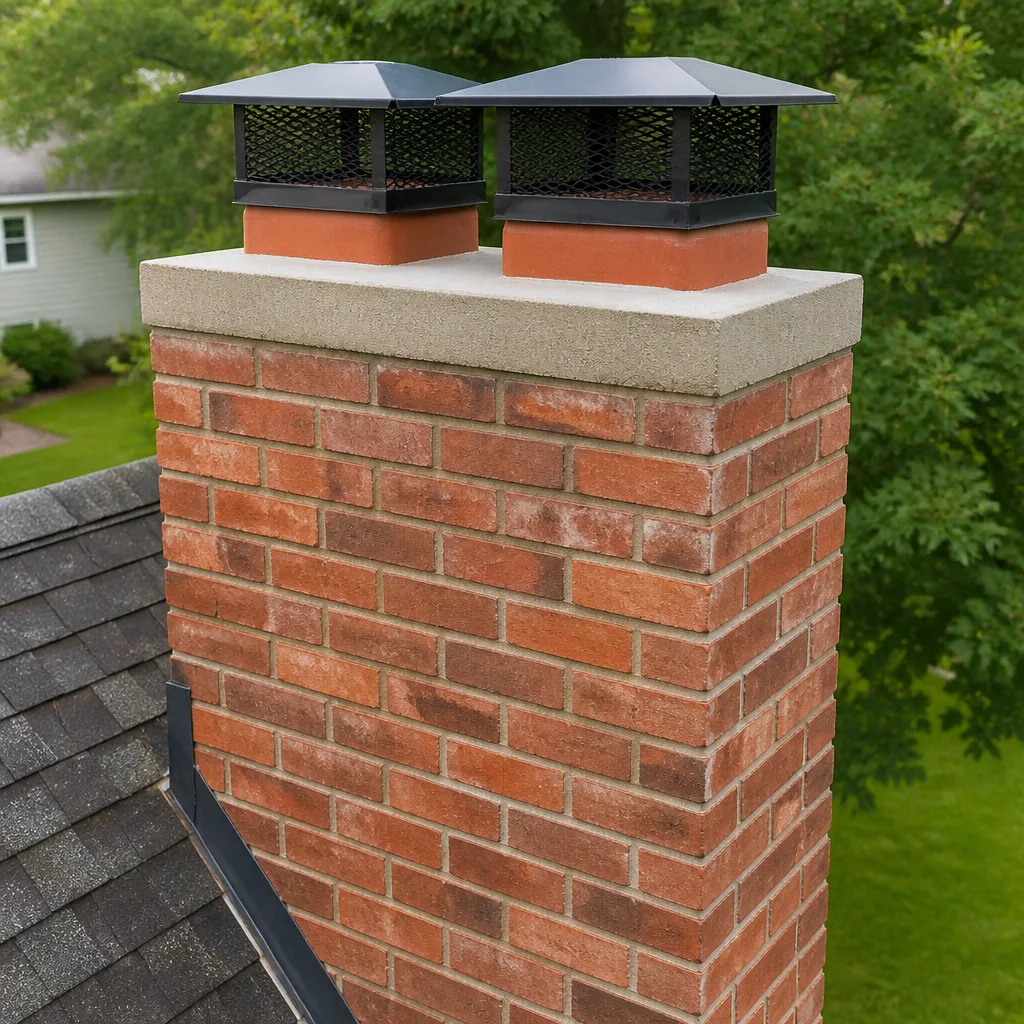 Caps & crowns
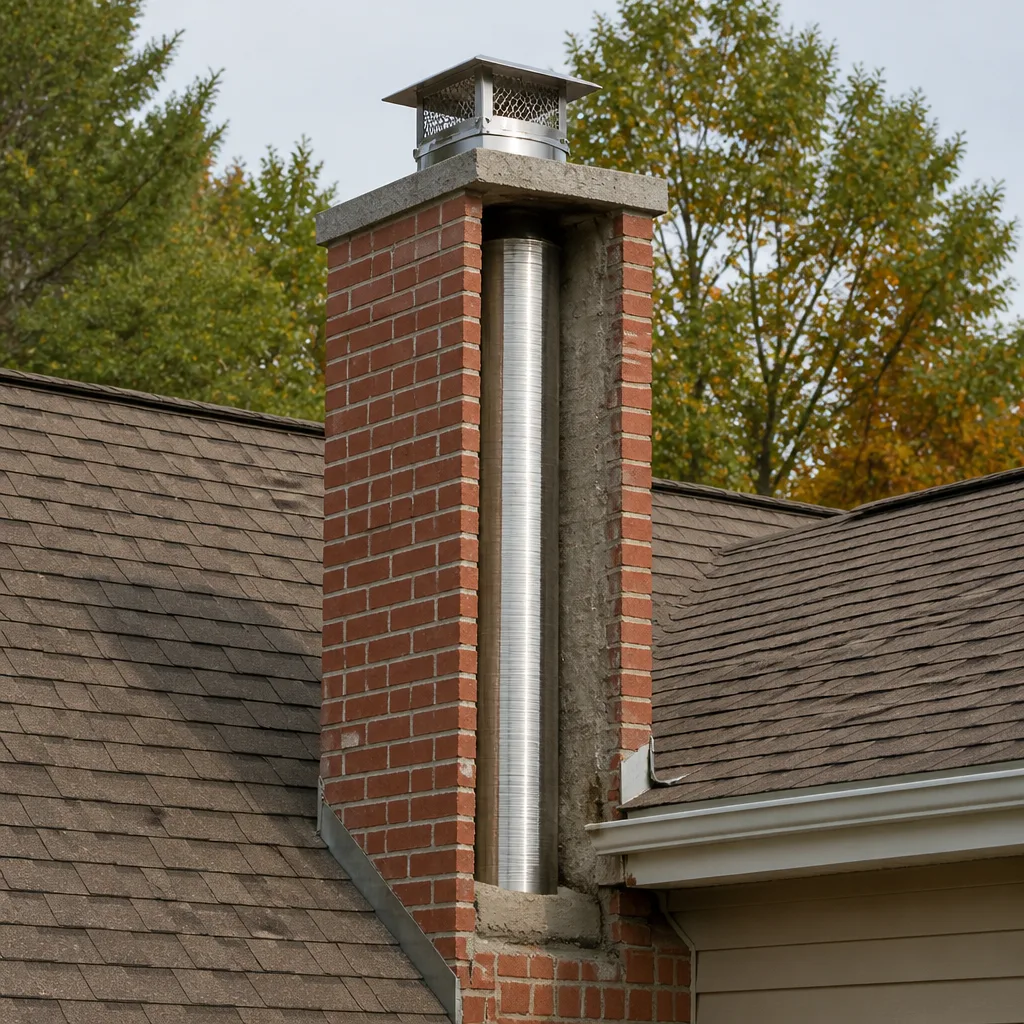 Flue relining
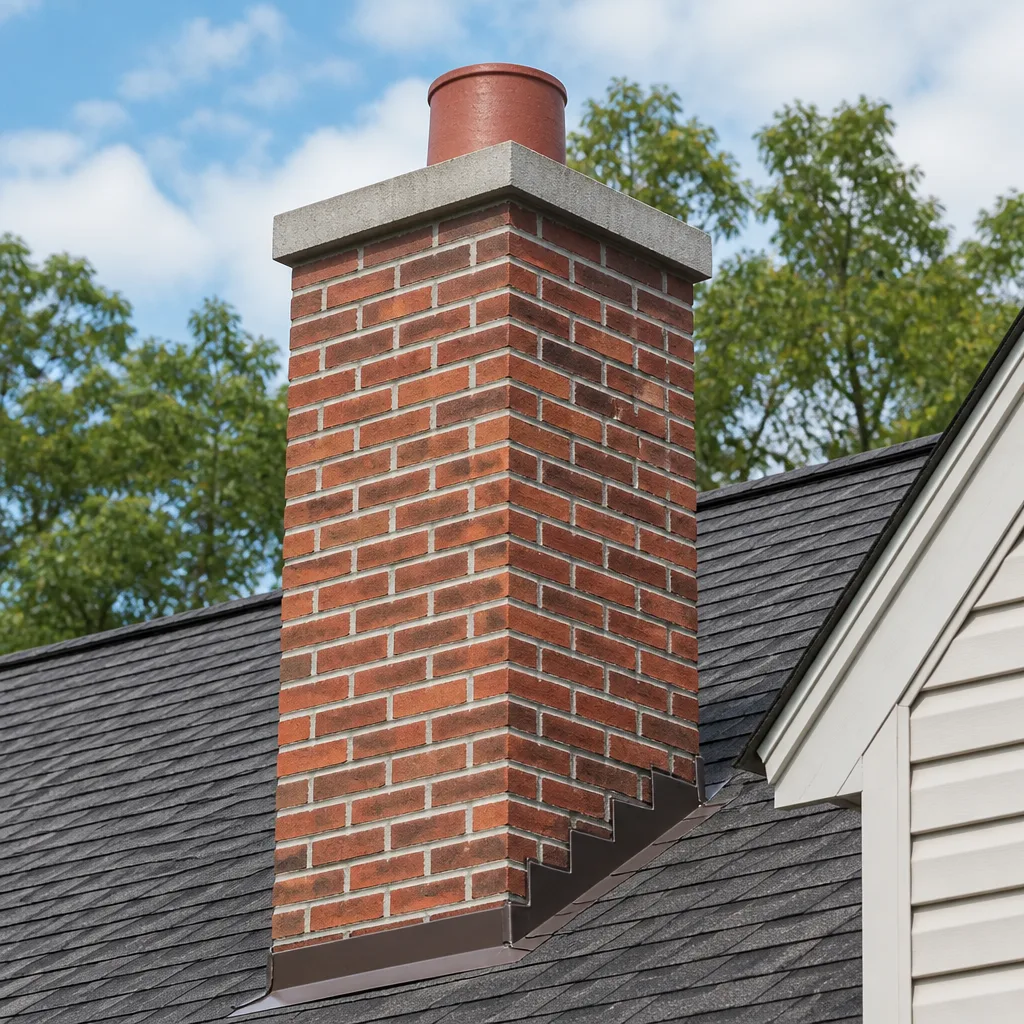 Masonry repair
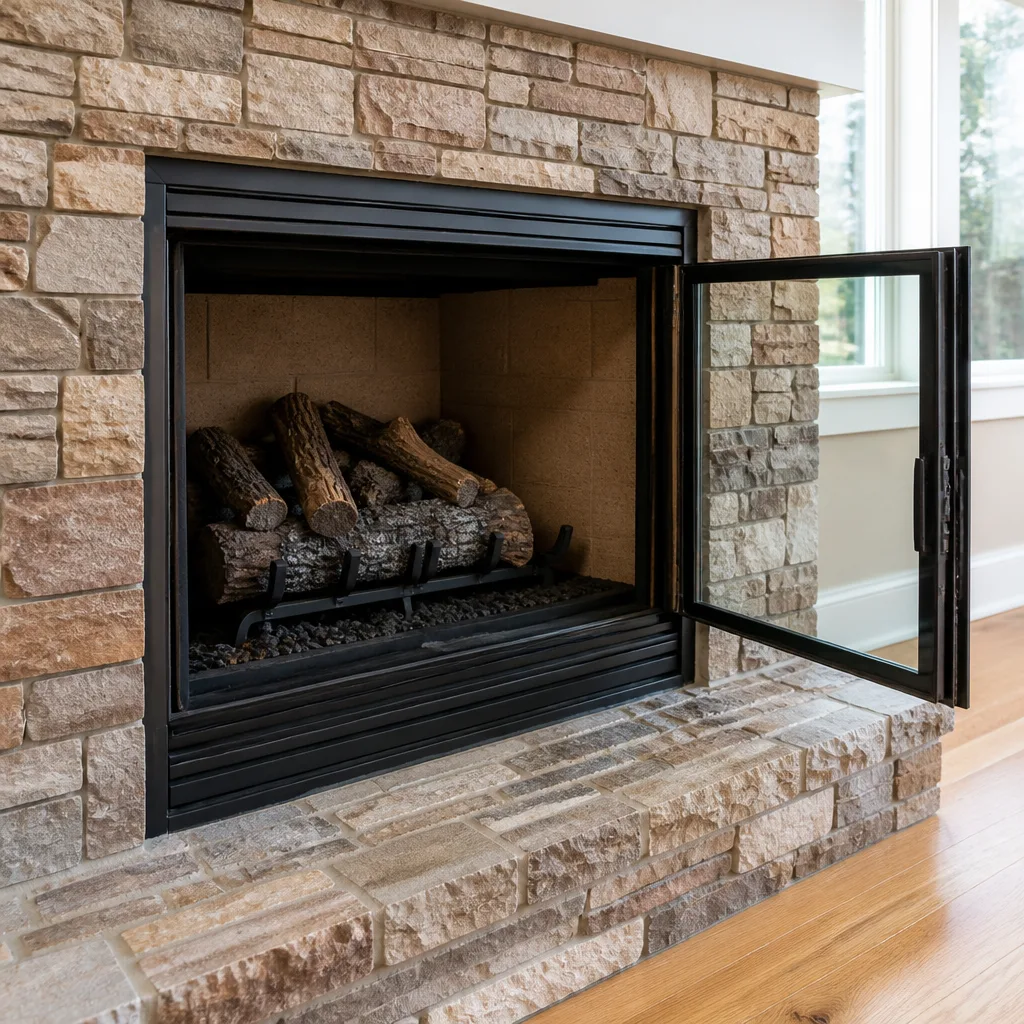 Gas fireplace service
Level 1 sweep and inspection to the NFPA 211 annual standard - flue, crown, cap, and flashing checked and photographed
Chimney sweep logs do not sweep chimneys. They loosen some creosote - which then falls where a brush and vacuum still have to collect it.
DIY vs Professional Chimney Cleaning: The Herriman Homeowner’s Decision Guide
Most chimney fires don’t start with a dramatic, roaring blaze. They start small, in a hidden pocket of glazed creosote on the smoke chamber, and they smolder quietly until the flue is compromised. A brush and a drop cloth can remove light soot, and for a narrow set of homes that’s genuinely all you need. But a brush cannot tell you whether your liner has a hairline crack that’s been leaking carbon monoxide into your living space, and that’s the part worth understanding before you decide. This guide walks Herriman homeowners through exactly what DIY cleaning accomplishes, where it stops, and how to weigh the cost honestly.
Quick Answer
For a single-flue fireplace with a straight run, no insert, and nothing but light, fluffy soot, a homeowner can reasonably brush the flue themselves. For anything beyond that – glazed Stage 2 creosote, an appliance insert, a liner of unknown condition, or any home where you can’t clearly see the smoke shelf and smoke chamber – professional cleaning is the safer and often cheaper call. A professional sweep does two jobs at once: the cleaning and the inspection that tells you what’s actually going on inside the chimney.
Styles & brands we work with
- Sweep & inspection
- Caps & crowns
- Flue relining
- Masonry repair
- Gas fireplace service
Table of Contents
- What DIY Cleaning Actually Accomplishes
- The Equipment Gap: Why Consumer Brush Kits Fall Short
- What Only a Professional Can Assess
- The Insurance Angle: What DIY Work Means for a Fire Claim
- A Cost-Benefit Framework for Herriman Homeowners
- Why Herriman Chimneys Present Their Own Problems
- When to Call a Professional
- Frequently Asked Questions
What DIY Cleaning Actually Accomplishes
A chimney brush on a flexible rod does one thing well: it scrapes loose soot off the interior walls of the flue. If your fireplace has been lightly used, burns dry, well-seasoned wood, and drafts cleanly, the buildup inside the flue is probably soft, powdery soot that a brush genuinely removes. In that narrow scenario, a careful homeowner with a drop cloth, a shop vacuum with a fine filter, and a properly sized brush can keep the flue reasonably clear between professional visits.
We’ve seen that scenario plenty in Herriman. Many homes here run a wood-burning fireplace a few evenings a week through the cold months, and the buildup stays modest as long as the wood is dry and the fire draws well. That’s the good case.
The specific scenario where DIY is a reasonable option:
- One fireplace, one flue, no gas or wood insert attached
- A straight vertical run with no offset or sharp bend you can’t reach
- Light, fluffy soot only – nothing black, shiny, or crusted
- No visible damage, cracking, or missing mortar inside the firebox
- The cap and crown on top are intact and you can see them safely
Outside that set of conditions, DIY cleaning starts to become a partial job that leaves the hardest part untouched. The brush cleans what it reaches. It doesn’t clean what it can’t see, and it doesn’t evaluate whether the flue is safe to use afterward. For an honest walkthrough of what a standard cleaning looks like, see our chimney sweep service page.
The Equipment Gap: Why Consumer Brush Kits Fall Short
Consumer brush kits are built for light soot, and that’s their limit. The materials that actually cause chimney fires are harder, denser, and stickier than what a hardware-store brush can handle. Professional sweeps carry tools designed for the harder stages of creosote, and the difference matters more than most homeowners realize.
Here’s what the two grades of creosote look like and why the distinction decides the DIY question:
- Stage 1 (light soot): Fluffy, gray to brown, easily scraped. A brush removes it. DIY can handle this.
- Stage 2 (glazed creosote): Dense, black, and stuck to the flue wall. Common in homes with restricted draft, frequent low-temperature fires, or unseasoned wood. A wire brush skims the surface but usually won’t remove it. It requires professional-grade rotary tools.
- Stage 3 (glazed and hardened): Has baked onto the flue wall like ceramic. Only a professional with the right tools – and the knowledge to do it without damaging the liner – should touch it.
The smoke shelf and smoke chamber are the second gap. These are the offset area above the firebox where smoke curls before it enters the flue, and they collect creosote that a straight brush never touches. They’re also the exact spot where chimney fires commonly start, because the buildup there sits close to the fire. Reaching and cleaning the smoke chamber properly requires angled brushes and camera access, which a DIY kit doesn’t include.
When we recommend a full cleaning, it’s because the brush, the camera, and the assessment happen in one visit. Professional-grade tools like Olympia Chimney brushes and rods are sized to the flue and designed to clear the harder buildup without scratching the liner. That’s the gap between a homeowner with a consumer kit and a chimney specialist, and it’s a real one.
What Only a Professional Can Assess
A professional sweep at Chimney Sweep Herriman isn’t only a cleaning. It’s a cleaning plus a Level 2-style inspection, and it’s that inspection that answers the questions DIY can’t. Here’s a straightforward rundown of what a trained sweep looks at:
- Liner integrity: A camera run down the flue reveals cracks, gaps in joints, and liner damage you can’t see from below. A hairline crack is invisible to the eye and big enough to leak carbon monoxide into a living space.
- Cap and crown condition: A cracked crown or broken cap lets water and animals into the chimney. Water ingress is one of the leading causes of masonry failure, and most homeowners never look at the crown from the roof. This is a routine part of our chimney repair work.
- Firebox deterioration: Spalling brick, crumbling mortar joints, and gaps in the firebox floor don’t just look bad – they can let heat or embers reach framing. This belongs to fireplace repair territory, and it’s not something a homeowner can judge from the hearth.
- Appliance clearances: If you have a wood stove or insert, clearances to combustibles are set by the manufacturer’s installation instructions. A sweep checks them. DIY cleaning doesn’t.
- Draft and airflow: A properly drafting chimney keeps smoke and carbon monoxide moving up and out. A sweep tests draft during the visit and flags a weak or reversed draft before it becomes a problem.
None of that is upsell. It’s information you need to make a safe decision about your fireplace this winter, and it’s part of every inspection we do. If you want to know what’s behind the camera work, our guide on our main Chimney Sweep Herriman page walks through the process.
The Insurance Angle: What DIY Work Means for a Fire Claim
This is the part most guides skip, and it’s worth five minutes of your attention before you decide. Homeowner’s insurance policies vary widely, but in general a policy expects the homeowner to maintain the fireplace and chimney in a safe condition. If a fire happens and the carrier can show that creosote had built up well beyond a reasonable maintenance interval, or that a known problem was left unaddressed, the claim can be contested, reduced, or denied.
That’s not a scare tactic. It’s the standard language in most policies: neglect and lack of maintenance are commonly listed exclusions. The practical question for a Herriman homeowner is whether your cleaning and inspection records would support your side of the claim.
A professional sweep produces a written record: the date, what was cleaned, what was inspected, and what was found. That record is your evidence that the chimney was maintained. If a fire ever happens, that paperwork is the first thing an adjuster asks for. DIY cleaning produces a clean flue and a memory, and a memory isn’t proof.
There’s a second layer to this. If a professional inspection flagged a defect and you chose not to address it, that’s also on record – which is why we document findings clearly and give you the estimate in writing. We’d rather you have the full picture and make an informed call than find out after the fact that a covered loss was excluded over a technicality.
If you’re a buyer or seller in Herriman, an inspection report is often a contract requirement. That’s a separate service from cleaning, and it’s worth knowing the difference.
A Cost-Benefit Framework for Herriman Homeowners
Let’s talk about the actual math. There’s no single right answer for every chimney, but there’s a clear framework you can apply to yours.
When DIY saves money:
- You’ve had a professional inspect the chimney and clear it for DIY maintenance
- The flue is clean and you’re brushing out light soot between annual visits
- You already own a properly sized brush, rods, and a HEPA-style vacuum
- You’re comfortable on a ladder for the cap inspection or you can skip it safely
- You know what creosote stages look like and stop the moment you see glazed buildup
When DIY defers the real problem:
- You’ve never had the chimney inspected and don’t know what’s inside
- You’ve had a sweep in the past but no one ran a camera down the flue
- Your fireplace has an insert or stove attached
- You burn frequently and see black, shiny, or crusted buildup
- You’ve had a previous company find a problem but never fix it – this is the one that costs you in the long run
Here’s the framework in one line: DIY saves money only when you already know the chimney is clean and safe. If you don’t know that, DIY is a gamble that the flue hasn’t deteriorated, and the cost of being wrong is a repair that could range well beyond a routine sweep. We can’t put a number on that range without seeing your chimney, and anyone who quotes one sight-unseen is guessing.
The real question isn’t “brush or pay?” It’s “do I know what kind of buildup I have, and do I know the liner is intact?” Once a professional answers those two questions, DIY maintenance is genuinely reasonable. Until then, you’re brushing a flue you can’t see inside. For the repair side, our chimney repair page lays out what’s fixable and what isn’t.
Why Herriman Chimneys Present Their Own Problems
Herriman sits at the south end of the Salt Lake Valley, up against the Oquirrh foothills, and that geography shapes how chimneys here wear. Winters are cold and long, with deep overnight temperature swings that drive long burn cycles. Homes in the area, from the neighborhoods near Blackridge Reservoir to the newer subdivisions off Mountain View Corridor, are largely wood-burning or gas-fireplace homes built within the last few decades – which means many of them have masonry fireboxes with tile liners that are now at the age where joint gaps and hairline cracks start showing up.
Two Herriman-specific factors matter for this decision:
- Temperature swings and draft: Our cold mornings and warm afternoons create a strong stack effect that draws well but can also accelerate creosote formation if you burn green or unseasoned wood. Glazed buildup appears faster here than in mild climates, which tips the balance toward professional cleaning for frequent burners.
- Masonry exposure: Herriman’s freeze-thaw cycles are hard on crowns and mortar. A cracked crown or spalled firebox brick gets worse through the winter if it isn’t caught. A professional cleaning catches it. A brush doesn’t.
For buyers and sellers in Herriman, the inspection side is separate from the cleaning. If you’re closing on a home or addressing safety concerns before the heating season, an inspection with a camera and a written report is a good first step, and it’s available as a standalone service.
When to Call a Professional
Some situations put you firmly in professional territory, and it’s worth being direct about them:
- You’ve never had the chimney inspected. You don’t know the liner condition, and no brush can tell you.
- You see glazed, black, or shiny buildup. That’s Stage 2 or 3 creosote, and a consumer brush won’t remove it.
- You have any appliance insert. Clearances and draft are manufacturer-specific and need a trained eye.
- A previous company found a problem and didn’t fix it. This is where we see the biggest gap. A problem found and left unaddressed tends to grow. We inspect before we recommend and give you the estimate in writing.
- You’re buying or selling a home and need documentation. An inspection report is often required.
- You smell smoke indoors or see soot around the firebox. Those are signs of a draft or liner issue that needs diagnosis, not a brush.
Chimney Sweep Herriman offers free estimates in Herriman – call (833) 508-9248. Our technicians have up to 15 years of experience, and we work with professional-grade liner and component brands like DuraFlex and Olympia Chimney when a repair or reline is the right answer. We answer 24/7. Fast dispatch from 7am to 7pm, Sunday through Friday.
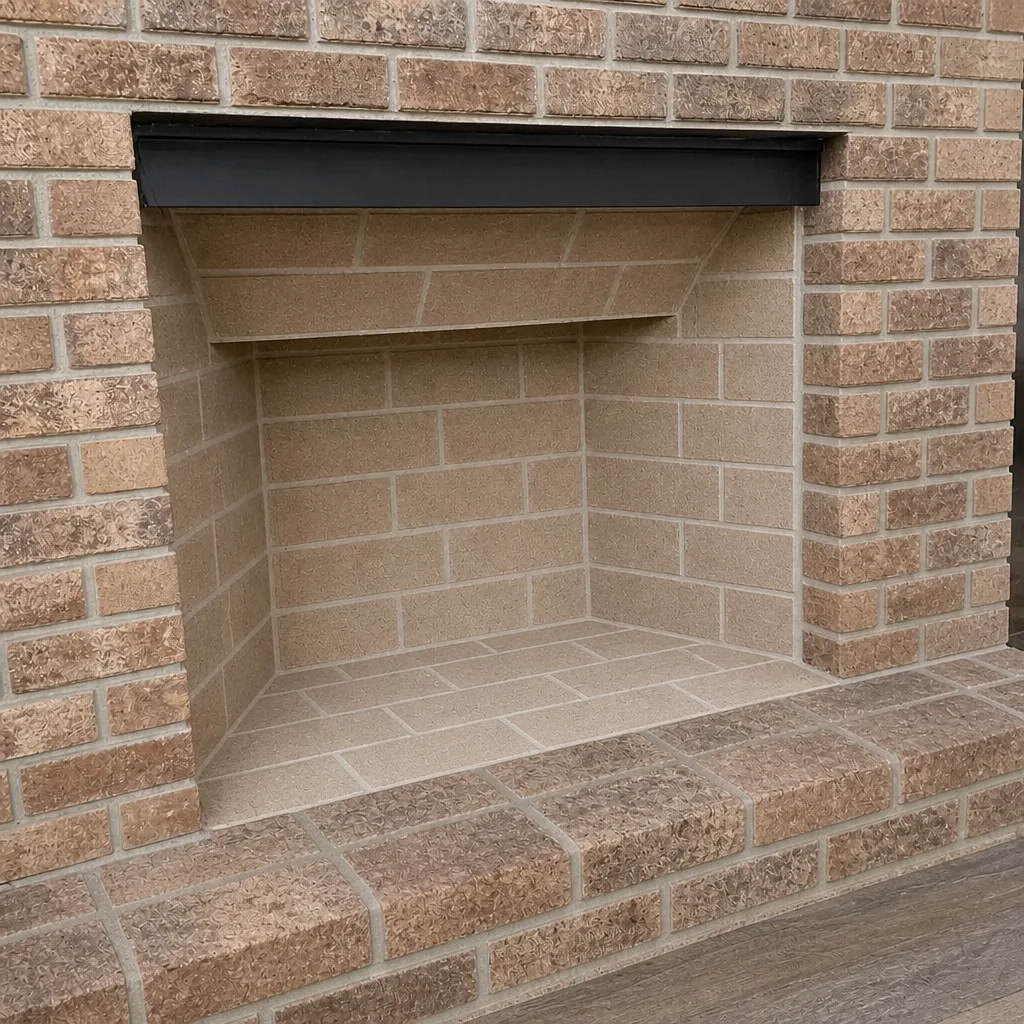
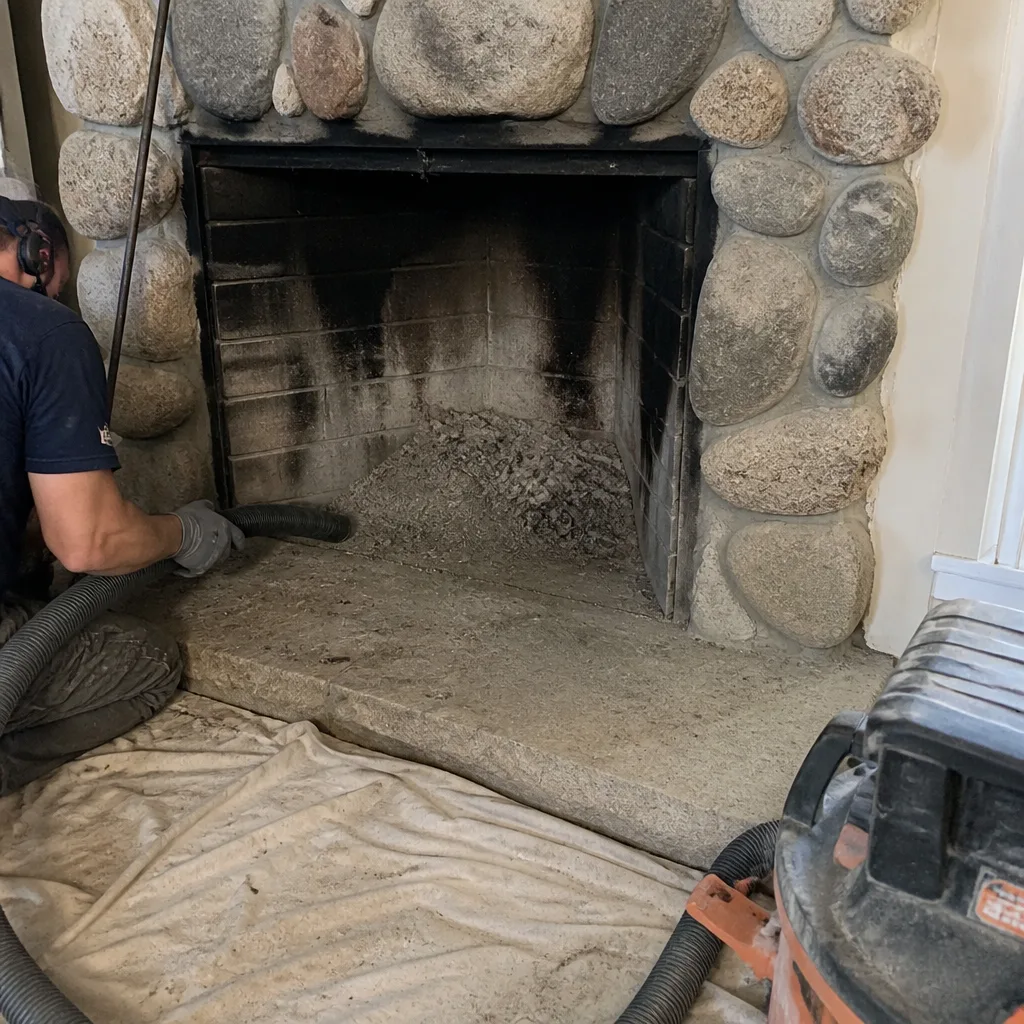
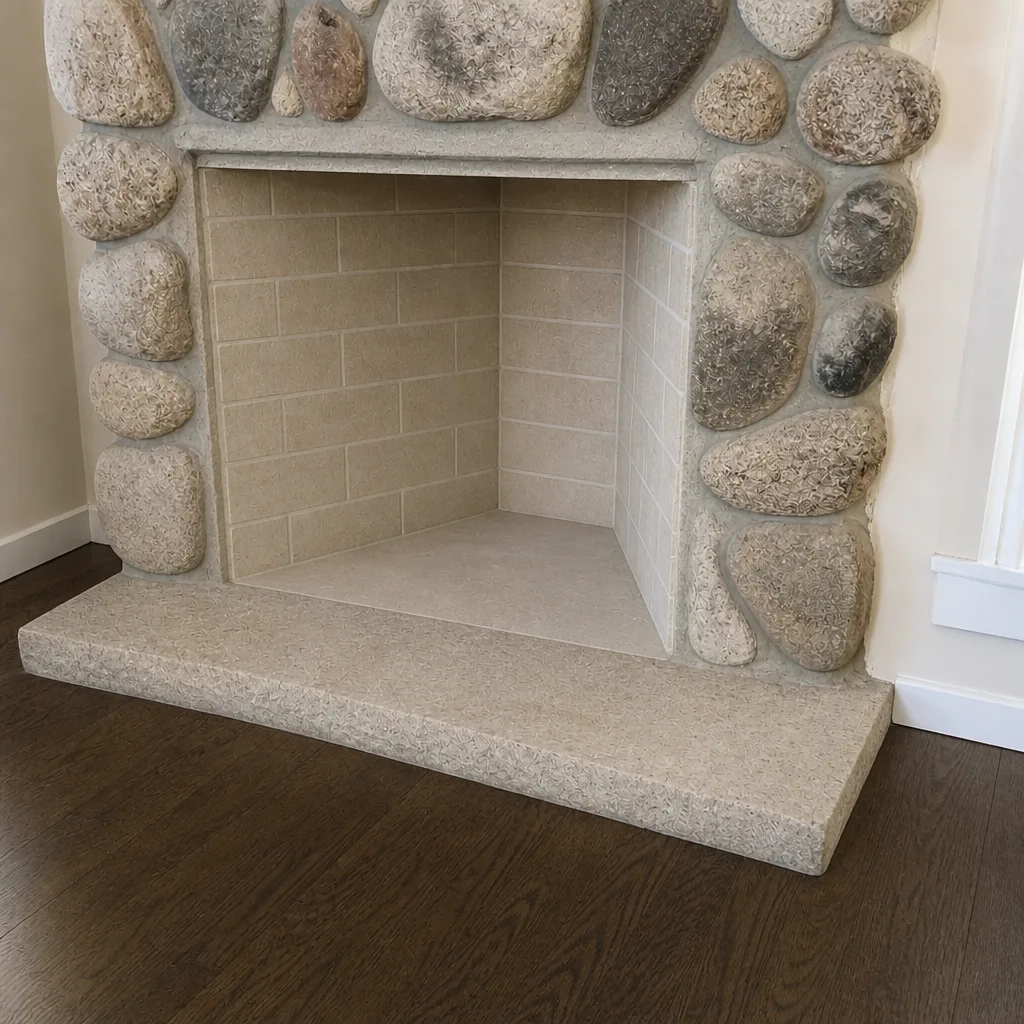
See the difference
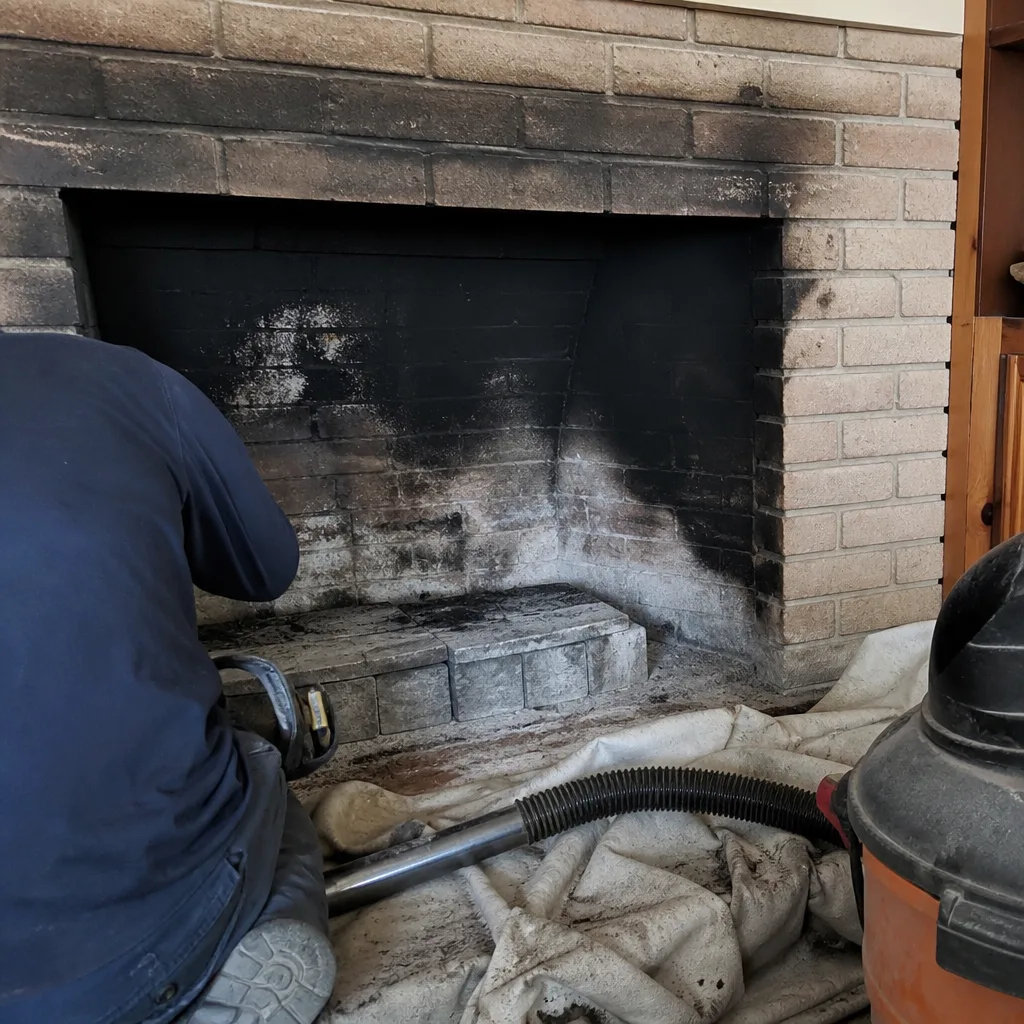 Before
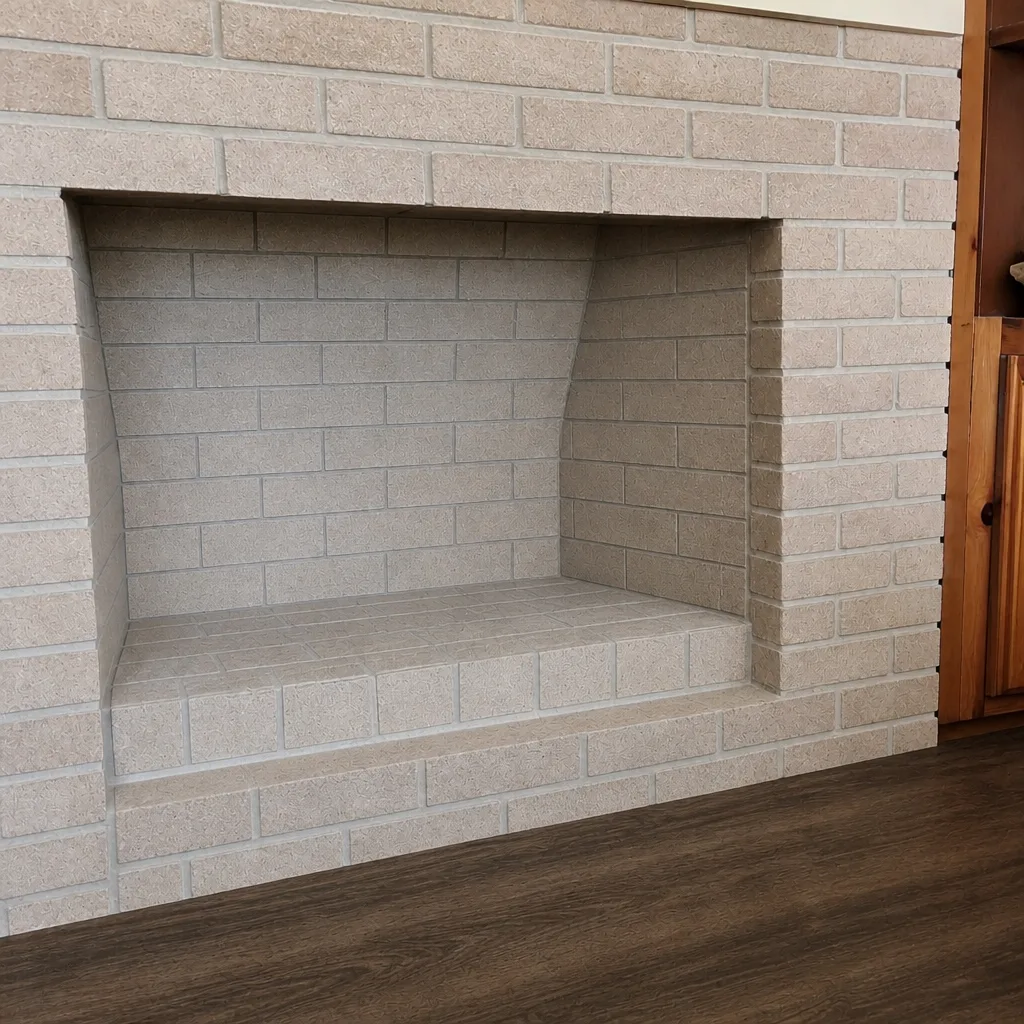 After
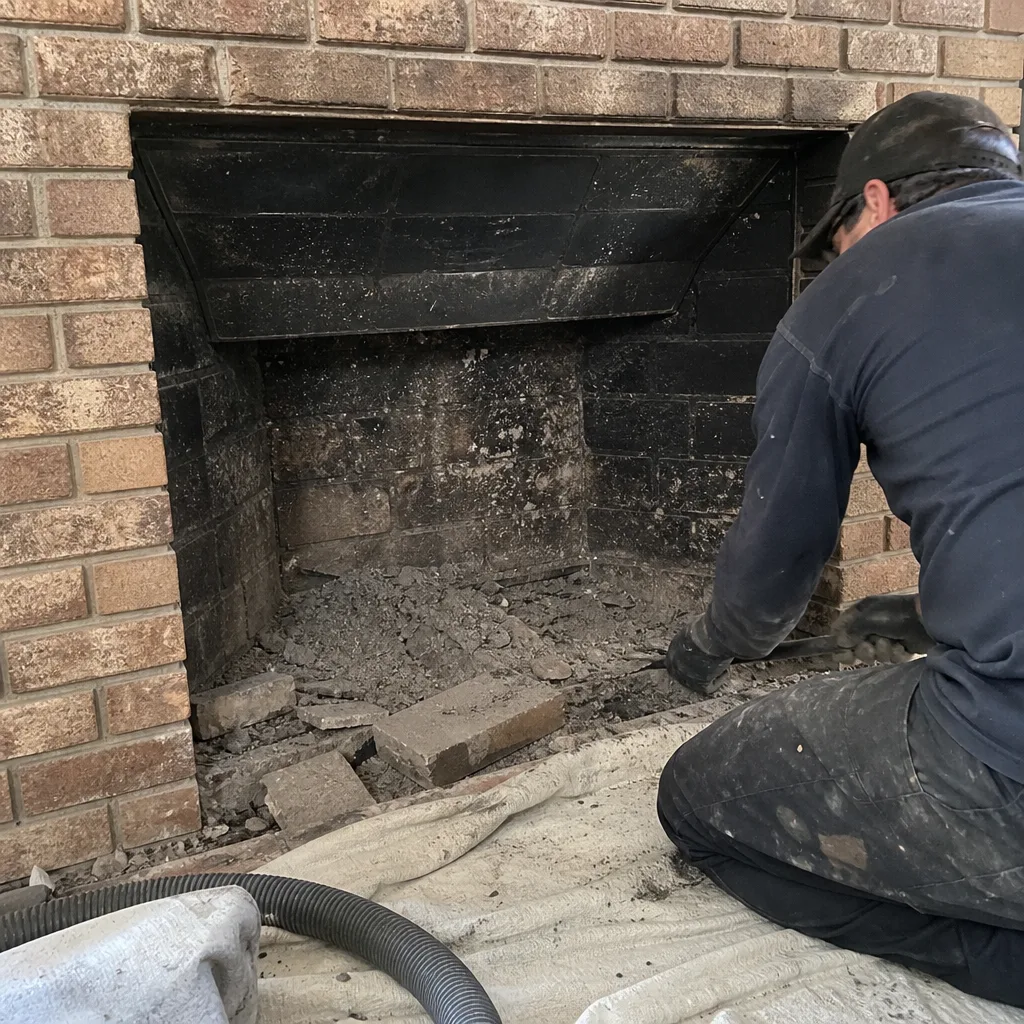 Before
 After
 Before
 After
Common Mistakes to Avoid
- Brushing a flue you’ve never seen inside. Buying a consumer kit and running it blind means you might be scraping a damaged liner or missing glazed creosote entirely. Get an inspection first, then decide if DIY maintenance makes sense.
- Skipping the smoke chamber and smoke shelf. These are where chimney fires start, and they’re the areas a straight brush misses. Knowing they exist and getting them cleaned professionally is the difference between a clean flue and a safe one.
- Treating a generic cap as weatherproofing. A loose cap or cracked crown lets water into the masonry, and freeze-thaw cycles in Herriman turn a small crack into a real repair. Caps belong to a proper installation, not a hardware-store drop-in.
- Assuming a gas fireplace needs no cleaning. Gas fireplaces still produce soot and debris, and the venting and liner need evaluation. Cleaning is not just for wood.
- Burning unseasoned or green wood to “save money.” It burns cooler, drafts worse, and deposits Stage 2 creosote much faster. Dry, well-seasoned wood is the single biggest thing you can do to keep buildup manageable between cleanings.
- Ignoring a problem a previous company found. If a sweep flagged a defect and you didn’t fix it, that defect didn’t go away. It sat through the winter. Getting a second look from a specialist who can actually do the repair is worth the call.
- Cleaning on a ladder when you can’t see the cap safely. Roof work around a chimney has real fall risk. If the cap and crown inspection requires getting on the roof, that’s a job for a professional.
Frequently Asked Questions
You can, in a narrow case: a single-flue fireplace with a straight run, no insert, light fluffy soot, and no visible damage. If any of those don’t apply, a professional cleaning is the safer call because it includes the inspection that tells you what’s actually inside the flue. We inspect before we recommend, so you get a clear answer about whether DIY maintenance is reasonable for your chimney.
Stage 2 creosote looks black, shiny, and crusted to the flue wall – not fluffy gray soot. If you see that through the damper or after a cleaning attempt, a consumer brush won’t remove it. Call (833) 508-9248 for a free estimate; professional rotary tools and camera inspection are what clear glazed buildup safely.
It can. Most policies expect the fireplace and chimney to be maintained in a safe condition, and neglect or unaddressed defects are commonly listed exclusions. A professional sweep leaves a written record of what was cleaned and inspected, which supports a claim if one is ever filed. DIY cleaning leaves no such record, so if a fire happens you may have a harder time proving maintenance. Call us to discuss documentation or to schedule an inspection.
At minimum once a year for an actively used fireplace, and more often if you burn frequently, burn unseasoned wood, or see buildup after a season. Herriman’s cold winters and long burn cycles push some homes toward more frequent cleaning. A professional sweep can tell you the right interval for your situation after seeing the flue.
Cost depends on the flue, the buildup, and whether an inspection is included, and we don’t quote a number without seeing the chimney – anyone who does is guessing. The estimate is free and the price is set by a written estimate. Call (833) 508-9248 to book a free estimate and get a real number for your chimney.
Usually, yes. That’s the reason many Herriman homeowners call us: a previous sweep flagged a liner issue, a cracked crown, or a firebox problem and never did the repair. We handle the full scope under one chimney specialist, from sweep to reline and cap, using professional-grade brands like DuraFlex and Olympia Chimney. Call us for a free estimate – the written estimate sets the price.
The Bottom Line
DIY chimney cleaning can be a reasonable option for a homeowner who already knows the chimney is clean and safe – and that’s the catch. The brush removes light soot. It doesn’t tell you whether the liner is cracked, the crown is failing, or the smoke chamber is loaded with glazed creosote, and those are the things that matter most. A professional cleaning does both jobs: the cleaning and the inspection. From sweep to repair, handled by one specialist, using professional-grade materials rather than off-the-shelf substitutes. If you’re unsure where your chimney falls on that spectrum, get a free estimate. That single call answers the question better than a brush ever could.
Chimney Sweep Herriman is a dedicated chimney specialist – sweep, inspection, fireplace repair, chimney repair, and chimney cap and crown, all under one contractor. Our technicians have up to 15 years of experience, and we work with professional-tier component brands including DuraFlex, Olympia Chimney, and Copperfield. Ready to make the call? Call (833) 508-9248 for a free estimate. We answer 24/7, with fast dispatch from 7am to 7pm, Sunday through Friday. From sweep to repair, handled by one specialist.
Written by the team at Chimney Sweep Herriman.