
Last updated November 24, 2026
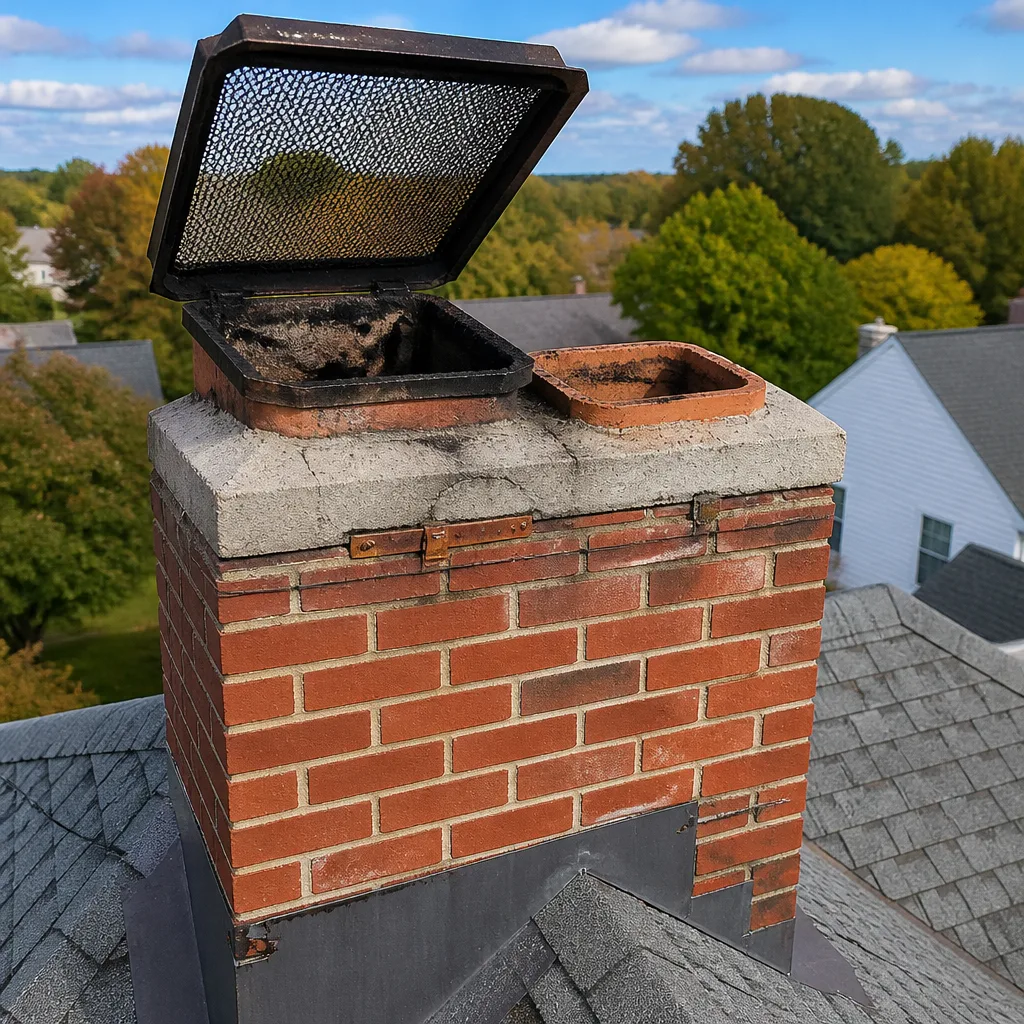 Sweep & inspection
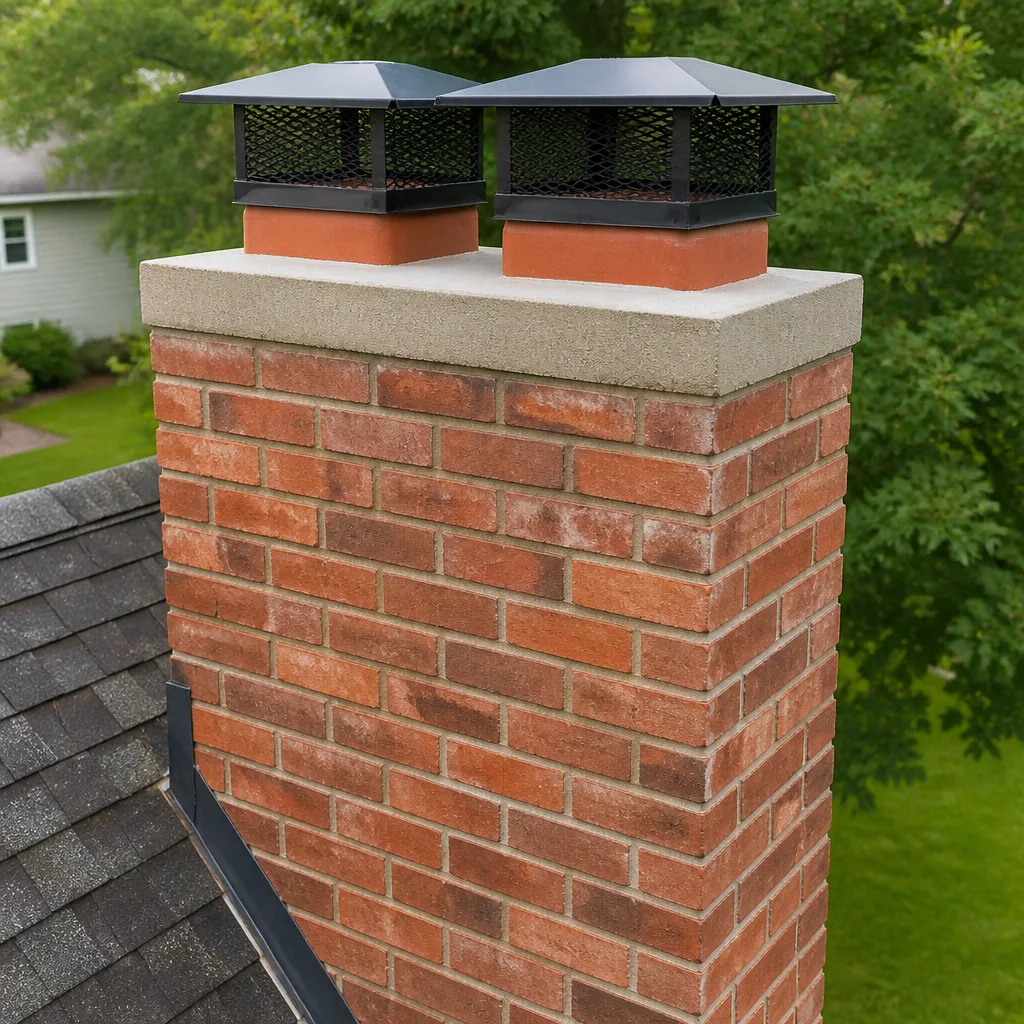 Caps & crowns
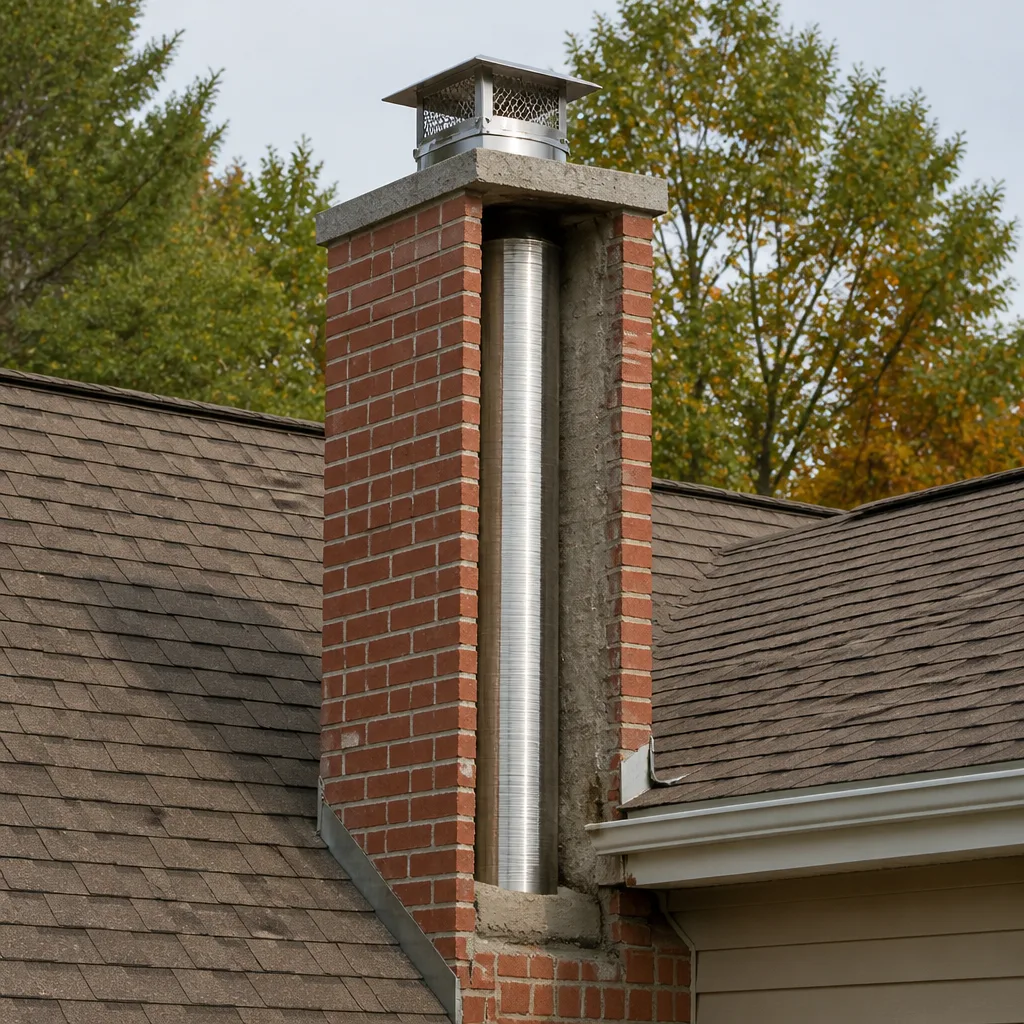 Flue relining
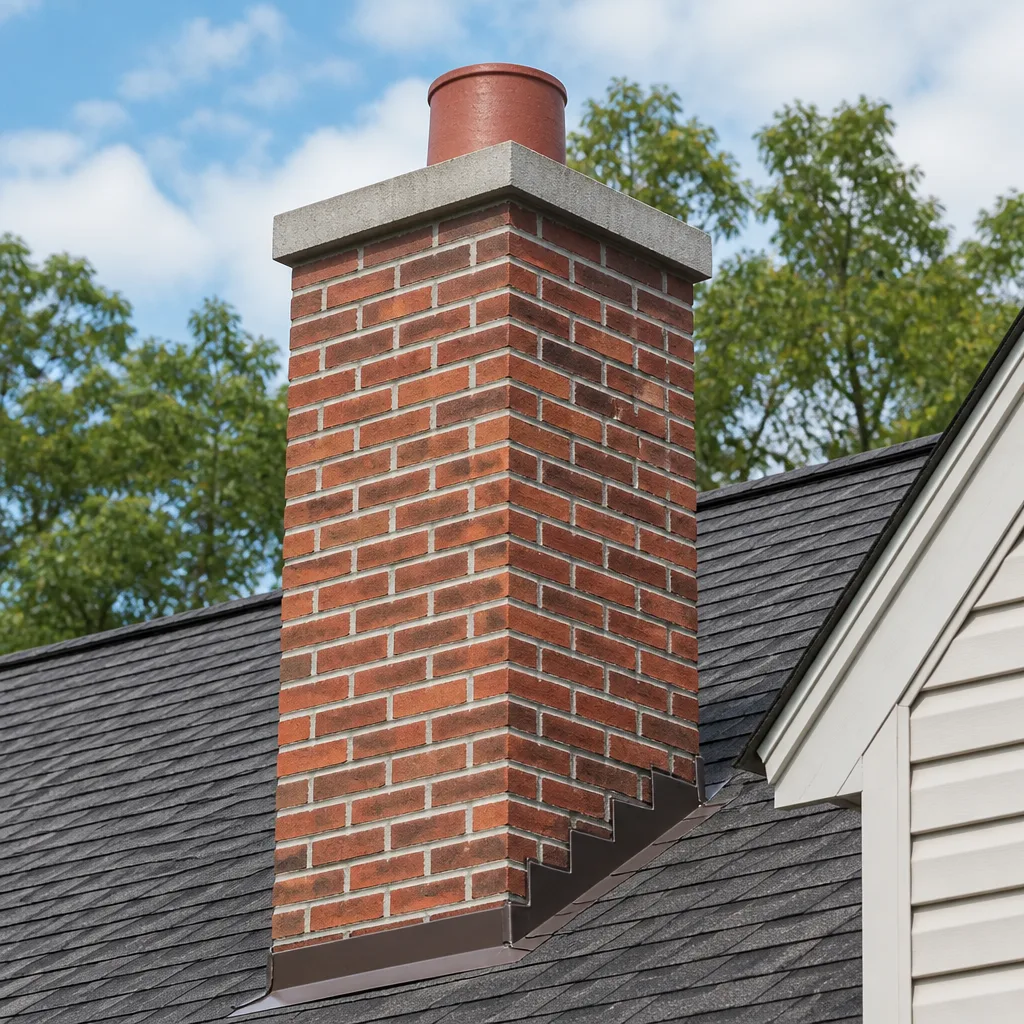 Masonry repair
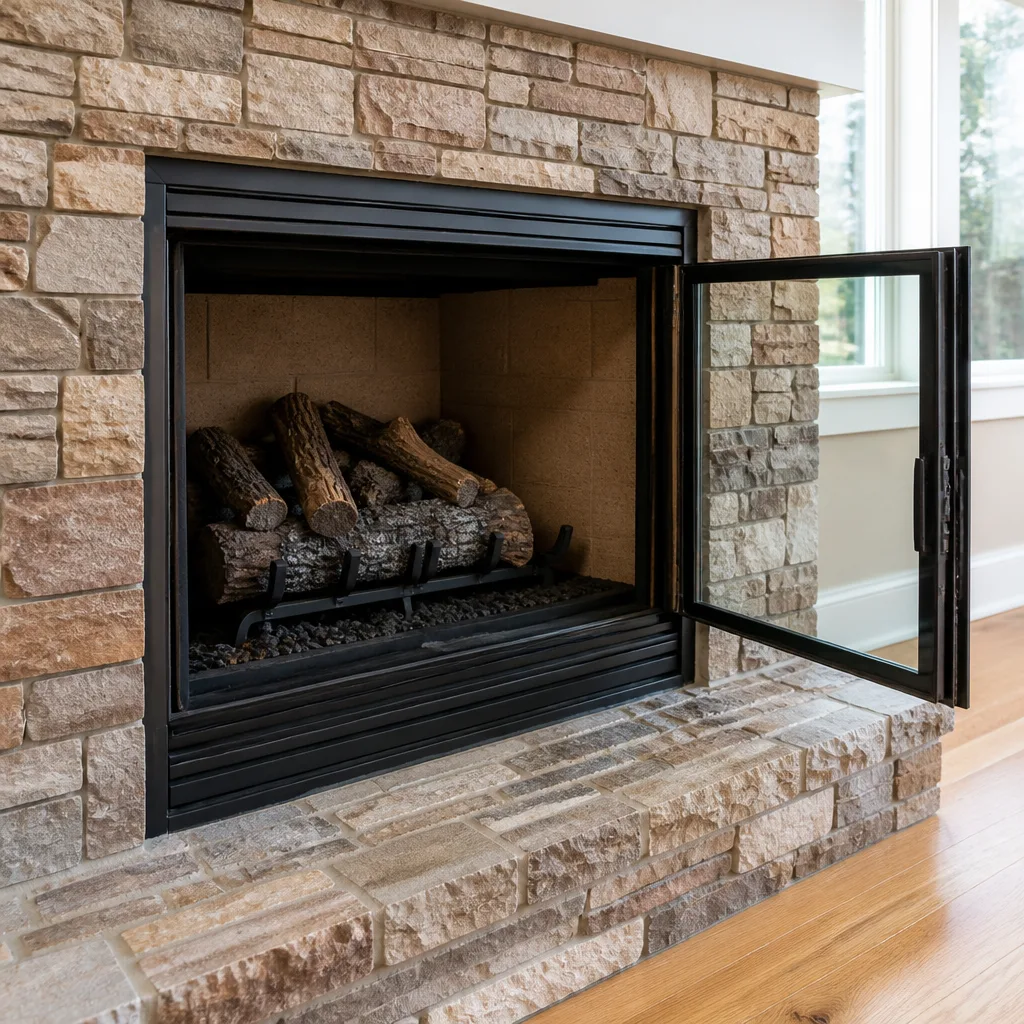 Gas fireplace service
Level 1 sweep and inspection to the NFPA 211 annual standard - flue, crown, cap, and flashing checked and photographed
Chimney sweep logs do not sweep chimneys. They loosen some creosote - which then falls where a brush and vacuum still have to collect it.
Seasonal Chimney Cleaning Care for Herriman: Year-Round Homeowner’s Guide
Most Herriman homeowners think about their chimney once a year, usually in October, when the first cold snap hits and someone wants a fire. That’s backwards. The season that does the most damage to Herriman chimneys isn’t winter at all. It’s summer, when monsoon moisture works its way into uncapped flues, cracked crowns and open mortar joints, and then sits there for weeks. Nothing burns during those months, so nothing gets inspected. By the time you light the first fire in fall, the damage has already happened. This guide walks through all four threat windows in the Herriman climate, what to check in each one, and how to build a sweep schedule that catches problems when they’re cheap to fix.
Quick Answer
Herriman chimneys need attention in all four seasons, not just before winter. Sweep in fall after the first few fires, watch for draft and odor changes mid-winter, assess freeze-thaw damage to the crown and mortar in spring, and check for moisture intrusion during summer monsoon season. A two-sweep-per-year schedule split spring and fall covers most actively used wood-burning fireplaces in Herriman without doubling your annual cost.
Styles & brands we work with
- Sweep & inspection
- Caps & crowns
- Flue relining
- Masonry repair
- Gas fireplace service
Table of Contents
- Why the Herriman Climate Puts Chimneys on a Four-Season Clock
- Fall: Why Sweeping After the First Few Fires Beats Sweeping Before
- Winter: Mid-Season Warning Signs That Justify a Call
- Spring: Freeze-Thaw Damage and the Best Window for Repairs
- Summer: The Season Herriman Chimneys Absorb the Most Moisture
- How to Stagger a Two-Sweep-Per-Year Schedule
- When to Book an Inspection Instead of a Sweep
- Common Mistakes to Avoid
Why the Herriman Climate Puts Chimneys on a Four-Season Clock
Herriman sits high in the Salt Lake Valley, at the foot of the Oquirrh Mountains, and that geography gives it a climate that swings hard between seasons. Winters are cold enough to drive constant firebox use for months. Spring brings a freeze-thaw cycle that works masonry joints like a slow chisel. Summer is dry for weeks and then delivers concentrated monsoon rain in short, heavy bursts. Fall is a transition month where overnight temperatures drop fast.
Each of those phases does something different to a chimney, and each one exposes a different weakness:
- Winter creates creosote, the tar-like residue of incomplete combustion that accumulates fastest in a cool, slow-burning flue.
- Spring pumps water into any crack in the crown or mortar joint, then freezes it overnight and expands it, widening the crack.
- Summer monsoon rain drives sideways into uncapped flues and wet masonry, which softens mortar and lets moisture reach the liner.
- Fall is when creosote from last season meets fresh deposits from the first fires, and when the whole system gets its real test.
That’s why we treat Herriman chimney care as a calendar, not an annual errand. The homeowner who checks in July spends far less than the one who discovers a cracked crown in November when the first snow melts down the flue and shows up as a stain on the ceiling. Chimney work done early is nearly always smaller and less expensive than the same problem found late.
One structural note before we go further: the flue itself, the crown, the cap and the firebox are all parts of one system. A chimney sweep that only brushes the flue without checking the crown and cap misses the parts that fail first in this climate. Our sweeps always include a visual check of the full system from the top down and the firebox up.
Fall: Why Sweeping After the First Few Fires Beats Sweeping Before
Most Herriman homeowners sweep in early fall, before they’ve lit a single fire. There’s a logic to it, but it’s the wrong logic for this climate. Sweeping after the first three or four fires is actually more useful, and here’s why.
Creosote hardens as it cools and sits. The stuff that accumulated last winter and sat through spring and summer has already cured into a hard glazed layer. Fresh creosote from the first few fires of the new season is still soft, still gummy, and still easier to remove completely. A sweep done after those first fires catches both the old deposit and the new one in a single pass, and it gives us a picture of how the current season is burning. That’s a real diagnostic: a flue that coats quickly with fresh creosote is telling us the wood is too wet or the draft is weak.
The fall sweep is also the right moment to check the cap before winter weather arrives. A chimney cap installed to manufacturer spec, sized correctly for the flue, keeps rain, snow, birds and debris out during all four seasons, and the fall check confirms it’s still sitting tight and undamaged.
Use this as a fall checklist, in order:
- Light three or four fires over the first week or two of the season, using well-seasoned wood.
- Book a sweep for the week after those fires so we brush both cured and fresh deposits at once.
- Have the technician note how fast the flue coated and whether the wood seems dry.
- Ask for a visual check of the cap, crown and flashing while the technician is up there.
- Any recommendations that come out of the sweep should be backed by photos of what we saw, so you can see the same thing.
One thing we recommend against is lighting a fire in a flue you haven’t had looked at in a few years. A blocked or heavily coated flue can push smoke back into the room, and long-term creosote buildup is the leading factor in chimney fires. If you’re not sure when the last sweep was, book a Chimney Sweep Herriman visit before the season gets going.
Winter: Mid-Season Warning Signs That Justify a Call
Most years, a fall sweep carries a Herriman home clean through winter. But some winters don’t go as planned, and there are specific signals that tell you an unscheduled look is worth booking. These aren’t reasons to panic, and in most cases they turn out to be minor. But they’re not signals to ignore either.
Here’s what we’d want to hear about if we were your chimney specialist:
- Odor changes. A fire that suddenly smells sharper, more acrid or more like tar than it did in early winter can mean creosote is building up faster than usual, or that combustion is running cooler and dirtier than it should. Wood that’s too wet is the most common cause.
- Smoke rollback. If smoke starts puffing into the room instead of drawing up the flue, the draft has weakened. Cold flues, blockages, or a partially closed damper are typical culprits, and it’s worth a look before it gets worse.
- Lost draft or a lazy fire. A fire that used to light fast now struggles to stay lit, or a stove that used to pull strongly suddenly feels weak. That’s often a sign of flue obstruction, soot buildup or pressure changes.
- Visible soot or staining. Soot streaks around the firebox or a developing stain on the chimney exterior means something’s wrong with the draw or the seal.
If any of these show up mid-winter, call for a look. It’s a small visit that can prevent a much larger repair, and the two possibilities – a quick brush-out or a more serious draft problem – both come with a clear answer only after inspection. If you’re outside our normal dispatch window when you notice a problem, call (833) 508-9248. We answer 24/7. Fast dispatch from 7am to 7pm, Sunday through Friday, and a call outside dispatch hours is booked into the next opening.
Spring: Freeze-Thaw Damage and the Best Window for Repairs
Spring is the most underused repair season in Herriman, and that’s a shame, because it’s the best one. The freeze-thaw cycle that runs from late winter into early spring is what does most of the structural damage a chimney sees in a year. Water gets into a hairline crack in the crown or a mortar joint on a chimney in the foothills, freezes overnight when the temperature drops below freezing, expands, and pushes the crack wider. Then it thaws, drains, and does the same thing again the next night. Repeat that cycle thirty or forty times and a small crack becomes a real opening.
Spring is the right time to look at it because two things are true at once:
- The freeze-thaw cycle has finished for the year, so the damage is stable and assessable.
- The summer monsoon hasn’t arrived yet, so repairs can cure and set before the moisture pushes again.
That combination gives any chimney repair a clean working window. Crown repairs done in April or May have all spring and early summer to cure before serious weather, which means longer service life from the same repair.
What we look for in a spring assessment:
- Crown condition. Hairline cracks that run through the crown, spalling chunks, or a crown that’s separated from the flue. All three allow water into the masonry below.
- Mortar joints. Joints that have gone soft, recessed or crumbly, especially on the south and west faces that take the most sun and thermal cycling.
- Spalling brick. Brick faces that are flaking or popping off, which means water is getting behind and freezing.
- Flue integrity. A camera inspection of the flue interior shows whether the liner has taken damage from above.
- Cap and flashing. The cap should be intact and correctly sized, and the flashing where the chimney meets the roof should be seated and sealed.
For crowns with surface damage rather than full failure, resurfacing with a professional-grade product like HeatShield seals the crown and the flue interior without a full rebuild. Full flue rebuilds or relines are done with DuraFlex liner systems or Olympia Chimney components, both of which are professional-tier materials, not the off-the-shelf pieces you find at a hardware store. Those choices matter more in this climate than most, because the freeze-thaw cycle doesn’t forgive weak materials.
Summer: The Season Herriman Chimneys Absorb the Most Moisture
Summer is when Herriman chimneys absorb the most moisture damage, and almost nobody checks them in July. That might be the single most important point in this guide. In a wood-burning chimney, the winter is when you notice problems and the summer is when the problems start.
Here’s what actually happens in the monsoon season. Short, intense bursts of rain come through and hit any chimney that’s uncapped or whose cap has failed. Water runs into the flue. A capped chimney stays dry, but an uncapped one doesn’t, and neither does one whose crown is cracked. That water either evaporates quickly or, if the flue is blocked or shaded, hangs around. When it hangs around, several things happen at once:
- Masonry softens. Brick and mortar that stay damp lose strength over time. Mortar joints that stayed tight through winter can go crumbly after one wet summer.
- Mold grows. Damp, dark, humid flues are an ideal environment. Mold doesn’t just smell musty; it can spread into the surrounding structure if the moisture keeps coming back.
- Liners deteriorate. A clay tile liner that has already taken a hit from freeze-thaw will absorb more moisture in summer and can crack further. Metal liners are more forgiving, but even those benefit from keeping water out.
- Staining appears inside. The first visible sign of summer moisture intrusion often shows up as a brown or yellow stain on the ceiling or wall near the chimney in late summer or early fall.
The fix is simpler than the problem. A properly installed cap, sized to the flue and fastened correctly, is the single most effective defense against summer moisture in Herriman. We install Gelco and Famco caps as part of our cap and crown service, and we size them for the specific flue rather than dropping on a universal fit. If summer is when moisture gets in, summer is also when to check that the cap is doing its job.
How to Stagger a Two-Sweep-Per-Year Schedule
For a home with heavy fireplace use through the winter, one sweep a year often isn’t enough. But two full sweeps in a season can feel like unnecessary cost, especially if the chimney looks clean from the firebox. The trick is to stagger them by season and let each sweep do a different job.
The schedule that works for most active wood-burning homes in Herriman looks like this:
- Spring sweep (April or May). This is the post-winter sweep. Winter is when the bulk of the creosote builds up, so this pass clears the whole season’s accumulation at once. It also gives us the cleanest look at the flue for a structural check right when the freeze-thaw damage is easiest to see and repair.
- Fall sweep (late September or October, after the first three or four fires). This is the pre-season sweep, timed to catch the fresh soft creosote from the first fires alongside anything the spring pass left behind. It’s also the natural moment to verify the cap and crown going into winter.
Two sweeps let you space out the rest of the care: a full inspection once a year, a camera check only when needed, and any fireplace repair done in spring when the working window is cleanest.
For a home with lighter use, one combined spring-fall sweep (usually scheduled in early spring) is often enough. A home with a wood stove used daily through winter, or a fireplace used most nights, is a better candidate for two. The difference between the two schedules isn’t really the cost of the sweep; it’s the timing of what you find. A creosote build-up caught in spring is a sweep. Caught in February, it might mean an emergency look at a flue that’s already giving you trouble.
If you’re not sure which schedule fits your home, that’s a fair question to ask before booking. A free estimate walks through the firebox, flue and cap condition, and the recommended schedule is based on what we see rather than a sales target.
When to Book an Inspection Instead of a Sweep
A sweep and an inspection are different services. A sweep cleans the flue. An inspection assesses the whole system: flue, firebox, cap, crown, and the surrounding structure, with a written report and photos of what we see. For several Herriman homeowners, an inspection is the right first call rather than a sweep.
Book an inspection rather than a sweep when:
- You’ve just bought a Herriman home. You don’t know the chimney’s history, and a pre-move-in inspection gives you a clear starting point.
- You’re selling. A written inspection report from a chimney specialist carries weight with buyers who want to know what they’re getting.
- It’s been years since the last sweep. What looks like a routine sweep is really an assessment of what’s been building up.
- You’ve had a chimney fire. Even a small one can crack a liner, and the flue needs a camera inspection before the next fire.
- You notice draft problems, odors or staining inside the home. These are signs of a system-level issue, not just soot.
- You’ve changed how you burn. Switching from an open fireplace to a wood stove insert, or back, changes the draft and creosote pattern.
An inspection is a named service in our menu, not an upsell bolted onto a sweep. If a sweep uncovers something, the inspection gives us the photos and the written assessment to know what it is and whether it needs work now or can safely wait. Nothing gets recommended without a picture of the evidence.
Common Mistakes to Avoid
- Sweeping only in fall. Fall is a good time to sweep, but it leaves the crown and cap unchecked through the summer, which is when they take the most moisture damage in Herriman. A spring sweep spreads out the work and catches freeze-thaw problems before they grow.
- Assuming a cap is optional. A Herriman chimney without a properly sized cap is a summer moisture sponge and a winter bird and debris trap. The cap is one of the least expensive parts of the system and one of the most protective.
- Skipping the flue camera check after a fire. Even a small chimney fire can crack a liner tile in a way that isn’t visible from the firebox. A camera inspection is the only way to know.
- Burning wet wood to “use up” a stack. Wood that isn’t dry enough burns cool and dirty, which deposits more creosote on the flue than dry wood. Herriman’s dry climate actually helps if you season your wood properly.
- Treating a stain on the ceiling as a paint problem. A brown or yellow stain near the chimney is usually water coming from the flue or crown, and it will come back until the source is fixed.
- Hiring a sweep who can’t do the repair. If a sweep finds a problem and says you’ll need a second company for the fix, you’ve added a step and maybe a markup. Going with a chimney specialist from the start keeps one contractor on the job from sweep to repair.
- Letting a small crown crack run a second season. The freeze-thaw cycle multiplies a hairline crack fast. Spring repair is nearly always cheaper than the fall version of the same problem.
See the difference
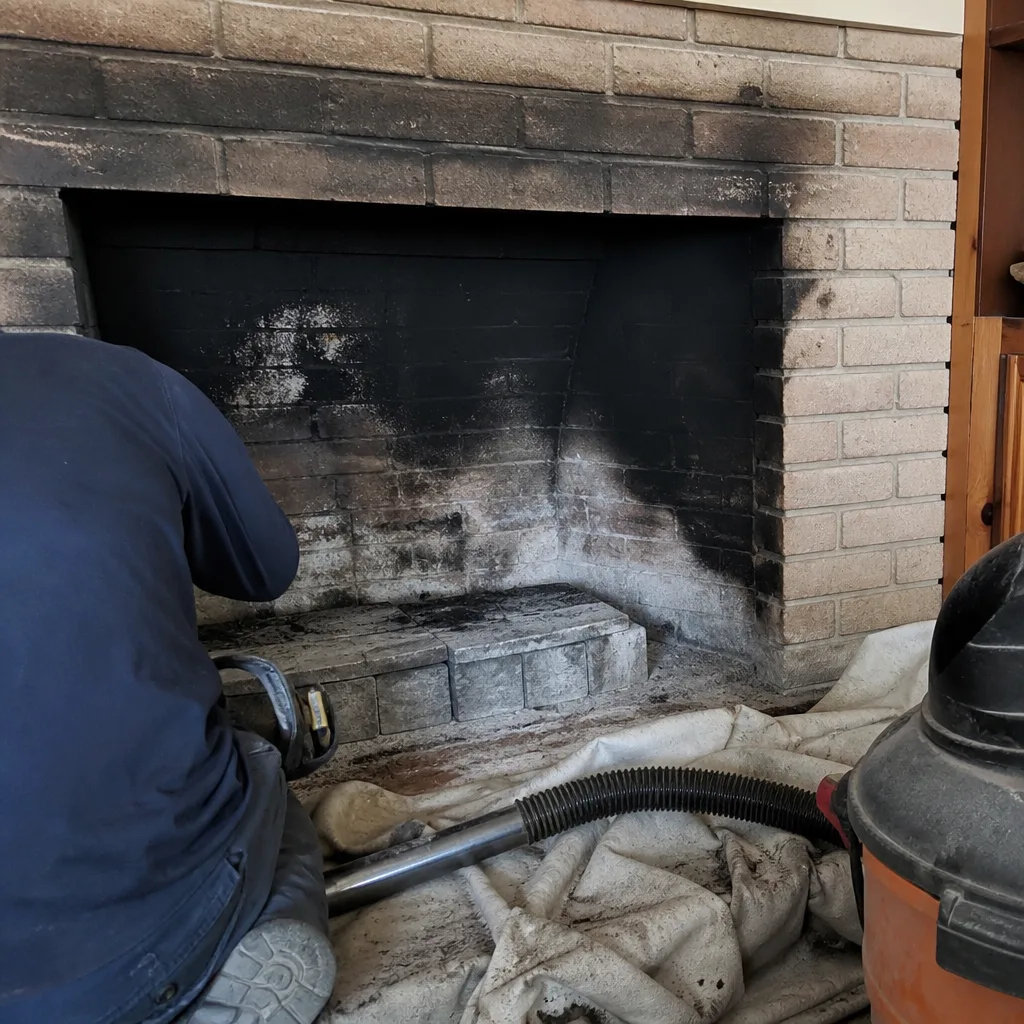 Before
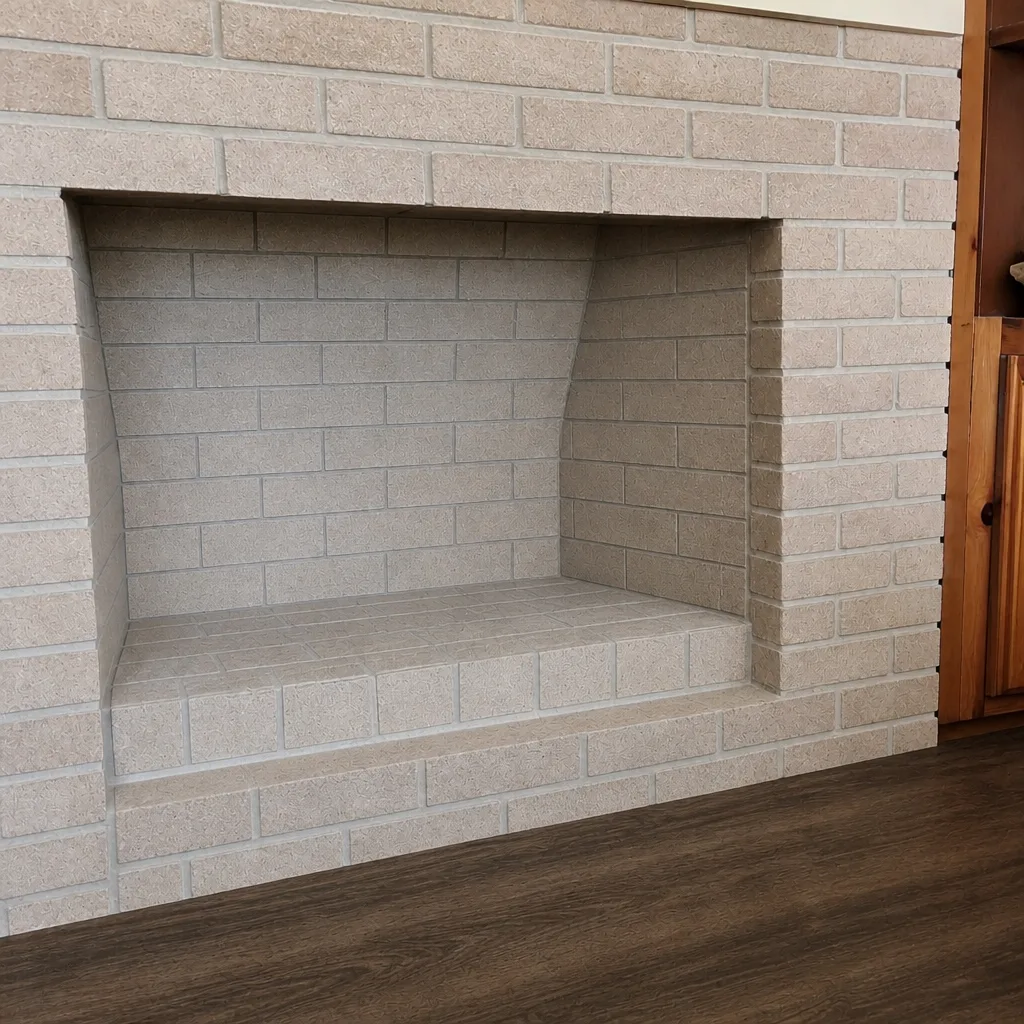 After
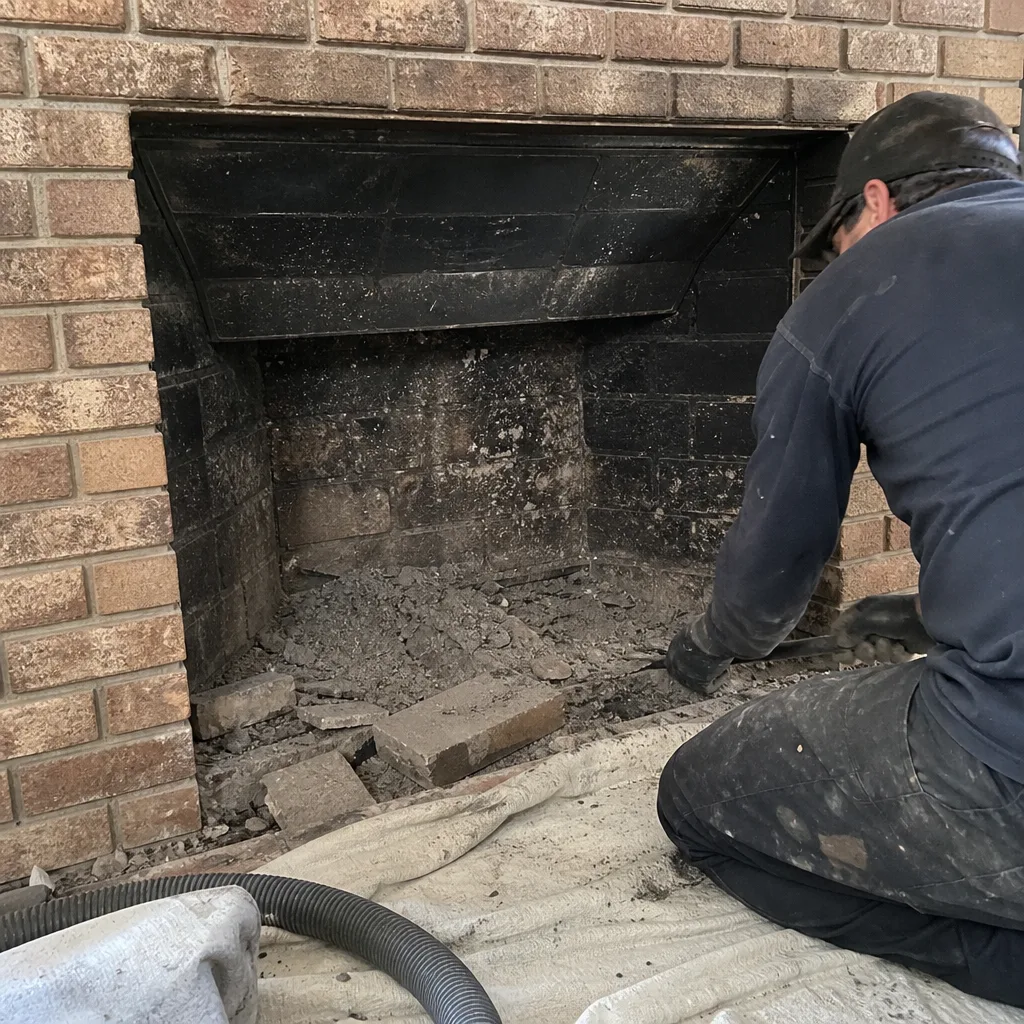 Before
 After
 Before
 After
When to Call a Professional
Call a professional any time smoke rolls back into the room, a fire struggles to draw, or you see soot streaks around the firebox. Book a sweep or inspection after a chimney fire, before you use an unfamiliar flue in a newly purchased home, and whenever your spring or fall sweep window comes around. High-tension components, gas lines and structural masonry aren’t places for guesswork, and a trained technician with the right tools and camera equipment can see what a flashlight from the firebox can’t. Chimney Sweep Herriman offers free estimates in Herriman; call (833) 508-9248. We answer 24/7, with fast dispatch from 7am to 7pm, Sunday through Friday.
Frequently Asked Questions
Active wood-burning fireplaces in Herriman should be swept at least once a year, and homes with heavy winter use often do better with two sweeps: one in spring and one in fall. The right answer depends on how much you burn and how dry your wood is. Call (833) 508-9248 for a free estimate, and we’ll tell you what your specific flue needs.
Yes. Monsoon moisture in summer is a real threat to Herriman chimneys, especially those without a correctly sized cap or with hairline cracks in the crown. Water gets into the flue and masonry, softens mortar, encourages mold, and accelerates liner damage. A cap check in early summer catches most of the risk before the first monsoon arrives. Call (833) 508-9248 if you’re not sure your cap is doing its job.
One sweep is enough for light-use fireplaces, but heavy-use wood stoves and fireplaces used most nights usually benefit from two. Stagger them: a spring sweep after the season and a fall sweep after the first few fires. That split lets you catch creosote before it hardens and check the crown when freeze-thaw damage is easiest to repair. Call (833) 508-9248 for a free estimate and a schedule recommendation.
Sudden changes in how the fireplace smells, smoke rolling back into the room, a lazy or struggling fire, or new soot streaks around the firebox are all worth a mid-season call. None of them means something catastrophic, but each is a sign worth checking. Call (833) 508-9248. We answer 24/7. Fast dispatch from 7am to 7pm, Sunday through Friday.
Treat a ceiling stain near the chimney as a probable sign of water intrusion from the flue, crown or cap, and book an inspection before your next fire. It won’t fix itself with paint, and it will keep coming back until the source is repaired. Call (833) 508-9248 for a free estimate and a camera-based assessment.
Yes. A sweep cleans the flue, and an inspection assesses the whole system with photos and a written report. Either one is a standalone service, so you can order what you actually need rather than a bundle. For a newly purchased Herriman home or a chimney that hasn’t been checked in years, an inspection is often the right first call. Reach us at (833) 508-9248 for a free estimate.
The Bottom Line
Chimney care in Herriman isn’t a once-a-year errand; it’s a calendar with four threat windows. Fall sweeping after the first fires catches fresh creosote. Winter signals like odor changes, smoke rollback or lost draft are worth a call. Spring is the cleanest repair window because freeze-thaw damage is stable and monsoon moisture hasn’t arrived. And summer is when the chimney absorbs the most moisture damage, which is exactly why the cap and crown matter more than most homeowners realize. Sweep, inspect, repair and cap the system as a whole, use professional-grade materials, and stagger the schedule so each visit does its own job. That’s the whole guide. If you’d like this year’s schedule mapped out for your home, Chimney Sweep Herriman offers free estimates. Call (833) 508-9248. We answer 24/7, with fast dispatch from 7am to 7pm, Sunday through Friday.
Written by the team at Chimney Sweep Herriman.