
Last updated November 24, 2026
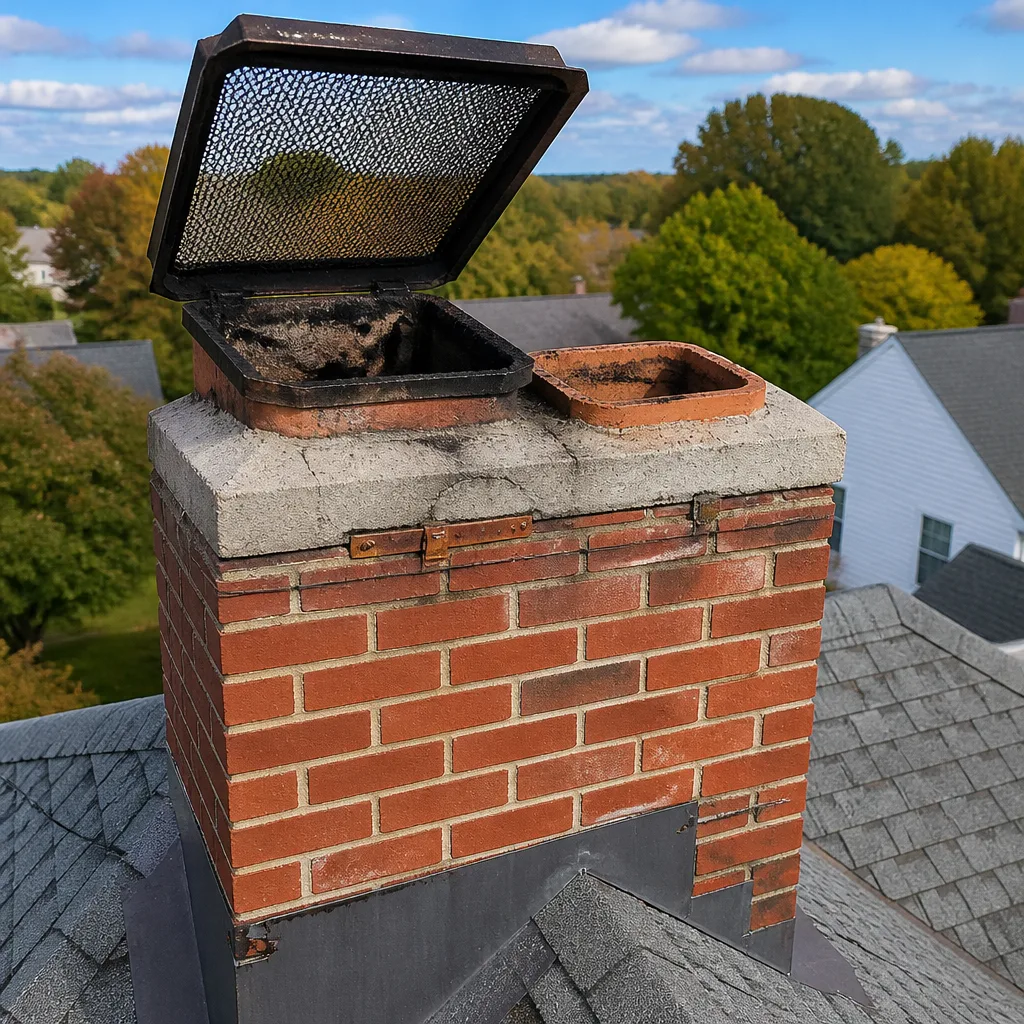 Sweep & inspection
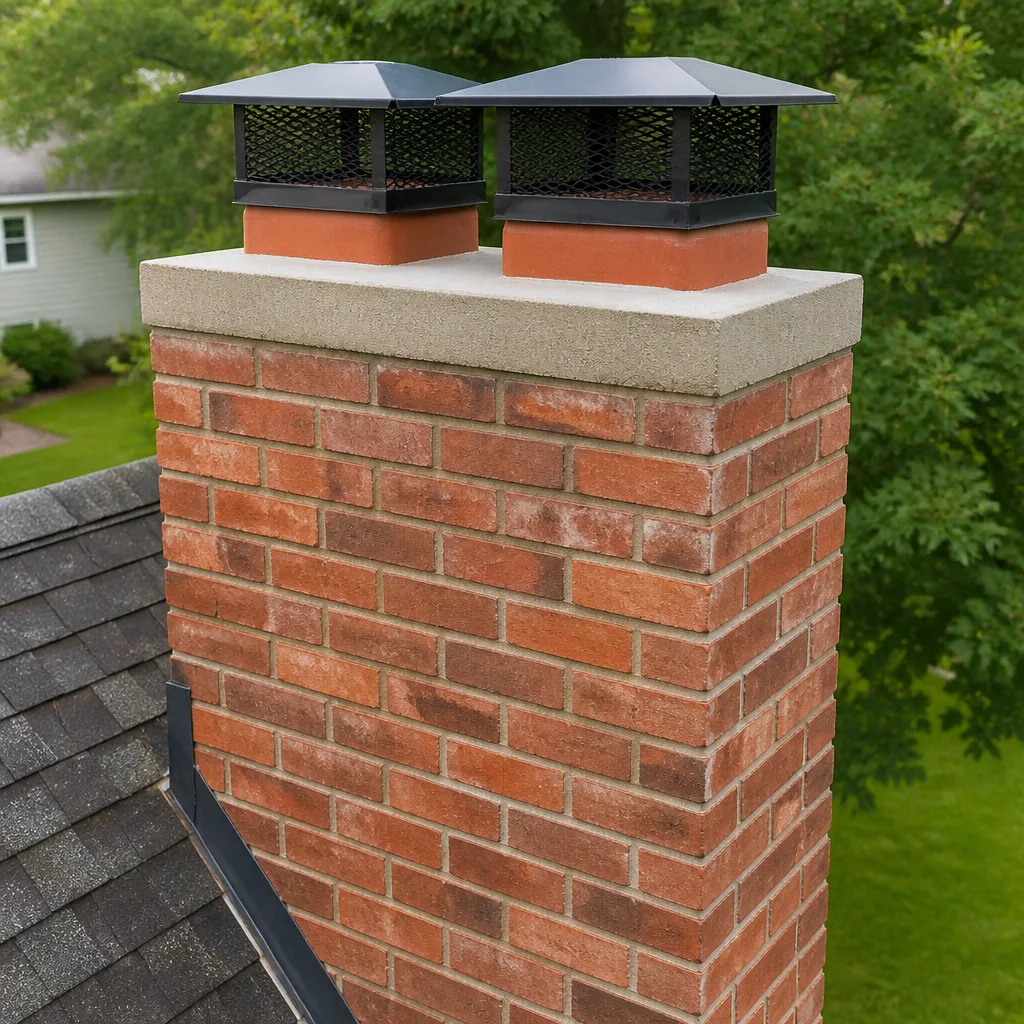 Caps & crowns
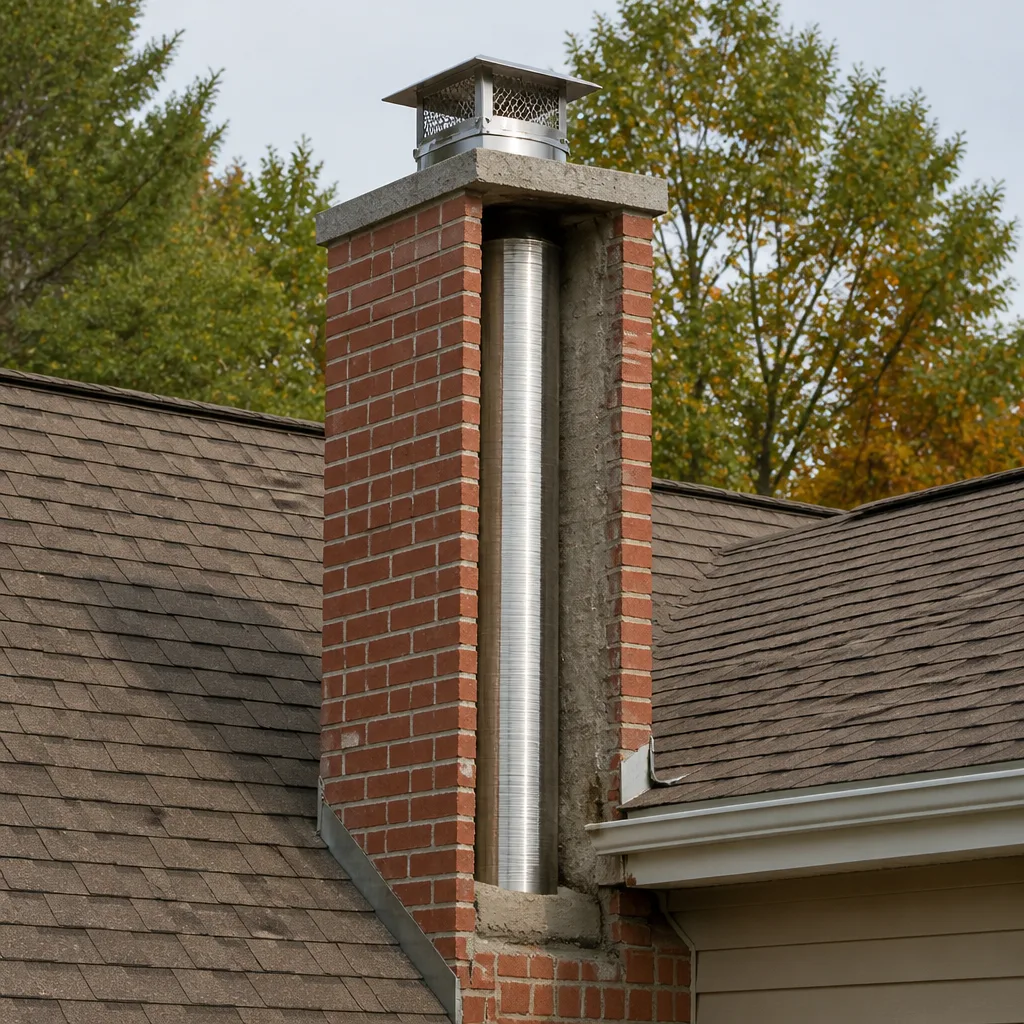 Flue relining
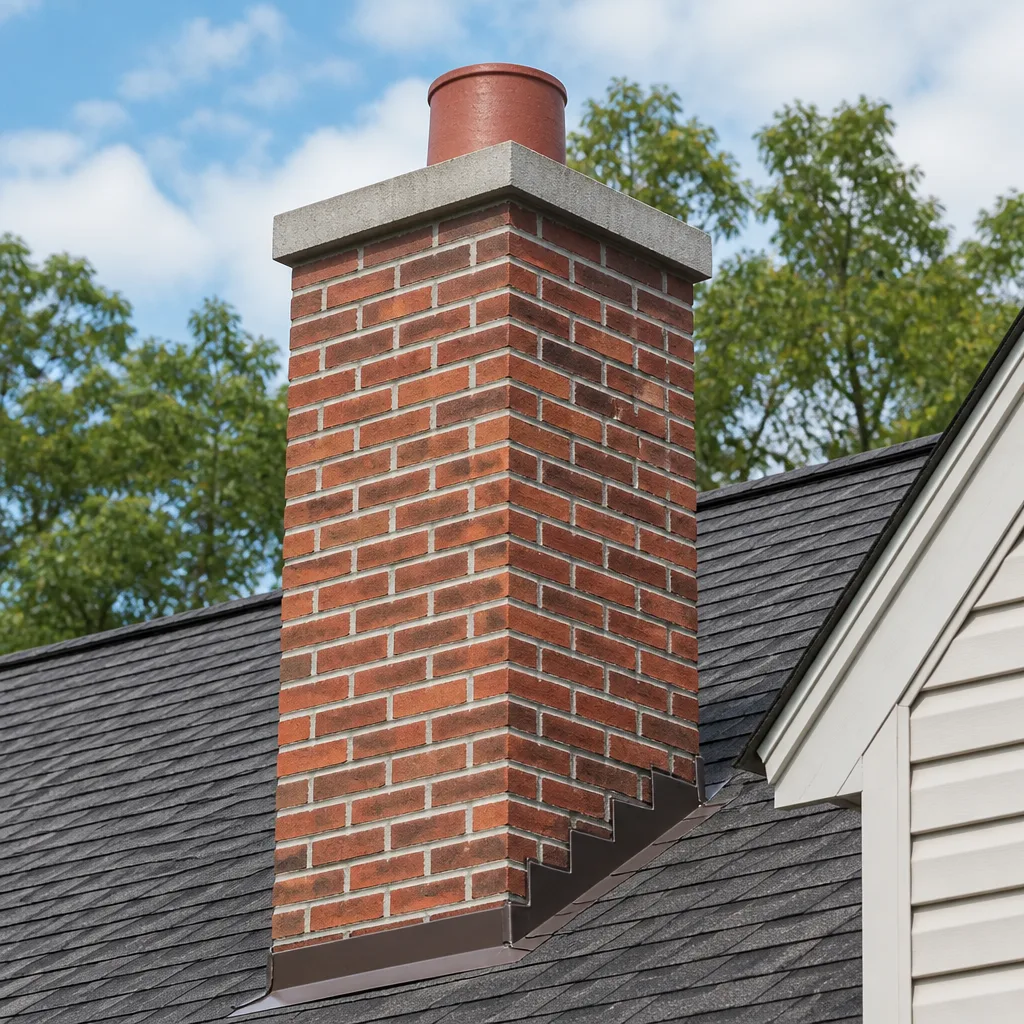 Masonry repair
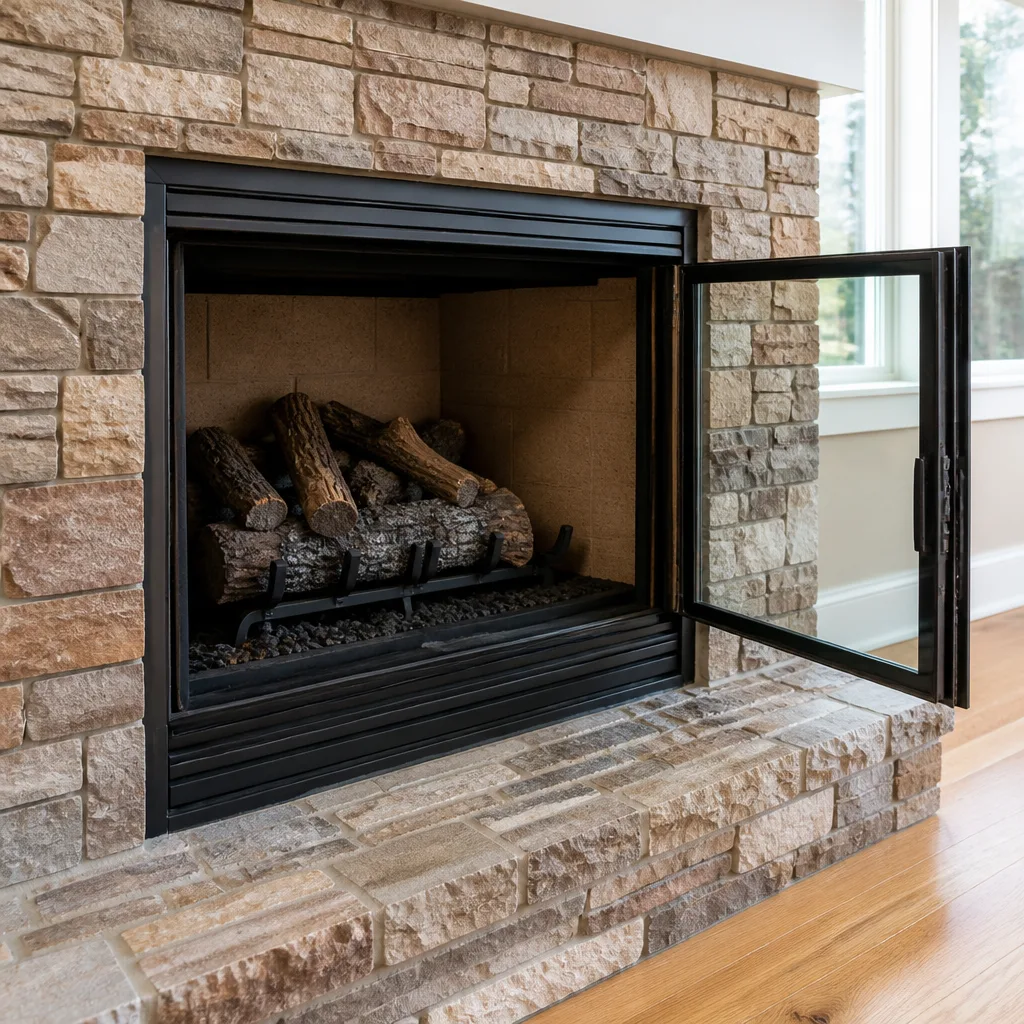 Gas fireplace service
Level 1 sweep and inspection to the NFPA 211 annual standard - flue, crown, cap, and flashing checked and photographed
Chimney sweep logs do not sweep chimneys. They loosen some creosote - which then falls where a brush and vacuum still have to collect it.
Chimney Cleaning Permits, Codes & Inspections in Herriman, UT: What You Need to Know
Most Herriman homeowners assume chimney work never touches the building department. Sweep the flue, patch a crack, swap a cap, done. That’s true for cleaning and minor maintenance, and it’s where the confusion starts. The moment a job changes the structure of the chimney or the venting of an appliance, Utah code treats it as an alteration, and alterations need permits. Unpermitted chimney work sits in your home’s record as a defect. In our experience, the homeowners who get burned aren’t the ones who skipped a sweep. They’re the ones who let a sweep reline a flue without paperwork and found out later. This guide draws the line clearly, in Herriman terms.
Quick Answer
Cleaning and sweeping a chimney in Herriman does not require a permit. Repairing, relining, or replacing a chimney liner, installing or swapping a wood-burning stove or fireplace insert, and structural masonry work on the chimney do require a permit through the Herriman City building department, pulled by the contractor doing the work, with inspection before the job is closed out. A chimney inspection is a separate service from a city inspection and doesn’t substitute for one.
Styles & brands we work with
- Sweep & inspection
- Caps & crowns
- Flue relining
- Masonry repair
- Gas fireplace service
Table of Contents
- Where’s the line between maintenance and alteration?
- How does the Herriman City permit process work for chimney work?
- What do IRC Chapter 10 and NFPA 211 actually require?
- What does “code compliant” on an invoice really mean?
- Level 1, 2, and 3 inspections: which one do you need?
- What’s your liability exposure when a contractor skips permits?
- Why Herriman chimneys face particular wear.
- A homeowner’s permit checklist.
Where’s the line between maintenance and alteration?
The distinction that matters most in Herriman is simple to state and easy to blur in practice. Maintenance keeps the chimney doing what it already does. Alteration changes what it does, how it’s built, or what it’s connected to. Maintenance is unpermitted. Alteration requires a permit. Here’s how the work we handle day to day sorts out.
Maintenance, no permit needed:
- Routine sweeping and creosote removal from the flue
- Level 1 visual inspection of an accessible chimney
- Removing bird nests, leaves, and debris from the firebox or flue
- Replacing a spark arrestor screen inside an existing cap
- Re-sealing a firebox door gasket or replacing firebrick that’s simply worn
- Cleaning soot from the smoke chamber by hand and brush
Alteration, permit required:
- Installing, replacing, or relining a flue with a flexible stainless liner (DuraFlex is the system we install)
- Resurfacing a damaged clay flue with HeatShield
- Installing a new wood-burning stove, fireplace insert, or freestanding appliance
- Changing the flue’s height, termination point, or draft configuration
- Structural masonry repair to the chimney stack, crown rebuild, or removal of a chimney below the roofline
- Any work that moves the chimney through a wall or roof assembly differently than it currently sits
The retrofit liner is where the line gets crossed most often in Herriman. A liner replacement changes the flue’s internal dimensions and its connection to the appliance. That’s an alteration to a venting system regulated by the residential code, and it’s a permit job whether or not the old liner was already failing. A sweep who tells you a reline is “just a repair” and doesn’t offer to pull paper on it has told you something about how they work.
How does the Herriman City permit process work for chimney work?
The permit is pulled by the contractor doing the work, not by the homeowner. That single fact answers most of the questions we get about the process. You don’t go to the counter for a liner. The company you hire files the application with the Herriman City building department, pays the fee, and is responsible for the inspection being scheduled and passed. If a contractor asks you to pull your own chimney permit, treat that as a signal about the relationship you’re about to have.
Here’s the usual sequence for a permitted chimney job in Herriman:
- The contractor assesses the job and confirms it’s permit-triggering work. Reline, appliance installation, and structural repair all fall here. A good one tells you before you sign, not after.
- The contractor files the permit application with the Herriman City building department. Plans, product cut sheets (DuraFlex liner specs, for example), and the scope description come along with it.
- The permit is issued and the fee is paid. Typical timelines run days rather than weeks for straightforward residential chimney work. The building department sets the exact review time, and it can stretch if the scope is unusual or the application is incomplete.
- Work proceeds to the point of inspection. For a liner, that generally means the liner is installed and visible for verification before the appliance is reconnected and the job is buttoned up.
- The inspection is scheduled, performed, and passed. The inspector checks that the installation matches the approved scope and the manufacturer’s requirements.
- The permit is closed. The closed permit is the document you’ll want on hand if you ever sell the house or file a claim.
One timing note specific to Herriman: chimney work slots fill up in the months before burning season starts, when homeowners book sweeps and inspections. Permitted repair work is best scheduled on the shoulder seasons rather than the first cold week of the year, when everyone wants the same appointment.
What do IRC Chapter 10 and NFPA 211 actually require?
Chimney work rests on two standards that most homeowners have never heard named. The first is Chapter 10 of the International Residential Code, which governs chimneys and fireplaces in residential construction. Utah adopts the IRC, so Chapter 10’s requirements are the baseline here. The second is NFPA 211, the Standard for Chimneys, Fireplaces, Vents, and Solid Fuel-Burning Appliances, which sets the installation and maintenance requirements for solid-fuel appliances and their venting.
Where they touch your home:
- Draft and clearances. IRC Chapter 10 sets the ten-foot, two-foot, three-foot rule for chimney termination above a roof, and the clearance between the chimney and combustible materials. A cap that changes the termination height or a stack repair that changes the profile falls under these rules.
- Liner requirements. NFPA 211 calls for a lined flue and sets out what the liner has to do. When a clay tile flue fails, a flexible stainless reline restores compliance. HeatShield resurfacing does the same job from the inside where the flue’s condition allows it.
- Appliance venting. A wood stove or insert has to be vented through a listed, appropriate flue connection. An insert pushed into a smoke chamber with a short piece of pipe and no liner behind it is a classic non-compliant installation, and one we’re asked about often.
- Inspection level. NFPA 211 sets the three inspection levels (Level 1, 2, and 3). The level required changes based on what’s happening at the chimney, whether it’s a routine annual check or a sale, appliance change, or suspected damage.
NFPA 211 also names the inspection standard every sweep should be working from. The standard addresses what a proper inspection involves and when an inspection at a given level is needed. A sweep who hands you a one-line invoice with “inspected” scrawled on it isn’t providing that. The scope of a real inspection is documented, with photos and a report, and it recommends work based on what the camera shows.
What does “code compliant” on an invoice really mean?
It should mean the work was done to the manufacturer’s installation instructions and the code standards above, that the appropriate permit was pulled, and that the installation passed inspection. That’s the standard the invoice should signal. Notice what’s missing from that definition: the words “code compliant” themselves.
The phrase gets used loosely. A sweep finishes a reline, writes “code compliant” on the bill, and moves on. But code compliance is a documented status. It belongs to a permit with a passed inspection, not to an opinion. When we work a reline or a HeatShield job, the paperwork trail is part of the job, not a bonus: manufacturer-spec installation, inspection, and a closed permit. If a contractor tells you a job is “code compliant” and can’t produce anything beyond the invoice, here’s what to ask.
- “Was a permit pulled for this job, and can you show me the permit number?” A permit number is traceable with the city. If there isn’t one and the work was an alteration, the job is unpermitted, full stop.
- “Was it inspected, and did it pass?” A passed inspection is a separate event from the install. Ask for the result.
- “What standard are you working from?” You’re looking for a clear reference to IRC Chapter 10 and NFPA 211, or to the manufacturer’s installation instructions for the product used.
If the answer to the first question is “we didn’t pull one because it wasn’t needed,” go back to the maintenance versus alteration split. A liner replacement isn’t maintenance.
Level 1, 2, and 3 inspections: which one do you need?
NFPA 211 splits chimney inspections into three levels, and which level applies depends on what’s happening at the house. Level 1 is what a routine annual check covers: the readily accessible parts of the chimney and firebox, inspected visually. Level 2 adds a video camera scan of the flue interior and access to areas that need a camera or a bit more dismantling to see. It’s the level required for a home sale, an appliance change, and any time there’s been an event that might have damaged the flue, such as a chimney fire. Level 3 is the deepest level, and it’s triggered by suspected concealed damage. It can involve opening walls to inspect the chimney itself.
Which one most Herriman homeowners actually need at a given moment:
- Annual habit, no known problem: Level 1. Pair it with a sweep so the flue is clean and the inspection isn’t looking through soot.
- Buying or selling a home in Herriman: Level 2. This has become a standard part of the pre-close process in the area, and a camera scan is the reason. A video record of the flue’s actual condition is what you want before closing on a house with a fireplace.
- Changing an appliance, adding an insert, or replacing a liner: Level 2, and it’s often part of the permitted scope.
- Signs of damage: a burned smell after a fire, visible cracks in the firebox, white staining on exterior brick, a chimney that’s lost pieces of flue tile, a house that smells of smoke on damp days. Level 2, and possibly Level 3.
Which level you need is decided by the sweep and agreed with you before the inspection. It’s not chosen to sell you the most expensive option. A Level 1 on a house with no history of problems is a perfectly good inspection. The inspection should tell you what it is which is why we list inspection as a standalone service rather than burying it under a sweep. It’s easy to inspect. It’s harder to trust a sweep who hands you a quote for thousands of dollars in masonry work without showing you the camera footage. He can’t expect you to verify that.
What’s your liability exposure when a contractor skips permits?
Here’s the part of this that sticks. Unpermitted structural work to a chimney doesn’t just live in the house’s record. It sits on the homeowner’s side of the table in nearly every dispute that follows. Insurance companies investigate claims, and a chimney fire, a carbon monoxide call, or a structure fire traced back to an unpermitted flue installation is the kind of investigation that goes looking for the permit. When it isn’t there, the work itself can become a reason a claim is disputed or denied.
The exposure adds up along several lines:
- Insurance. A policy generally assumes the home is built and maintained to code. Unpermitted, uninspected alterations to the venting system cut against that assumption. The result can be a fight at the worst possible moment.
- The sale of your home. Buyers and their inspectors in Herriman ask about chimney permits more often than they used to. A closed permit is a selling asset. A reline done with nothing to show for it is a negotiating liability.
- Correction costs. When a buyer’s inspector or the city finds unpermitted work, someone pays to open it up, redo to code, and inspect it properly. That someone is the current owner. The contractor who did it is usually long gone.
- Appliance change risk. A new stainless liner on an unpermitted installation can void a manufacturer’s requirements even if the liner itself is well-made. Professional-grade materials don’t fix bad paperwork.
Skip the permit and the risk isn’t that the city finds out. The risk is what happens when an investigator looks and can’t find anything.
Why Herriman chimneys face particular wear.
Where you live in Herriman changes how quickly a chimney gets to the point of needing a permit-triggering repair. Three things drive it here.
The first is burning. Herriman sits in a long, dry summer and a hard freeze season, and households in the newer subdivisions burn steadily through the cold months. Steady burning builds creosote in the flue, and creosote is what starts chimney fires. A fire inside a flue lined with clay tile can crack tile and expose the mortar behind it, which is exactly the condition that turns a sweep into a reline conversation. The seasonal timing matters: creosote builds fastest during the heating season, so the sweep happens before the first burn rather than after.
The second is the housing stock. Herriman has grown fast, and much of the housing is newer, with manufactured fireplaces and inserts rather than traditional masonry chimneys. Manufactured systems have their own venting requirements and their own component lines, and mistakes show up here more than anywhere else. We’ve opened up more than one insert installation that sat directly on the smoke chamber with the proper connection missing, which fails NFPA 211 and needs a liner and a permit to fix properly.
The third is the wind off the valley’s east side. Winter wind in Herriman drives rain, snow, and fine debris down an uncapped chimney. A missing or failing cap lets moisture into the flue, where it freezes and spalls the clay tile a little more every winter. A cap installed to spec, with a Gelco or Famco model matched to the flue, and a crown sealed against water penetration will keep the flue out of the reline category longer. Caps and crowns are closed as a matter of course while we’re already on a roof, and they’re worth more to the flue’s lifespan than a lot of homeowners realize.
None of this is a pitch for a reline. It’s the reason a sweep in Herriman hands you a camera report as part of the job. If the tile is sound and the cap is sealed, we say so, and nothing else needs doing this year.
A homeowner’s permit checklist.
Run through this before you sign off on any chimney work that isn’t a sweep.
- Ask whether the work is an alteration. Liner installs, appliance installs, and structural work are permit jobs. Sweeps, inspections, and cap and crown maintenance generally aren’t, but confirm with the contractor and with the Herriman City building department if you have doubts.
- Ask who pulls the permit. The contractor does, not you.
- Get the permit number before work starts. A permit filed after the fact is a red flag.
- Ask what the inspection will check. A liner’s inspection should verify the installation against the manufacturer’s specs and the approved scope.
- Get the inspection result. A passed inspection and a closed permit, confirmed in writing.
- Keep the documents. Permit, inspection result, and the installation paperwork for the products used. If your home goes on the market in Herriman, these are the first thing a buyer’s inspector will ask about.
Common Mistakes to Avoid
- Treating a liner replacement as “just a repair.” A sweep tells you the flue needs a reline and offers to do it on the spot with no permit, and it sounds like a favor. It isn’t. A liner install is an alteration and needs paper on it. The favor is the problem.
- Letting a sweep pull a permit for you and never asking for the result. A filed permit that was never inspected isn’t closed, and it doesn’t protect you. Ask for the passed result, not just the application.
- Assuming the home inspector’s chimney report satisfies NFPA 211. A general home inspector looks at a chimney from the outside and the firebox. A Level 2 inspection with a camera is a different service and a different standard. If the report says “chimney not inspected, recommend evaluation by a chimney specialist,” that’s your cue.
- Installing a wood stove or insert without contacting the building department. Appliance swaps are where unpermitted work clusters in Herriman, because they feel like swapping a fixture. They aren’t. Venting a solid-fuel appliance through the wrong flue connection fails NFPA 211 and can produce carbon monoxide in the living space.
- Using hardware-store liner components to save money. The liner is where the heat and the flue gases go. Cheaper components can fail the manufacturer’s installation instructions, which turns a permitted install into an uninspectable one. Professional-grade product lines exist for a reason, and a DuraFlex or Olympia Chimney system is built to be installed and inspected to spec.
- Waiting on a crown or cap until after the damage is done. A cracked crown lets water into the chimney’s structure. Water freeze-thaw in a Herriman winter turns a cheap crown repair into a structural one, and the structural one needs a permit.
- Skipping the sweep because you’re planning a repair anyway. The camera inspection has to look at a clean flue to see what’s actually there. Skip the sweep and the report is a guess.
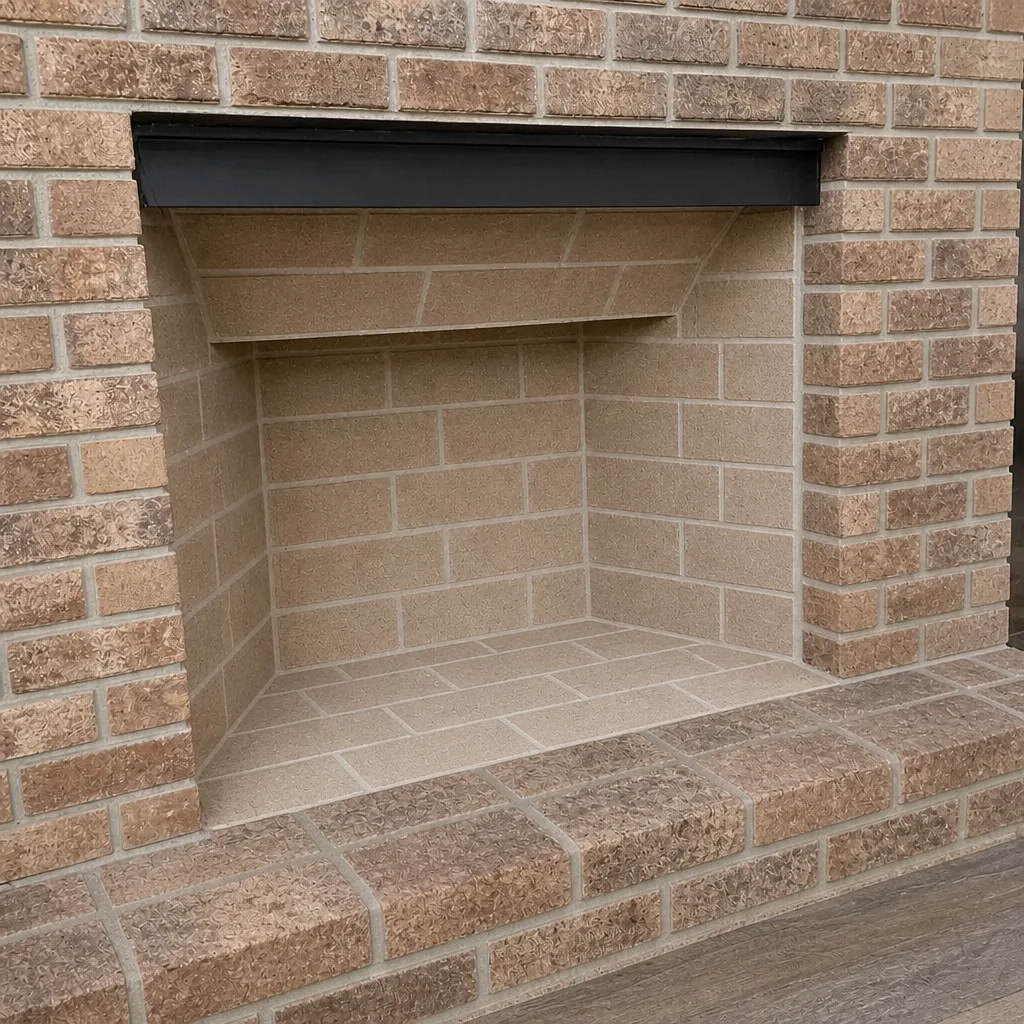
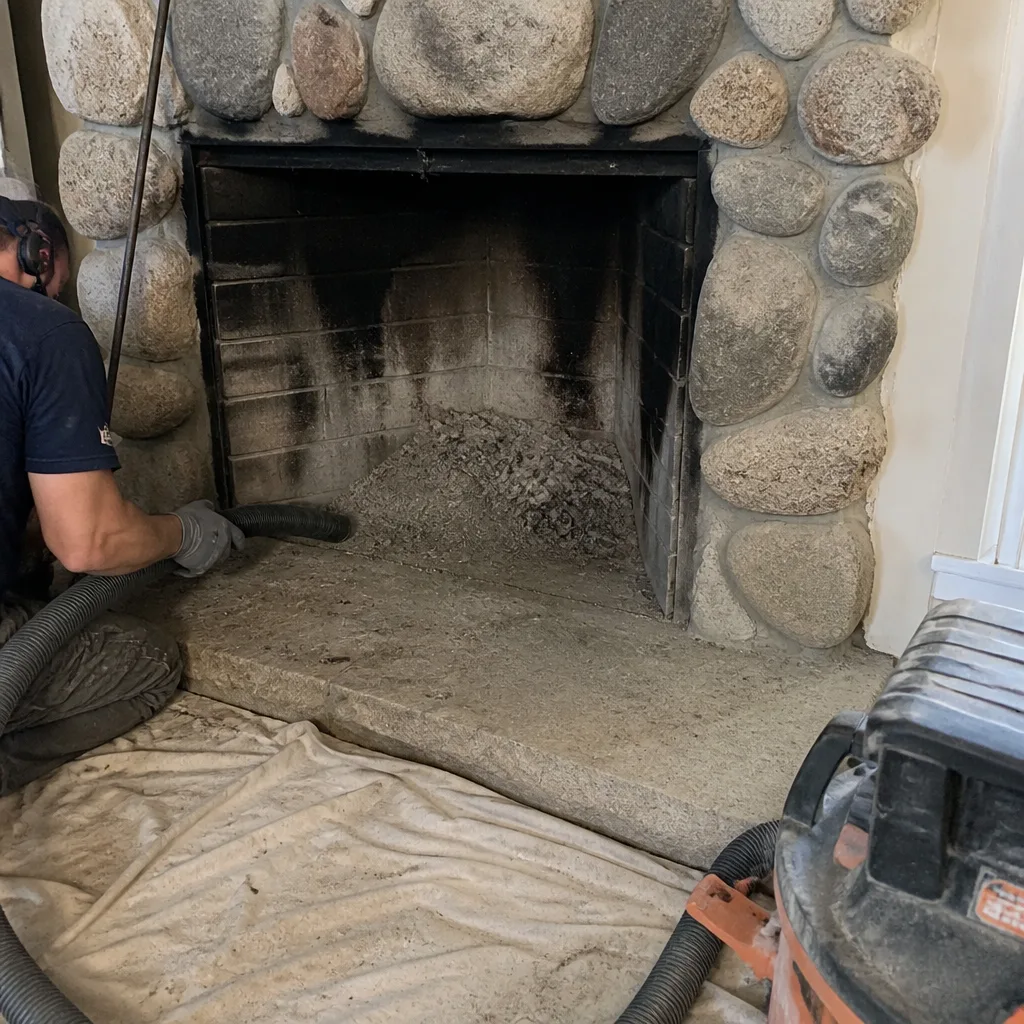
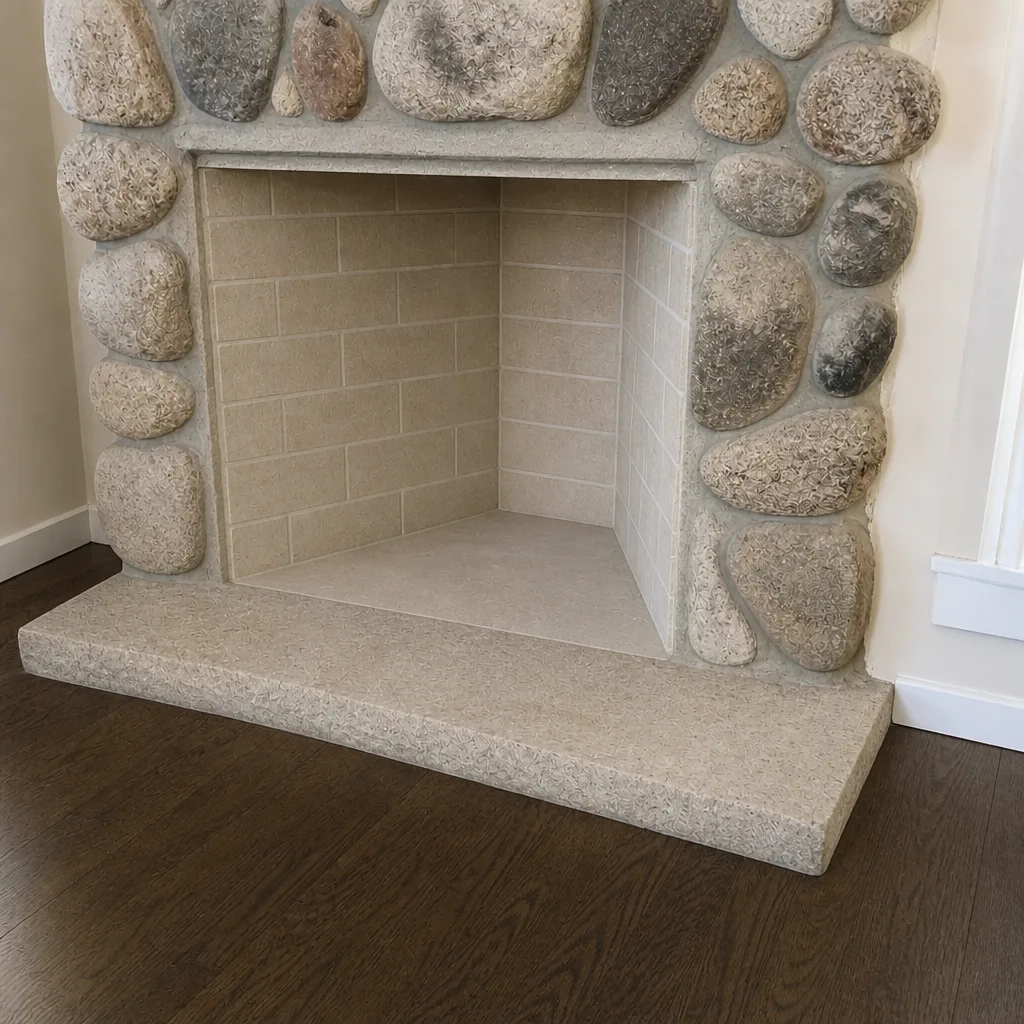
See the difference
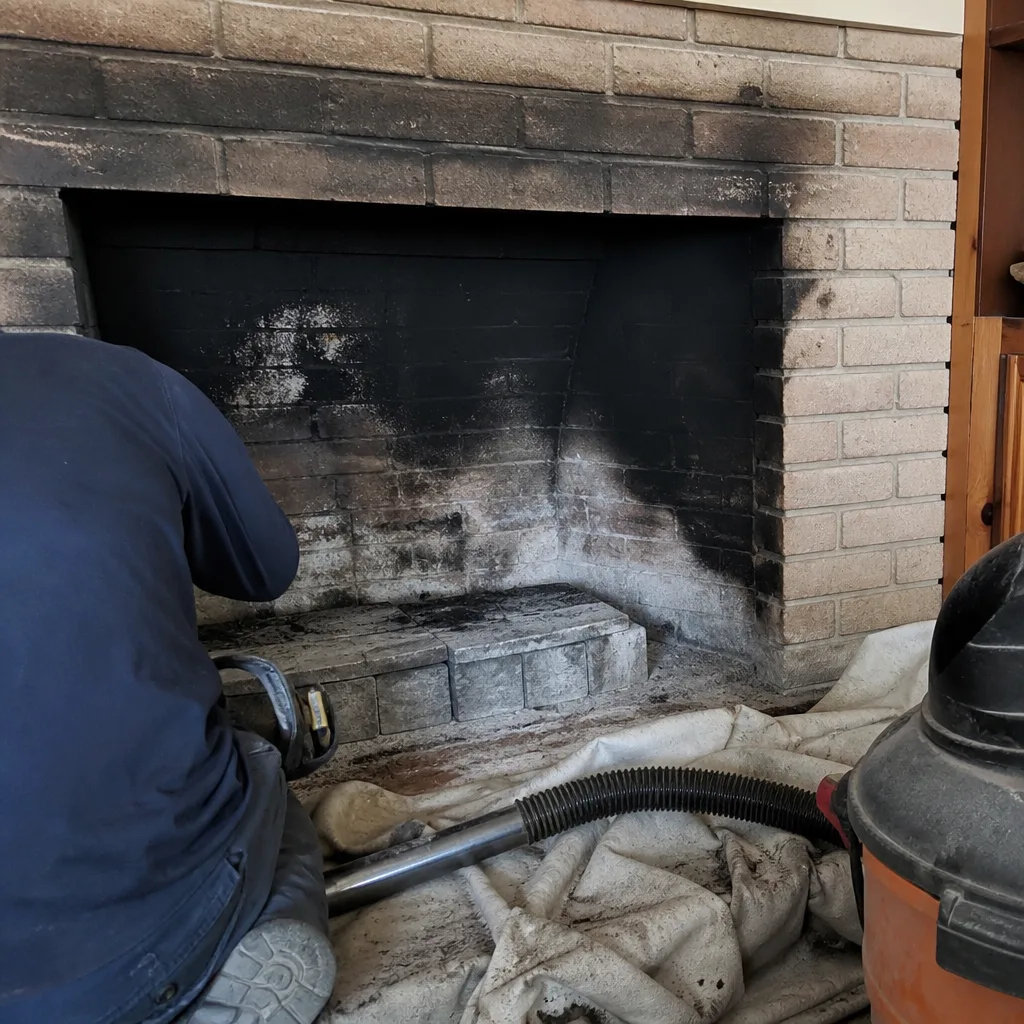 Before
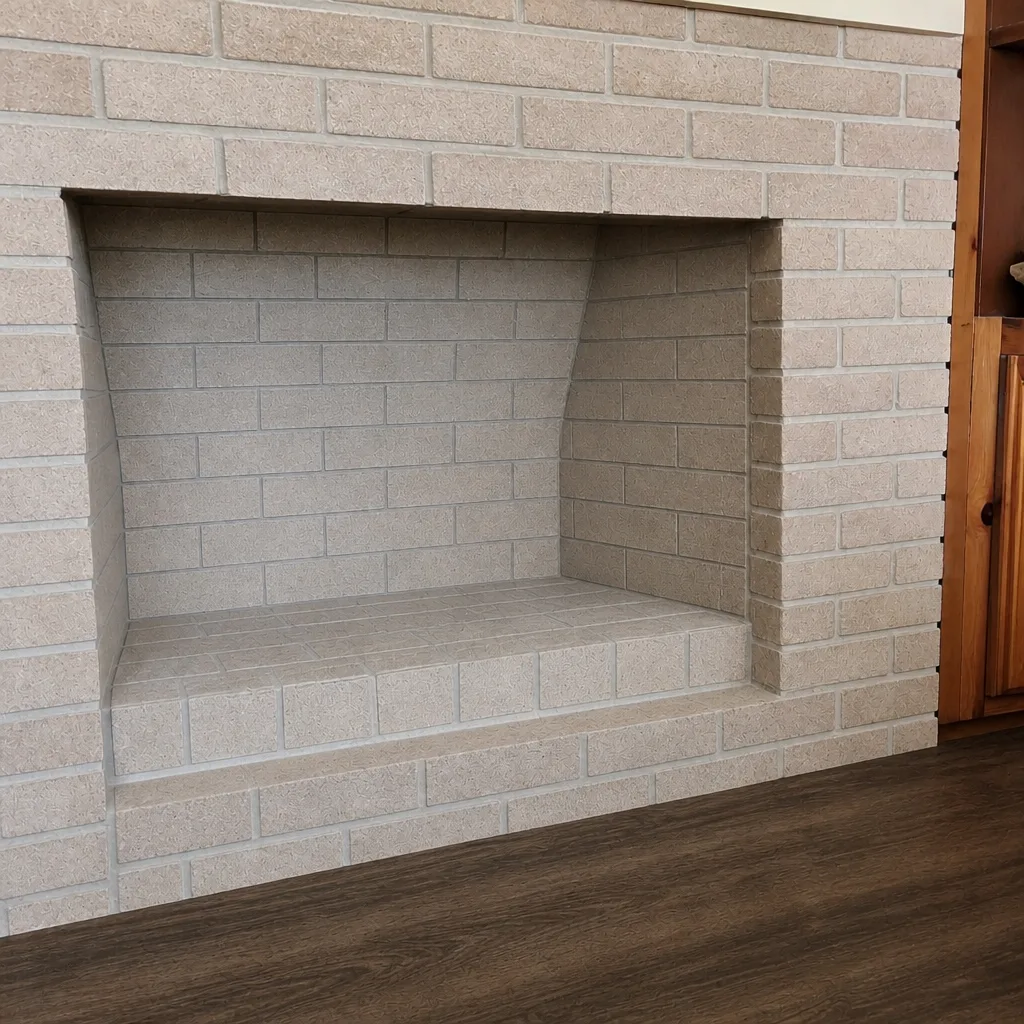 After
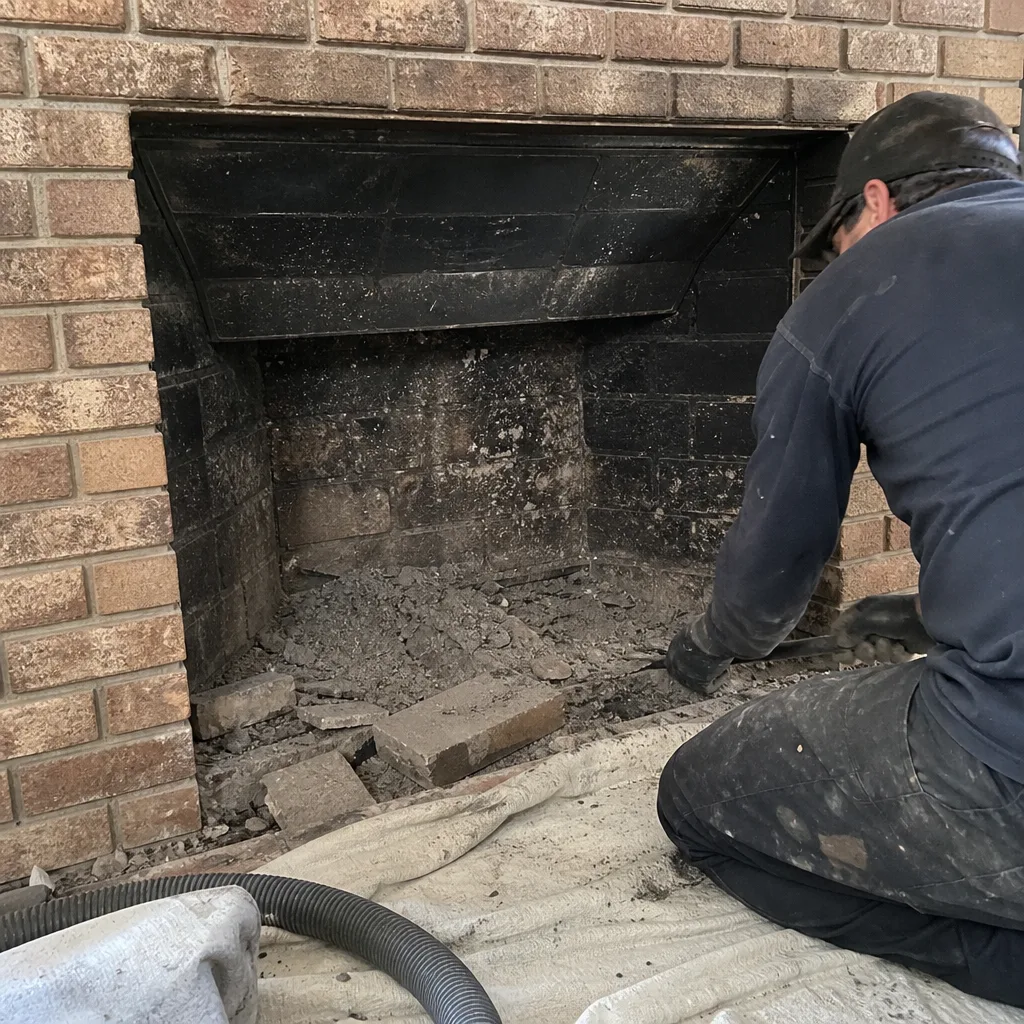 Before
 After
 Before
 After
When to Call a Professional
Call a chimney specialist when the problem is beyond a sweep and a visual look. That means a flue that’s cracked, spalling, or missing tile; a liner that’s failed or absent behind a new appliance; a stove or insert that hasn’t been properly vented; smoke that comes into the room on damp days or when the wind hits the house wrong; a chimney cap that’s gone or a crown that’s cracking; or a home purchase where you need a camera inspection before closing. Also call if a sweep has told you the chimney needs thousands of dollars of work and you want a second set of eyes on the footage. In our experience, a fair contractor will show you the photo and camera report and tell you plainly when the work can safely wait a season. Chimney Sweep Herriman offers free estimates in Herriman and works from a camera report every time. Call (833) 508-9248 to book a sweep or an inspection.
Frequently Asked Questions
No. Routine chimney cleaning and sweeping in Herriman doesn’t require a permit. Sweeping is maintenance, and it doesn’t change the chimney’s structure or venting. Repair work that does change those things, such as a reline or an appliance installation, does need a permit through the Herriman City building department. Call (833) 508-9248 and we’ll tell you which category your job falls in before you book.
Yes. Replacing a chimney liner is an alteration to the venting system under the IRC and NFPA 211, and it requires a permit through your city’s building department, inspected before the job is closed out. The same applies to resurfacing a failed clay flue with HeatShield where the work restores the flue’s compliance. Have the contractor pull it. Call (833) 508-9248 to book a liner assessment.
The contractor pulls the permit, not the homeowner. The company performing the work files the application, pays the fee, and is responsible for the inspection being scheduled and passed. If a contractor asks you to handle the permit yourself on a liner or appliance job, that’s a signal worth heeding. Call (833) 508-9248 with questions about scope before you sign.
They’re completely different services. A chimney inspection is performed by a chimney specialist to NFPA 211 standards, and it assesses the flue’s condition, with a camera scan at Level 2 and a written report. A city inspection is performed by the building department to verify permitted work was done to the approved scope. A Level 2 chimney inspection doesn’t replace a city inspection, and a city inspection doesn’t evaluate the flue’s condition. Call (833) 508-9248 to schedule the chimney inspection.
Yes. Unpermitted chimney work can become a problem at the sale, because a buyer’s inspector asks about chimney permits and a closed permit is the document that resolves the question. Without one, the work becomes a negotiating point and possibly a demand for correction. It can also complicate an insurance claim if the unpermitted work is involved in a loss. Keep the permit, the passed inspection, and the product documentation together. Call (833) 508-9248 for a compliance check on existing work.
Sweep annually if you burn regularly, and more often if you burn a lot of softwood or the flue builds creosote quickly. The sweep is where the permit conversation starts, because a camera scan after cleaning is what reveals whether the flue is heading toward a reline. Catch the failing tile early and the fix stays small. Let the flue go and you’re into permitted structural work. Call (833) 508-9248 to book a seasonal sweep before burning season.
The Bottom Line
Cleaning your chimney in Herriman doesn’t need a permit. Altering it does. The line runs between sweeping and inspection on one side, and relining, appliance installation, and structural repair on the other. When the work crosses that line, the permit is pulled by the contractor, the inspection verifies the install against the approved scope, and the closed permit is your documentation. “Code compliant” on an invoice means nothing without that paper. A camera report from a specialist tells you what the flue actually needs, and nothing gets recommended that you can’t see for yourself. From chimney sweep to chimney repair, the whole scope sits with one specialist who knows the standards and installs DuraFlex and HeatShield to manufacturer spec. If a sweep has told you the chimney needs work, get the camera report first. Start at Chimney Sweep Herriman, and ask about fireplace repair if the firebox is where the trouble is.
Call (833) 508-9248 for a free estimate. We answer 24/7. Fast dispatch from 7am to 7pm, Sunday through Friday.
Written by the team at Chimney Sweep Herriman.