
Last updated November 24, 2026
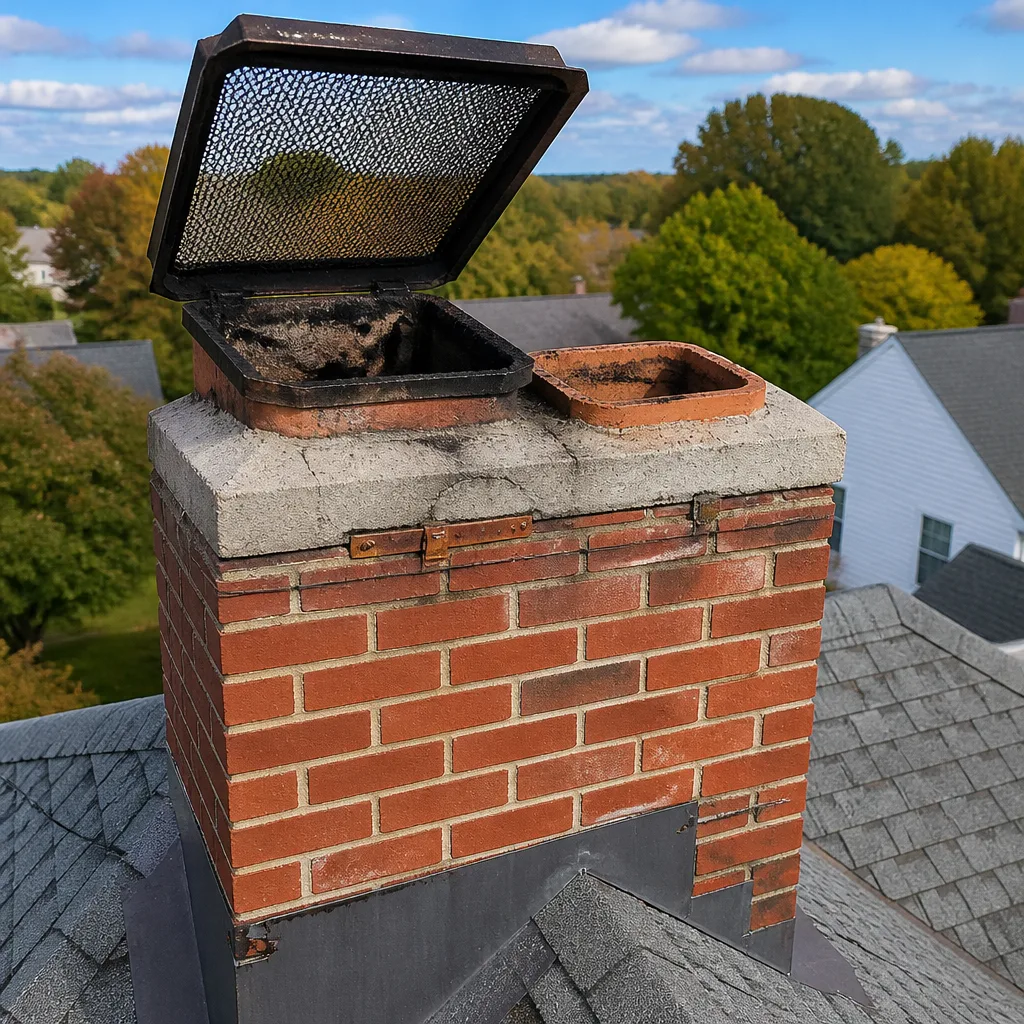 Sweep & inspection
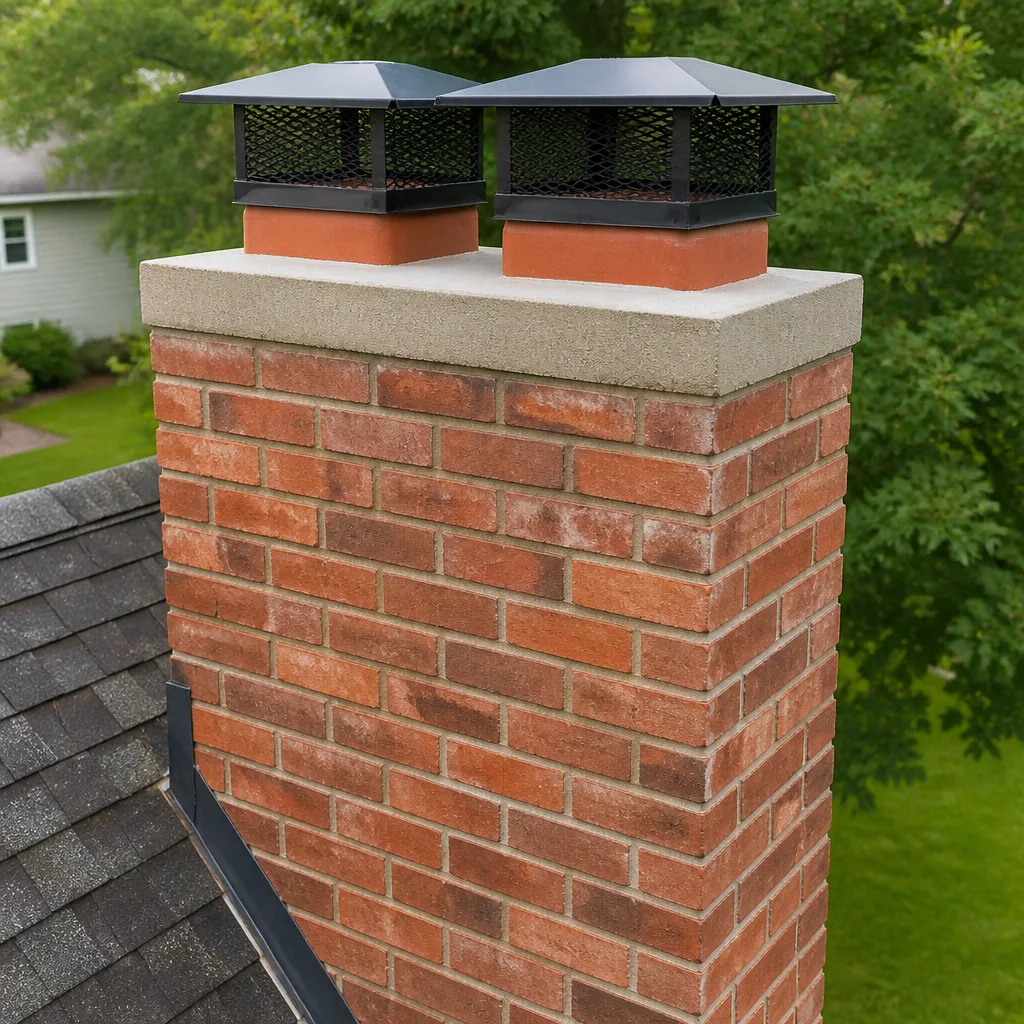 Caps & crowns
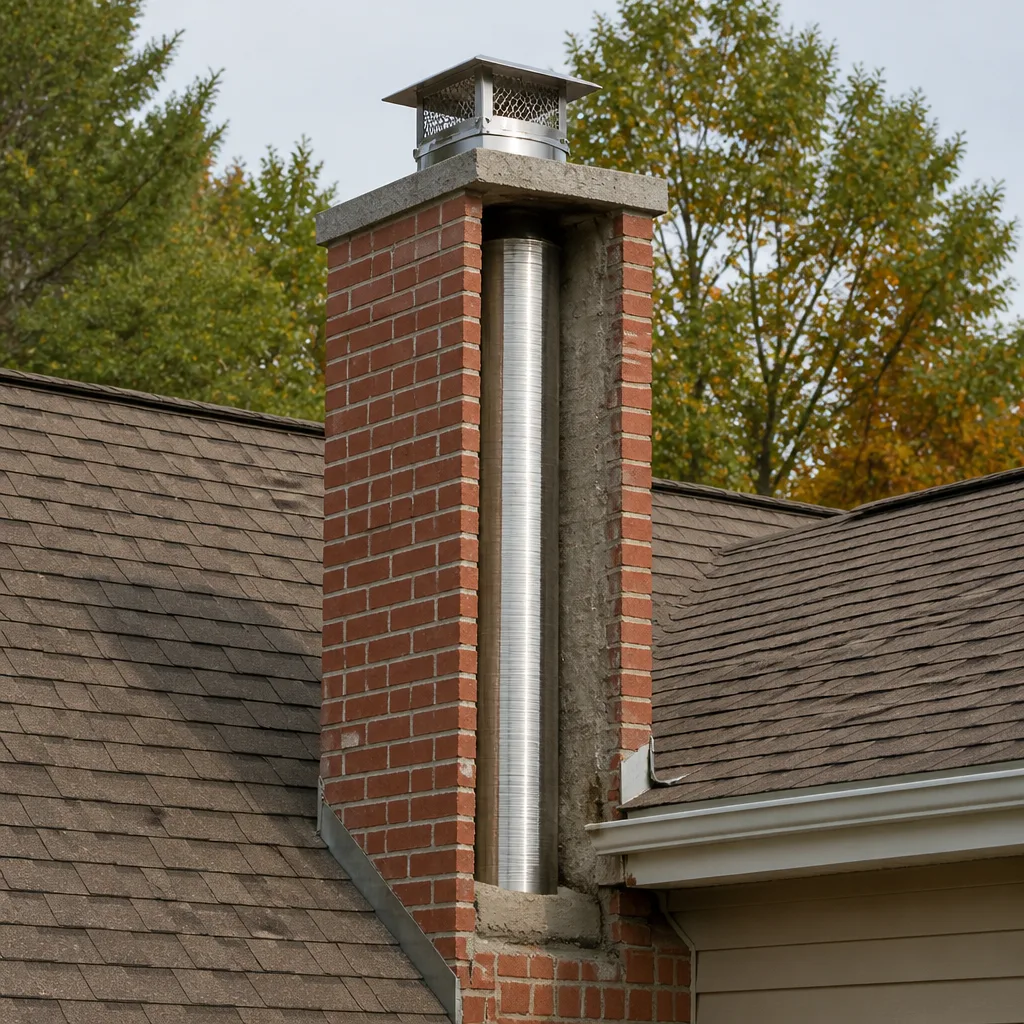 Flue relining
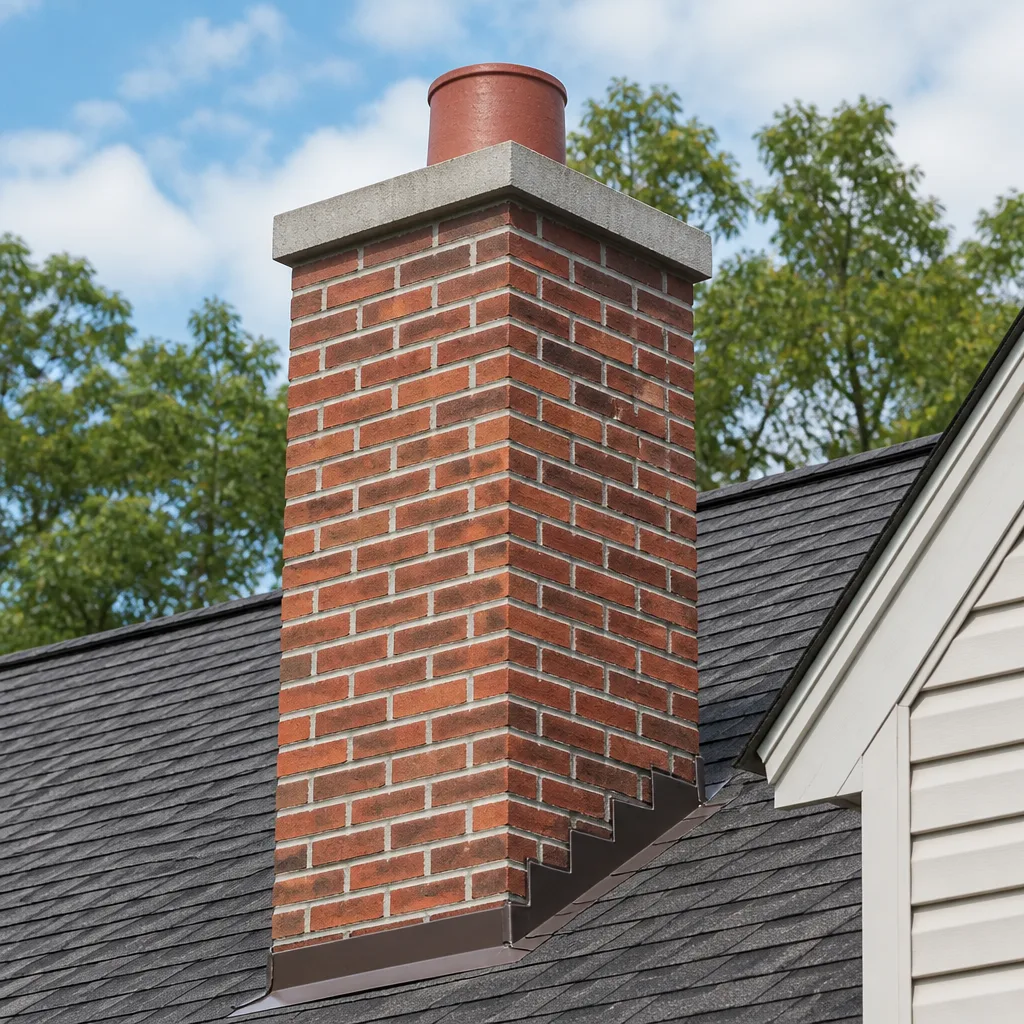 Masonry repair
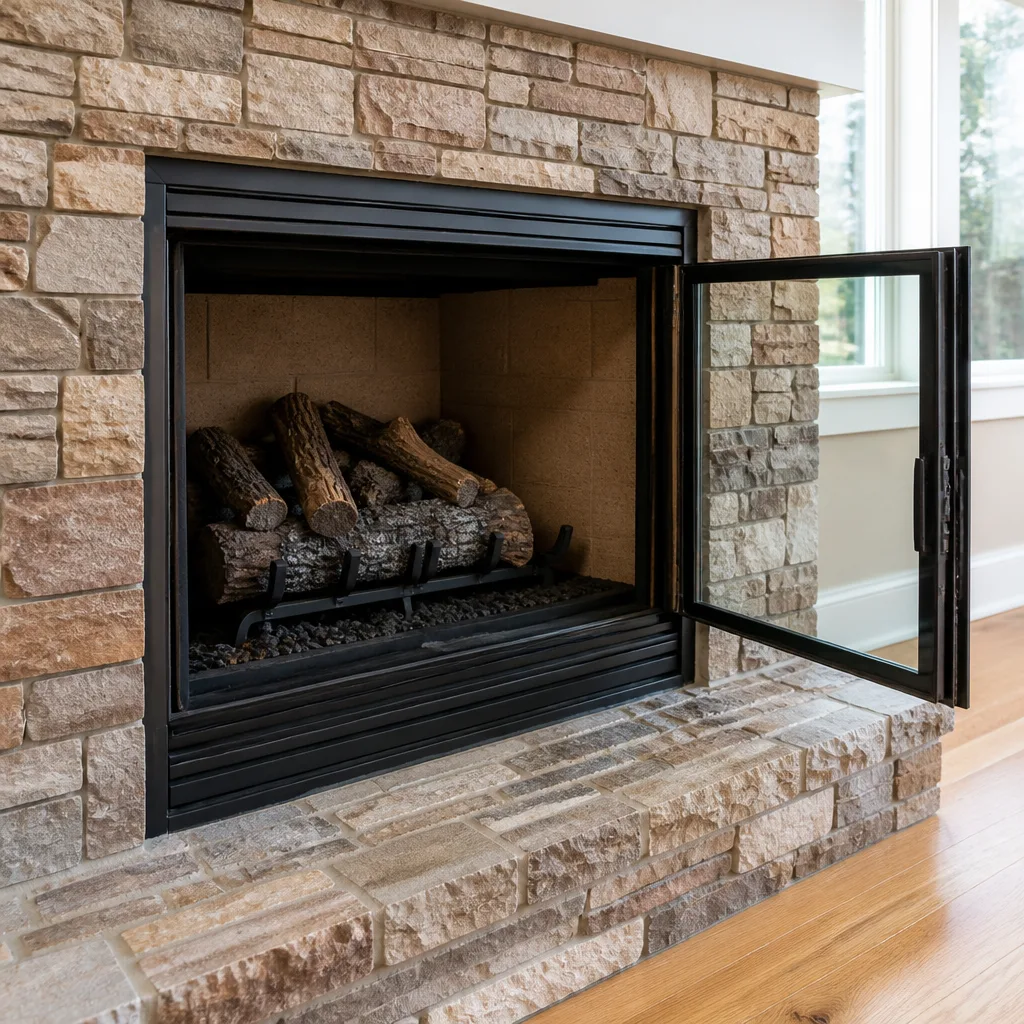 Gas fireplace service
Level 1 sweep and inspection to the NFPA 211 annual standard - flue, crown, cap, and flashing checked and photographed
Chimney sweep logs do not sweep chimneys. They loosen some creosote - which then falls where a brush and vacuum still have to collect it.
Choosing the Right Chimney Cleaning Brand: A Buyer’s Guide for Herriman
Two chimney sweeps can quote you the same price and deliver completely different results, and the difference usually isn’t effort or attitude. It’s the equipment and the products. A sweep working with a consumer-grade brush kit and a hardware-store cap is solving a different problem than a specialist running a professional rotary system and installing a liner built to manufacturer spec. Same visit, same invoice, very different outcome for your flue. This guide breaks down what those tools and materials actually are, why the grade matters in Herriman’s climate, and which questions separate a real chimney specialist from a generalist with a brush. You’ll finish knowing what to ask before you book anyone.
Quick Answer
The right chimney cleaning brand is the one that uses professional-grade equipment and materials for the job at hand: rotary cleaning systems for stubborn creosote, chemical treatments only when deposits demand them, and liner and cap systems engineered for the application rather than off-the-shelf substitutes. In Herriman, where wood-burning fireplaces and stoves run hard through cold winters, the grade of the tools and the materials behind them directly affects both how clean your flue gets and how long the repair lasts. Ask any sweep what brand and grade of equipment and materials they use, and treat an evasive answer as your answer.
Styles & brands we work with
- Sweep & inspection
- Caps & crowns
- Flue relining
- Masonry repair
- Gas fireplace service
Table of Contents
- Why the Grade of a Sweep’s Equipment Actually Matters
- Rotary Cleaning Systems vs. Push-Rod Brush Kits: What’s the Difference?
- Chemical Creosote Treatments: When They’re Necessary and When They’re Optional
- Liner Systems: Stainless Flexible, Rigid, and Cast-in-Place
- Caps, Dampers, and Herriman Winters
- Questions to Ask Any Sweep About Materials
- How to Read an Evasive Answer
- Why Full-Scope Chimney Specialists Beat Generalists
Why the Grade of a Sweep’s Equipment Actually Matters
A chimney sweep’s toolkit falls into two rough categories: what cleans the flue and what protects and repairs it afterward. Both matter, and both get cut first when a company competes on price.
On the cleaning side, the difference shows up in Stage 2 creosote, the glazed, tar-like deposit that hardens onto flue walls after repeated burns and cool flue temperatures. A standard push-rod brush scrapes the loose Stage 1 soot off the surface. It doesn’t touch glazed deposits, and if it does chip at them, it leaves a rough surface that grabs the next layer faster. Professional rotary systems spin a powered head against the flue wall, which is what it actually takes to break Stage 2 down. In our experience, the difference between a flue that gets back to bare masonry and one that just gets a fresh coat of black is almost always the cleaning system, not the technician’s work ethic.
On the repair side, the grade question is about materials: which liner alloy, which resurfacing compound, which cap. These aren’t cosmetic choices. A liner or a crown installed with the wrong product for the application will fail early, and the failure often shows up as water damage in the house long before anyone looks up the chimney.
For a Herriman homeowner, that matters because the local housing stock runs toward newer construction with wood-burning fireplaces and freestanding stoves used as real heat sources. A flue doing serious work through winter builds creosote faster than a decorative fireplace that gets lit a dozen times a season. The bigger the creosote load, the more the equipment grade decides the outcome.
Rotary Cleaning Systems vs. Push-Rod Brush Kits: What’s the Difference?
Rotary cleaning systems use a powered spinning head, sometimes with flexible rods or a cable, to scrub the flue interior; push-rod brush kits rely on hand pressure against a rigid or semi-rigid rod. Both are legitimate tools. They are not interchangeable for the same jobs.
Here’s the practical breakdown:
- Push-rod brush kits handle light, dry soot well. They’re inexpensive, portable, and fine for a flue that’s swept on schedule and never built heavy glaze. They struggle with Stage 2 creosote.
- Rotary systems like the SootEater style of tool and professional rotary heads used by specialist sweeps spin against the flue wall to break glazed deposits loose. They handle the harder jobs and, when matched to the flue type, clean without gouging masonry or scoring a liner.
- Combination approaches use rotary heads first to knock down heavy deposits, then finish with brush passes and a visual check with a camera. That sequence is what gets a flue back to a condition you’d actually want to burn in.
The important part for a buyer isn’t the brand name of the tool. It’s whether the company owns and uses the right system for what your flue actually needs. A sweep who only carries push-rod brushes will either skip the Stage 2 or tell you it can’t be cleaned without replacing the liner, and neither of those is a great answer. A sweep who runs rotary equipment can take the glaze down and then advise you on whether the liner underneath is still sound.
For Herriman, where cold winters keep the firebox running hot and then cooling overnight, glazed creosote is a real scenario. A fireplace that gets fed a steady diet of smoky burns and then idles cold between sessions is a creosote factory. Rotary capability isn’t a luxury here; it’s the tool that solves the actual problem.
Chemical Creosote Treatments: When They’re Necessary and When They’re Optional
Chemical creosote treatments are not a substitute for a proper sweep, and they shouldn’t be sold as magic. Used correctly, they change the physical structure of stubborn deposits so the mechanical cleaning can actually take them off. Used carelessly, they’re an upsell.
Products like Anti-Creo-Soot work by reacting with the creosote to make it more brittle and easier to break down. Applied as a powder or a spray over a burn cycle, they don’t dissolve the deposits; they soften the hardened glaze so a rotary head can do its job. That’s a real, mechanical benefit. When a flue has a serious Stage 2 load, a chemical treatment applied in advance of the sweep makes the cleaning more effective and, in our experience, safer for the flue surface than brute-force scraper work.
When are they necessary? A few situations:
- Heavy or hardened glazed creosote that resists a first rotary pass. A treatment softens the layer for the next visit.
- A flue with a history of chimney fires, where deposits have baked into hard glazed structures.
- Stoves and inserts run at low burn temperatures, where the flue runs cool and deposits condense rather than burn off.
When are they optional? On a flue that’s swept on schedule, has light Stage 1 deposits, and drains well, a chemical treatment is not required and shouldn’t be pushed. The honest answer is: we inspect before we recommend, and no treatment gets applied unless the camera footage shows deposits that justify it.
Liner Systems: Stainless Flexible, Rigid, and Cast-in-Place
Liner systems come in three broad families, and matching the material to the flue and the appliance is where a specialist earns their keep. A flexible stainless liner is the workhorse for most relines; a rigid liner suits certain straight runs; a cast-in-place system like HeatShield handles an existing flue that needs resurfacing rather than replacement. DuraFlex is the flexible stainless system we work with for standard relining applications.
Here’s how each is used in practice:
- Flexible stainless steel liners (DuraFlex) suit most fireplace and stove relines, including jobs where the flue has to route around an offset or a bend. They get installed with the correct appliance connection, the right alloy for the fuel, and insulated or uninsulated per the manufacturer’s spec.
- Rigid stainless liners fit straight, unobstructed flue runs and offer a high level of structural rigidity. The application is narrower, so a specialist will only recommend one when the flue geometry supports it.
- Cast-in-place systems like HeatShield resurface an existing damaged flue from the inside out. When the flue is cracked, spalling, or has an irregular surface, resurfacing can restore it without a full reline. It’s a structural repair, and it requires the right tools and the right mix; not every sweep carries the capability.
In the Herriman climate, the choice often hinges on how the flue handles the freeze-thaw cycle through winter. A flue that’s been taking on water from a bad cap or a cracked crown suffers freeze damage faster than one that’s properly weatherproofed, so the liner choice and the cap choice aren’t separate decisions. They’re the same job.
Caps, Dampers, and Herriman Winters
A chimney cap is the cheapest line of defense on the whole system and the first one a buyer should scrutinize. Builder-grade caps are the stamped metal hood on a short screen, and they’re fine until Herriman’s wind, snow load, and freeze-thaw cycles start working on them. Then they warp, the screen tears, and water starts running down the flue.
Professional-grade caps (we work with Gelco and Olympia Chimney components) are built to hold up over years of weather, not one or two seasons. The difference is in the gauge, the welding, and the way the cap is sized and anchored to the flue crown. A cap that fits correctly and is installed with the correct seal keeps out rain, snow, birds, and downdrafts.
Dampers deserve the same attention. A leaky or rusted damper wastes heat and pulls cold air into the house when the fireplace is off. Top-sealing dampers (like the products made by Lyemance and Exhausto) close the flue at the top of the chimney rather than inside the firebox, which gives a much better seal than a hardware-store throat damper. The payoff is fewer cold drafts in winter and less heat loss up the flue.
For a Herriman homeowner, the combination of a cap, a properly sealed crown, and a good damper is what keeps a wood-burning system behaving like a heating appliance rather than a hole in the roof. Chimney cap and crown work is part of the same service scope as the sweep, so a specialist should be able to close that gap in one visit. If you’d rather not wait to get the assessment, you can book a Chimney Sweep Herriman visit that covers cleaning and inspection together.
Questions to Ask Any Sweep About Materials
You don’t have to become a chimney expert to spot a company that isn’t one. Ask a handful of specific questions and listen for specific answers. Broad language is a red flag; brand names, product lines, and product-specific reasoning are the greens.
- “What cleaning system do you use, and can you handle Stage 2 creosote?” A professional answer names a rotary system and talks about camera inspection. An evasive answer talks about “our technique.”
- “What liner brand do you install, and what alloy?” A specialist will name the system (for example, DuraFlex) and explain which alloy fits your appliance. “We use a good liner” tells you nothing.
- “Can you do HeatShield resurfacing, or do you only do relines?” Not every flue needs a full reline. If a company only has one solution, that’s the solution they’ll sell you.
- “Which cap products do you install, and what’s the gauge?” Look for a named professional brand (Gelco, Olympia Chimney) and an answer about gauge, anchoring, and fit.
- “Do you use camera inspection and will I see the footage?” This is the question that reaches into the whole job. If the answer isn’t “yes,” the rest of the answers are harder to trust.
- “Who installs the cap and crown, and who does the reline?” The answer should be “we do” for all of it. If it’s “a subcontractor,” you’re not getting a chimney specialist; you’re getting a handoff.
Run these questions before you book. The company that answers them cleanly is telling you they own the tools and know the products. That’s the minimum you should accept for work going up your flue.
How to Read an Evasive Answer
Not every evasion is a lie. Some sweeps are honest generalists who know the limits of their toolkit. But the answer still matters, because it tells you what they can and can’t solve.
Here’s how to interpret the common non-answers:
- “We use top-quality materials.” Means they don’t want to name a product line, usually because they aren’t authorized to install one. Ask for the specific brand and stop pushing if they can’t name it.
- “Our brushes are the best on the market.” A push-rod brush is not a rotary system. If they can’t describe how they remove Stage 2 creosote, they can’t.
- “You’ll need a new liner.” Ask to see the camera footage and the flue condition that justifies it. If you can’t see it, don’t take it on faith. A specialist will show you.
- “We can subcontract the cap installation.” Fine for a small repair, less fine for a full reline or a structural job. Take the chimney work to a chimney specialist who does it in-house.
- “We can get to it in a few weeks.” A company that can’t give you a firm appointment is often a company that doesn’t own the equipment to do the job properly.
The pattern to look for: brand-specific, capable, camera-backed answers for every question. When you get those, you’re talking to a specialist.
If you’ve had a previous company find a problem and then not solve it, that gap is usually the sign of a generalist who found more than they could fix. A dedicated chimney contractor can clean, inspect, and repair without sending you to a second company for the liner and a third for the cap. From sweep to repair, it’s handled by one specialist.
Why Full-Scope Chimney Specialists Beat Generalists
Generalist handymen and multi-trade home service companies get called into chimney work because chimneys look like simple ducts. They aren’t. A flue is a fire-rated system with specific clearances, specific liner requirements, and specific failure modes that show up years down the line. A generalist can clean a chimney that’s already in good shape. The moment the flue needs resurfacing or a reline, the toolkit runs out.
A chimney specialist covers the full scope in one place: sweep, inspection, fireplace repair, chimney repair, and chimney cap and crown installation. Those five service categories exist together for a reason. A sweep without inspection is guesswork. Inspection without repair capability just hands you a list. Repair without cap and crown work leaves the flue open to the weather that started the damage. Pulling all five under one specialist means the answer you get from the inspection is the answer you can act on, from the same company.
For Herriman homeowners with an active fireplace or stove, that matters most in the situations where an inspection finds something. A company that can also do the chimney repair and install a professional-grade component makes the job shorter and more accountable than one that stops at the inspection report. And if the flue needs resurfacing or relining, the specialist has the products and the training to do it properly.
Our technicians have up to 15 years of experience, and we work with the professional-tier lines: DuraFlex for flexible relining, HeatShield for flue resurfacing, and Gelco and Olympia Chimney components for caps and crowns. Those names aren’t marketing; they’re the products that hold up under real use, and they’re the ones our repair and installation work is built on.
How Much Does Professional Chimney Work Cost in Herriman?
Pricing for chimney work varies by flue condition, so treat any quote you receive as an estimate that a written proposal will confirm. The table below shows the structure of a typical job so you know what you’re looking at before you call.
- Routine sweep and inspection: typically the smallest line item on the ticket, and the first thing to schedule. A sweep plus a camera inspection should be one visit, not two.
- Stage 2 creosote removal with chemical treatment: more time and more equipment than a standard sweep, priced per job once the deposits are visible on camera.
- Cap and crown installation: priced by cap product and crown condition. Professional-grade components cost more than builder-grade, and they hold up longer.
- Chimney repair or fireplace repair: priced by the scope on the written estimate, from a small sealing job up to structural work.
- Relining or resurfacing: the largest category. Flexible liner installs and cast-in-place resurfacing are high-skill jobs, and the price reflects the material, the flue length, and the access.
The single most useful thing you can do is insist on a written estimate before work starts. Ours is free, and it sets the final price. That’s the same standard we’d want for anything going up the side of the house.
Common Mistakes to Avoid
- Hiring on price alone. A low bid usually means a push-rod brush kit and no repair scope. The savings get eaten by a second visit when the inspection finds the creosote wasn’t fully removed.
- Accepting “you need a new liner” without seeing the footage. Camera inspection is part of the job, and the evidence should be yours to see. A specialist will show you; a generalist won’t.
- Installing a builder-grade cap on a wood-burning flue. In Herriman’s winters, a stamped cap warps and the screen tears fast. The replacement cost comes out of the savings you thought you got.
- Separating the sweep from the inspection. The inspection isn’t an upsell; it’s how you find out whether the flue is safe to burn. Book both in the same visit.
- Letting a generalist do the reline. Liner installation is a high-skill, high-safety job, and the material has to match the appliance. Leave it to the specialist who works with the products every day.
- Skipping the chimney because the fire looks fine. Creosote buildup and flue damage don’t announce themselves. The camera inspection is how you find out what’s going on inside a flue you can’t see.
- Ignoring the damper. A leaking throat damper sends heat up the chimney and cold air into the room. A top-sealing damper solves it, but only if the company installs that type of product.
See the difference
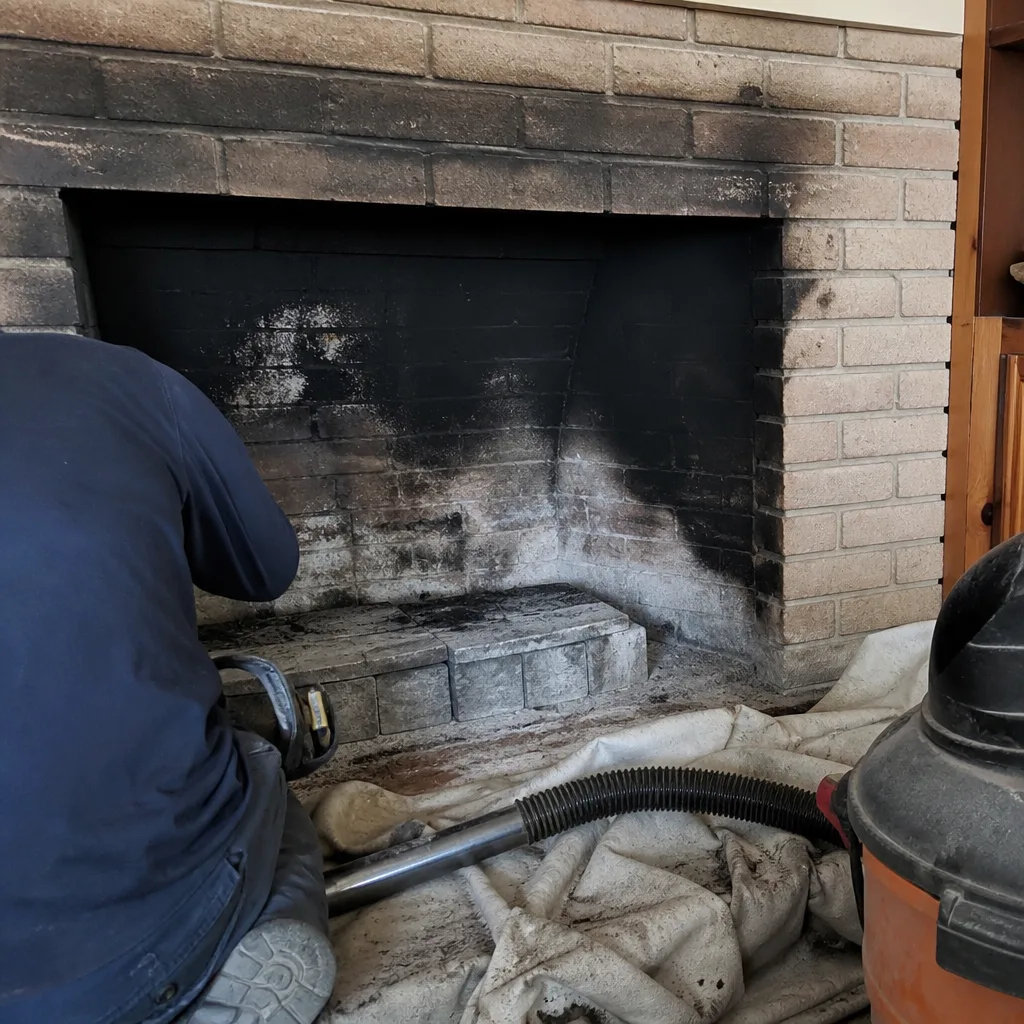 Before
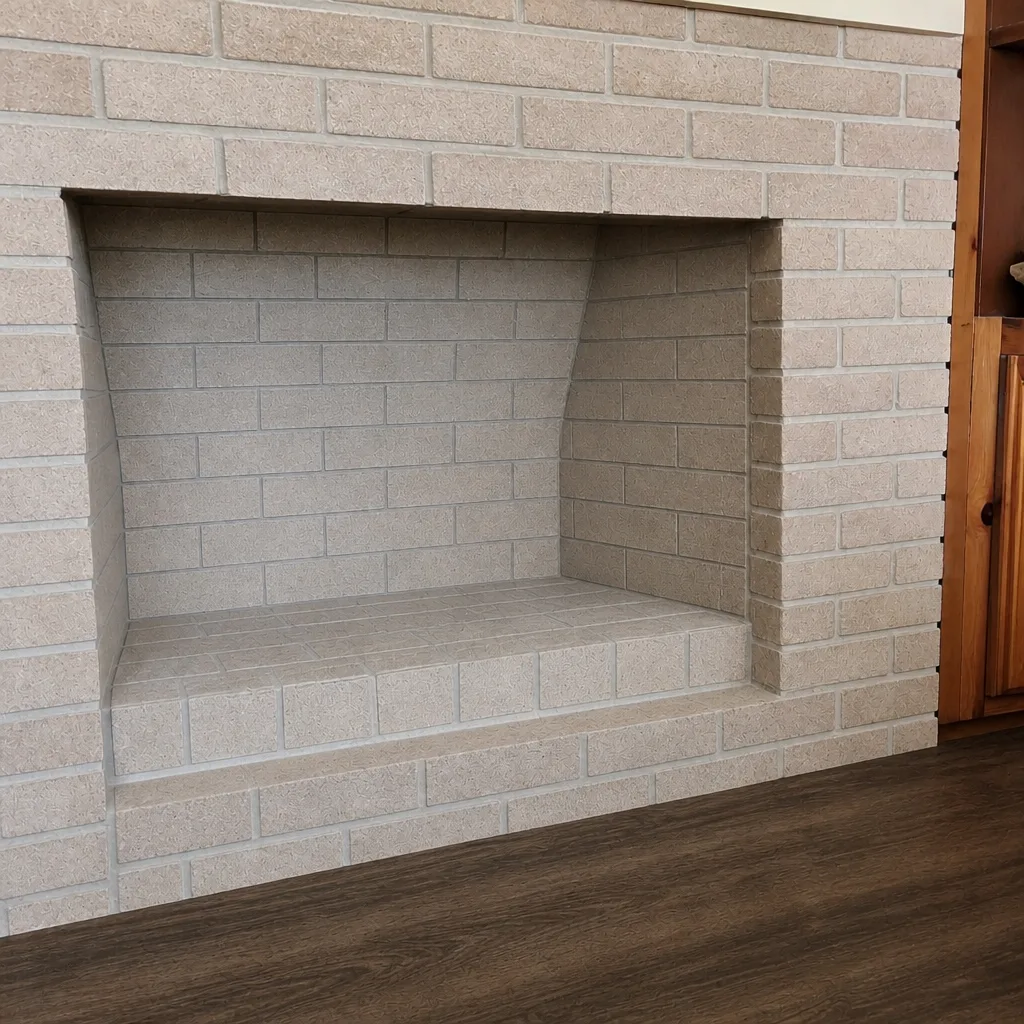 After
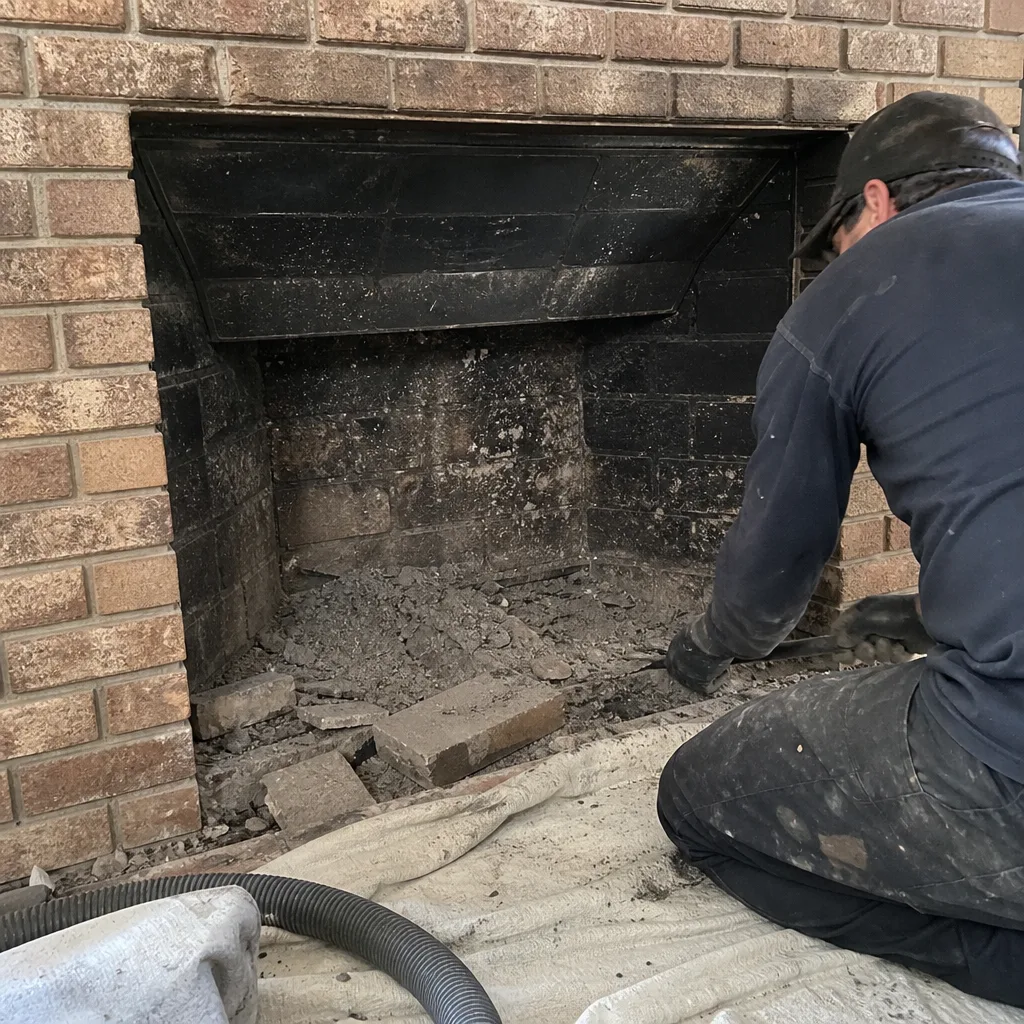 Before
 After
 Before
 After
When to Call a Professional
A few situations call for a specialist visit. Book a chimney sweep if it’s been more than a season since the last cleaning, if you’ve burned a lot of wood through the winter, or if you’re moving into a Herriman home and don’t know the flue’s history. Book an inspection if you’ve had a chimney fire, noticed smoke backing up into the room, or found water staining around the firebox or the flue chase. Call for repair if a cap is missing, a crown is cracked, or a damper won’t seal. Any of those is a sign the system is working harder than it should, and none of them fix themselves.
Chimney Sweep Herriman offers free estimates in Herriman. Call (833) 508-9248. We answer 24/7. Fast dispatch from 7am to 7pm, Sunday through Friday.
Frequently Asked Questions
The best choice is a chimney specialist that uses professional-grade equipment and materials rather than a single brand name. In practice, that means a company that runs rotary cleaning systems for Stage 2 creosote, installs liner systems like DuraFlex, can resurface a flue with HeatShield, and fits caps from professional lines like Gelco and Olympia Chimney. Ask for those specifics before you book, and treat evasive answers as your answer.
A regular sweep is enough for a flue with light, dry soot, but a chemical treatment like Anti-Creo-Soot helps when the flue has hardened Stage 2 glaze. The treatment softens the deposits so the rotary cleaning can remove them, which makes the sweep more effective and safer for the flue surface. Whether you need one depends on what the camera inspection shows, so don’t accept a treatment as a default.
A flexible stainless liner replaces the flue passage with a new metal liner, while a cast-in-place system like HeatShield resurfaced the existing flue from the inside. Flexible liners such as DuraFlex fit most reline jobs, including flues with offsets. Cast-in-place resurfacing is the right call when the original flue is cracked or spalling but structurally salvageable. A specialist can do both and will recommend the one that fits the flue condition.
Because Herriman’s winters put real stress on the roof, and a builder-grade cap won’t hold up over years of freeze-thaw, wind, and snow load. Professional-grade caps from lines like Gelco and Olympia Chimney hold their shape and seal far longer. A failed cap lets water into the flue, and water damage is the beginning of most of the expensive chimney repairs we see. Spending more on the cap up front is the cheaper move.
A generalist can clean a chimney that’s already in good shape, but they usually can’t resurface a flue, install a liner, or fabricate a proper crown. Those jobs need professional-grade products and the training to install them to manufacturer spec. Keep chimney work with a chimney specialist who does the sweep, inspection, repair, and cap in one scope.
Once a year is the usual baseline for a wood-burning flue, and more often if you burn heavily or notice slow, smoky fires. Herriman winters tend to mean real burning seasons, so an annual sweep plus inspection is the minimum. If you’ve never had the flue inspected, book one now. Call (833) 508-9248 for an exact quote; estimates are free.
The Bottom Line
The chimney cleaning brand on the truck matters less than the grade of equipment and materials the company brings to your flue. Rotary cleaning systems outperform push-rod brushes on Stage 2 creosote. Chemical treatments help when the deposits justify them, not as a default. Liner systems come in flexible, rigid, and cast-in-place families, and matching them to the flue is the whole job. Professional-grade caps and dampers beat builder-grade components through Herriman winters, and a chimney specialist who does the sweep, inspection, repair, reline, and cap in one scope will solve the problem instead of handing it off. Our technicians have up to 15 years of experience, and we work with DuraFlex, HeatShield, Gelco, Olympia Chimney, and Copperfield because those are the products built for the work.
Contact Us
Whether you’re due for a routine sweep or you want an honest opinion on what’s going on inside your flue, a chimney sweep visit with camera inspection is the place to start, and any fireplace repair or liner decision should come out of what the inspection actually shows. Estimates are free. Call (833) 508-9248. We answer 24/7. Fast dispatch from 7am to 7pm, Sunday through Friday.
Written by the team at Chimney Sweep Herriman.