
Last updated November 24, 2026
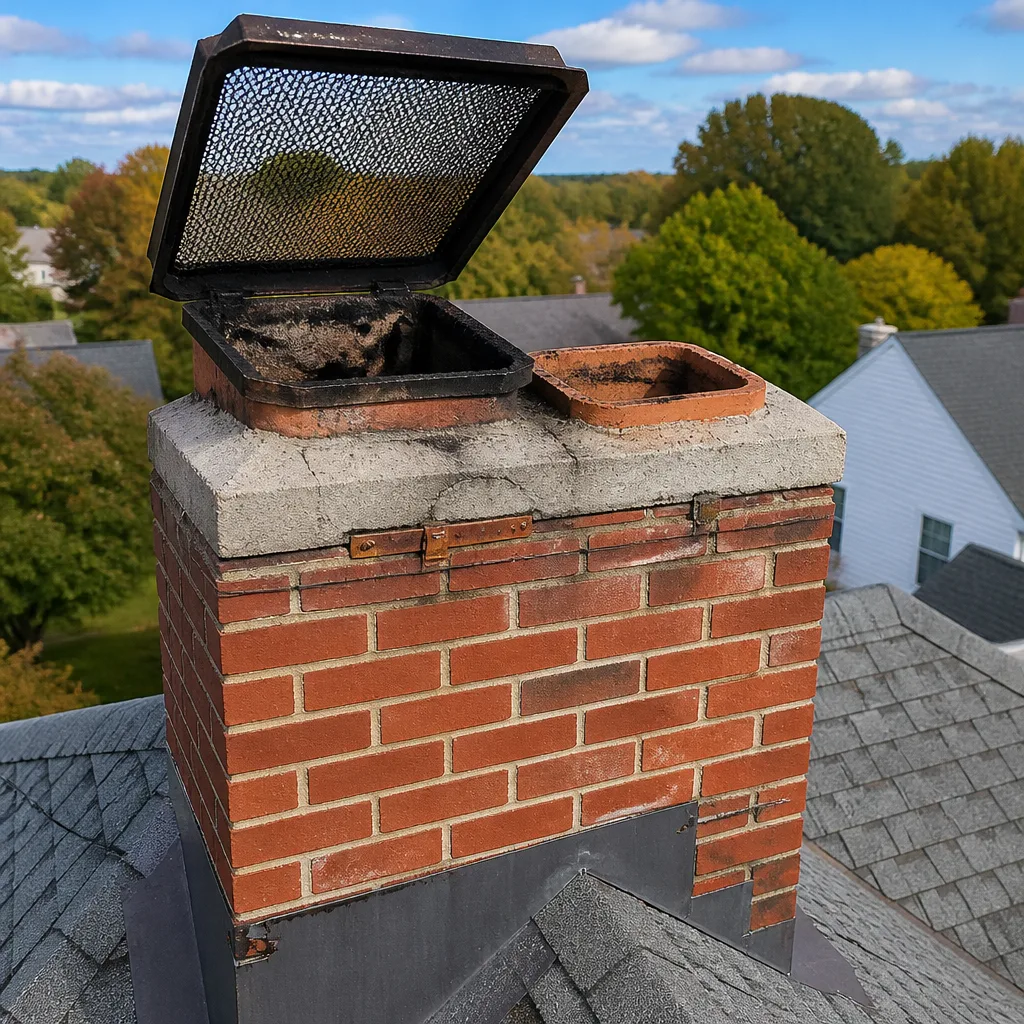 Sweep & inspection
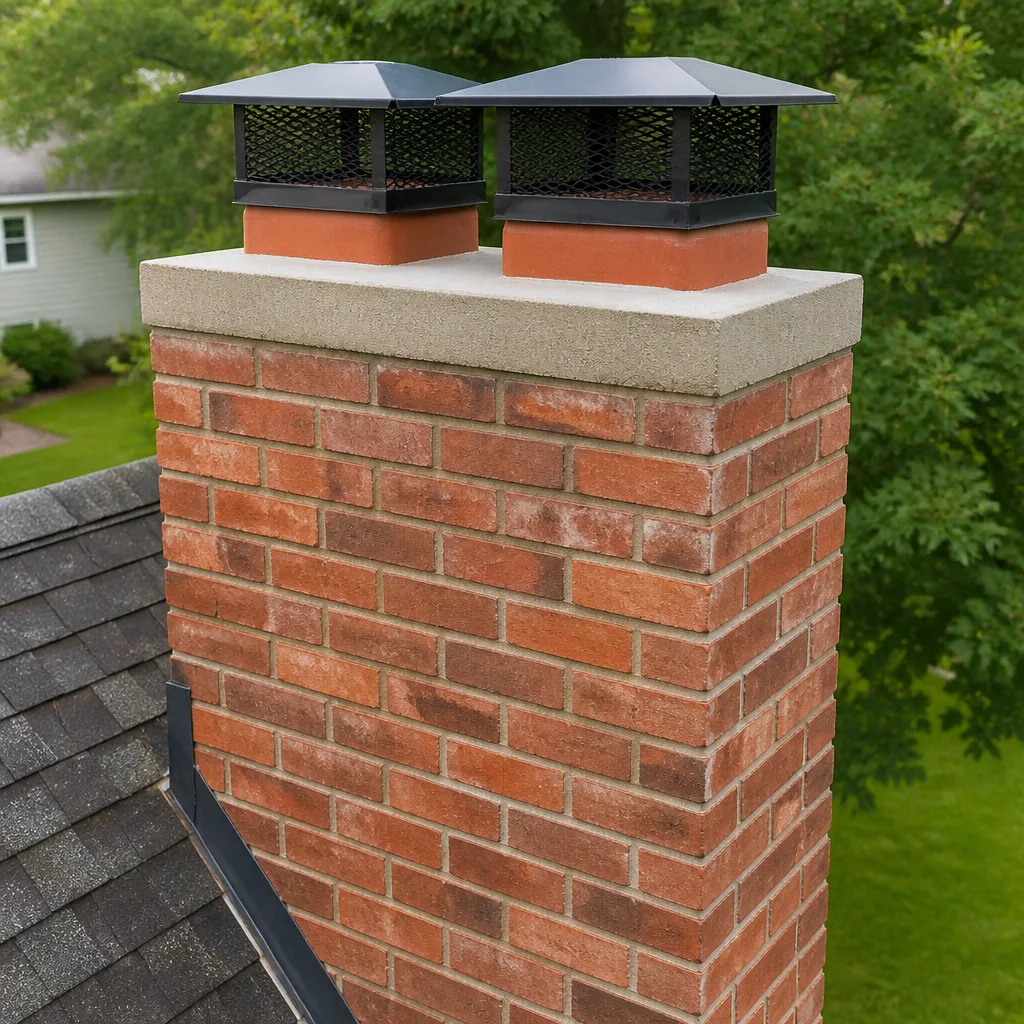 Caps & crowns
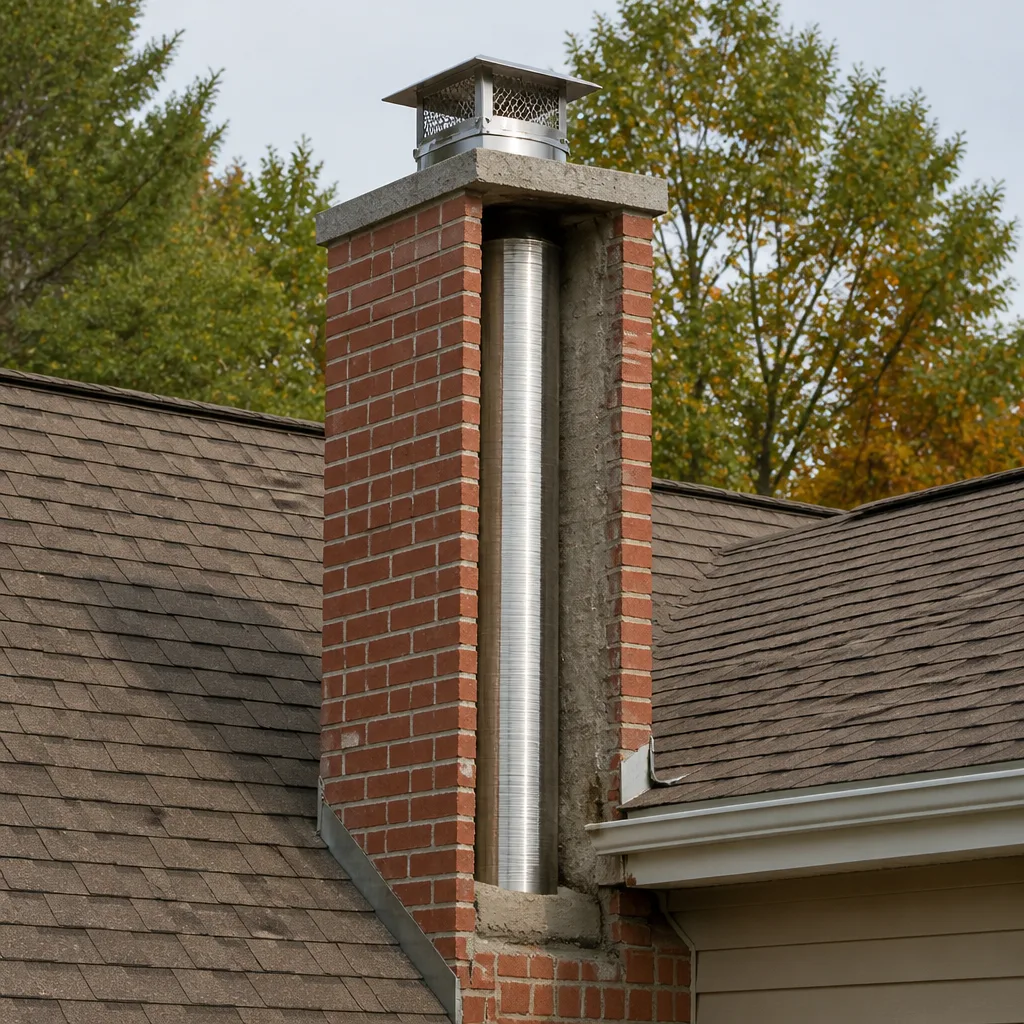 Flue relining
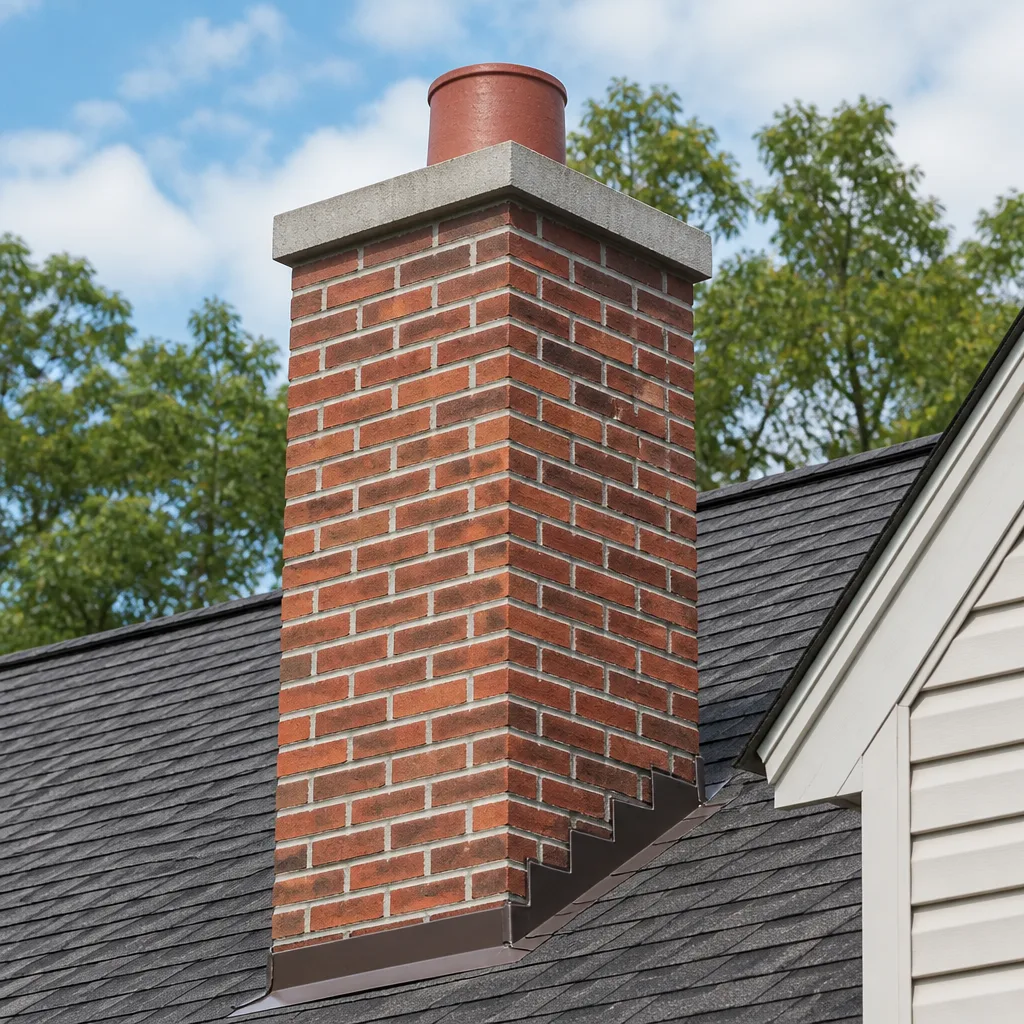 Masonry repair
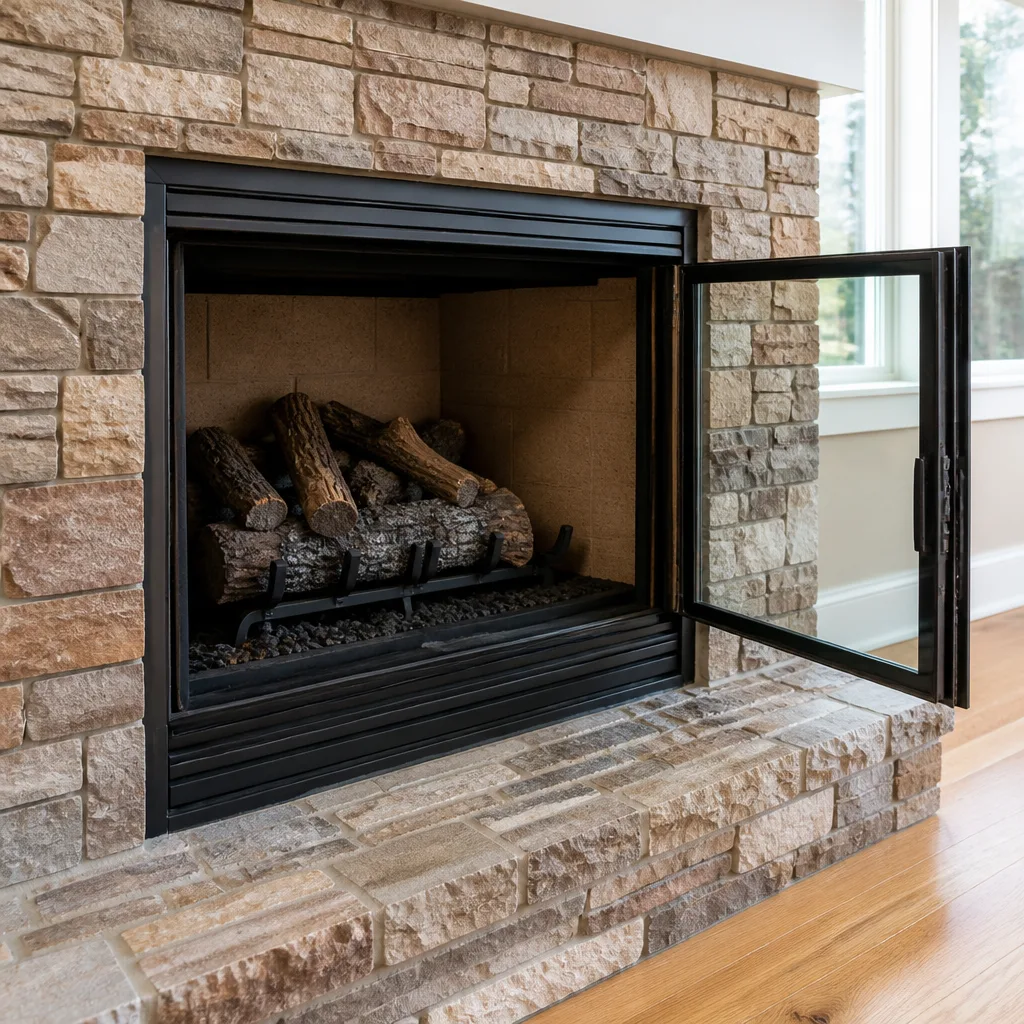 Gas fireplace service
Level 1 sweep and inspection to the NFPA 211 annual standard - flue, crown, cap, and flashing checked and photographed
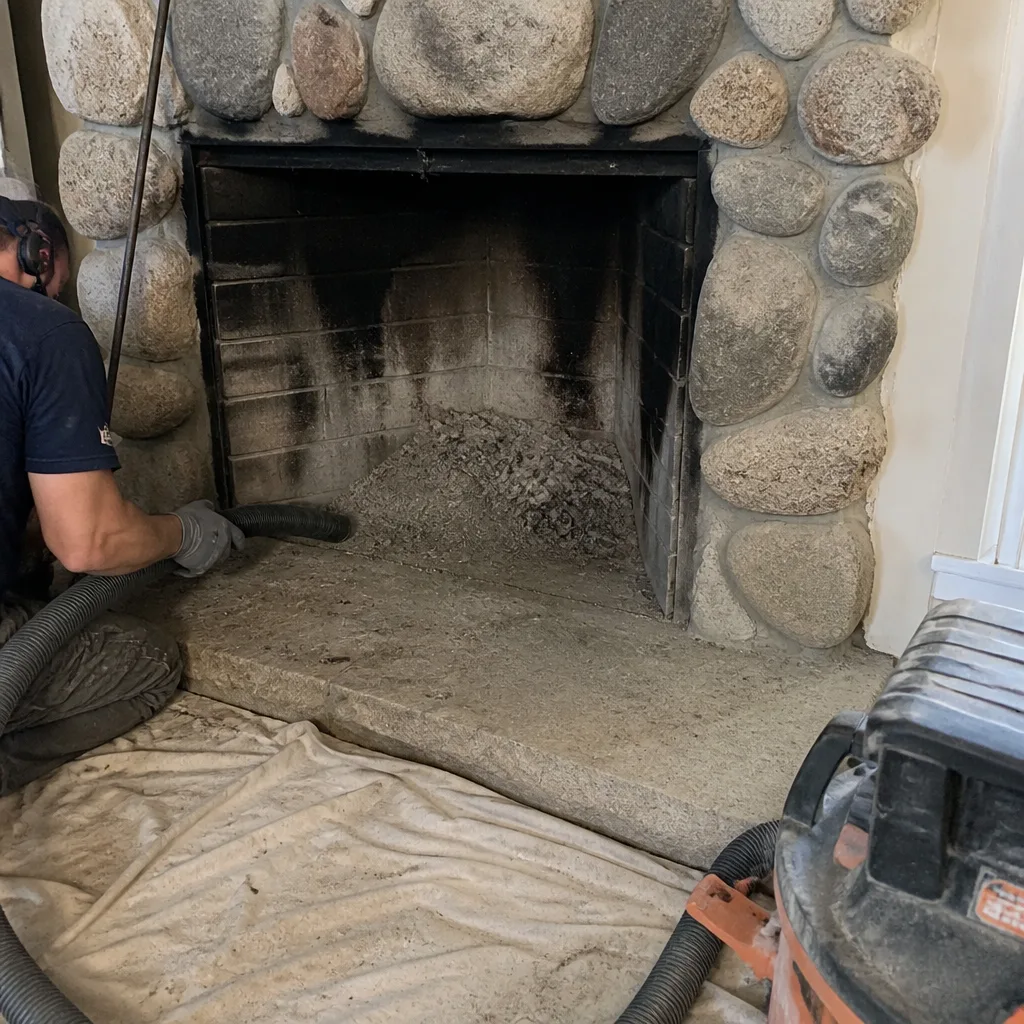
Chimney sweep logs do not sweep chimneys. They loosen some creosote - which then falls where a brush and vacuum still have to collect it.
Chimney Cleaning Emergency Preparedness Guide for Herriman Homes
A chimney fire sounds like a jet engine inside your wall. If that’s the first time you’ve thought about what to do, you’re already behind. Most homeowners in Herriman picture an emergency as flames spilling out of the firebox, but the events that actually damage flues and endanger households are quieter: a slow smoldering creosote fire, a blocked flue pushing carbon monoxide into a bedroom at 2am, or a draft that dies mid-burn on a cold January night. This guide walks through what a real chimney emergency looks like in Herriman, exactly what to do in the first sixty seconds, and what you should have sorted out before the first cold snap. We cover the fire response protocol, the difference between CO and smoke exposure, the post-event inspection rule, and the paperwork your insurer will ask for.
Quick Answer
If you have a chimney fire, close the damper if it’s safe to reach, get everyone out of the house, and call 911 from outside. Never throw water into a hot firebox or flue. After any chimney fire, the flue cannot be reused until a Level 2 inspection confirms it’s structurally sound, because the heat of the event can crack clay tiles, warp a liner, or compromise a masonry crown in ways you cannot see from the hearth. For a carbon monoxide alarm with no visible fire, treat it the same way: evacuate, call 911, and have the flue inspected before any further burning.
Styles & brands we work with
- Sweep & inspection
- Caps & crowns
- Flue relining
- Masonry repair
- Gas fireplace service
Table of Contents
- What to do in the first 60 seconds of a chimney fire
- Why you never use water on a chimney fire
- Carbon monoxide vs. smoke inhalation: telling them apart
- The post-event rule: why a chimney can’t be reused after a fire
- What to have ready before fire season in Herriman
- How to document a chimney event for your insurer
- Herriman-specific storage, snow load, and burn habits
- When to call a professional
What to do in the first 60 seconds of a chimney fire
The first 60 seconds set the tone for everything that follows. Chimney fires escalate quickly because creosote, once ignited, can reach temperatures high enough to crack clay flue tiles and set framing lumber alight through radiant heat. In Herriman, where many homes burn hardwood from late October through March, creosote accumulates faster than most owners realize, particularly in flues that were never swept after the previous winter.
Here is the response protocol we want every Herriman homeowner to have memorized before they light their first fire of the season:
- Close the damper if you can safely reach it. Cutting the air supply starves the fire of oxygen. If the handle is too hot to touch, do not force it; move to step two.
- Get everyone out of the house. Adults first with children and pets, then assemble at a single meeting point in the front yard.
- Call 911 from outside. Even if the fire seems to have died down, call. Embers can re-ignite in the flue or in attic wood framing for hours.
- Do not re-enter to retrieve belongings. A damaged flue can collapse or dump smoke into the living space without warning.
- Do not close the firebox door on a roaring creosote fire. If the glass is hot and the fire is still drawing, the door can shatter under pressure.
- Note the time and the first symptoms you observed. Firefighters and your insurer will both ask.
If you are not certain whether the sound coming from the wall is a chimney fire or HVAC noise, err on the side of evacuation. A low rumble that builds into a roar, a smell of hot metal, or visible smoke at a flue joint all point to the same answer: get out and call. When we run a chimney sweep before the heating season, one of the conversations we have is exactly this scenario. Knowing the sequence is worth more than knowing the theory.
Why you never use water on a chimney fire
Water is the wrong tool for a chimney fire, and most homeowners who try it make the situation worse. Here’s why. A chimney flue operates in the hundreds of degrees during a normal burn, and far hotter during a creosote event. Pouring a bucket of water into a firebox that hot causes an almost instantaneous flash to steam. That steam expands roughly a thousandfold, and it has nowhere to go except through any gap in the flue lining, into a masonry wall, or out into the room where you’re standing. Beyond the burn risk to you, the sudden thermal shock can crack clay tiles that were otherwise intact.
What actually works is starving the fire of fuel and oxygen:
- Cut the air. Close the damper and any firebox doors the fire is drawing through.
- Let the fire department handle suppression. Professional crews use dry chemical extinguishers and chimney bombs designed for exactly this fire load.
- Keep the structure cooled from outside. Firefighters will monitor wall temperatures and wet down adjacent roofing if needed.
- Do not re-open the damper until the fire department clears the scene. Reintroducing oxygen into a smoldering flue can restart the event.
There are also a few things you should never put down a flue during a fire: salt, baking soda, sand, or a wet towel. None of them reach the fire, and some create a secondary problem (salt corrosion of stainless liners, for example) that a proper flue inspection will catch but you will not.
Carbon monoxide vs. smoke inhalation: telling them apart
Carbon monoxide and smoke are different hazards with different warning signs, and a blocked flue in a Herriman home can produce CO before it produces any visible smoke at all. That’s the central point most homeowners miss. CO binds to hemoglobin roughly two hundred times more readily than oxygen does, so a small concentration over a few hours is enough to cause serious symptoms. Smoke inhalation, by contrast, is irritating and usually produces obvious visual and physical cues.
Signs pointing to carbon monoxide
- Headache, dizziness, and nausea with no obvious cause
- Multiple household members feeling unwell at the same time, especially in the same room
- Symptoms that improve when you leave the house and return when you go back inside
- Sleepiness or confusion in the evening while a fire is burning
- Pets appearing lethargic or vomiting at the same time as people feel ill
- A CO alarm sounding, even briefly
Signs pointing to smoke inhalation
- Visible smoke inside the room, especially at the firebox door, flue joint, or a damper
- Soot stains appearing on or around the firebox or wall above it
- Burning eyes, cough, hoarse throat, or a metallic taste
- A strong smell of smoke in the room even with the damper fully open
If you suspect CO, open windows and doors, step outside, and call 911. Do not try to find the leak yourself. Blocked flues, cracked heat exchangers, and backdrafts are all flue-side problems that require a professional diagnosis, and none of them are safe to investigate with a flashlight. A blocked flue caused by a bird nest, soot collapse, or a broken tile is one of the most preventable CO sources in a home with a fireplace, and a proper chimney inspection catches it before it becomes an event.
Why CO is more dangerous than smoke for a fireplace home
Smoke from a fireplace is almost always obvious: you see it, you smell it, you feel it in your eyes. CO is colorless and odorless. In the closed-floor-plan homes common in newer Herriman subdivisions, a slow backdraft can push CO through an HVAC return or a furnace flue junction while the fireplace looks like it’s burning normally. That is why the detector is not optional equipment.
The post-event rule: why a chimney can’t be reused after a fire
After any chimney fire, the flue is unusable until a Level 2 inspection clears it. This isn’t a vendor upsell; it’s the standard industry protocol from the chimney safety organizations, and it exists because the damage from a chimney fire is almost entirely internal. Clay flue tiles spall under thermal shock, and a spalled tile creates gaps between the liner and surrounding masonry. Wood framing near those gaps is now exposed. Stainless liners can warp or open at a seam, and a warped liner drips condensate and creosote into the masonry chase. A masonry crown can crack from the heat radiating up through the flue masonry. None of that damage is visible from a hearth view.
Here’s what a proper post-event chimney repair evaluation includes:
- Visual inspection of the firebox and damper. Looking for spalling, warped parts, and firebox-to-flue transition damage.
- Camera inspection of the full flue length. Video documentation of every joint, offset, and roof penetration.
- Crown and flashing review from the roof. Heat rises, and the crown is the highest point that absorbs it.
- Draft test. Confirming the flue still pulls correctly after the event.
- Written report with photos. This is the document your insurer will want.
Depending on what the inspection finds, the repair path varies. A hairline crack in one tile joint might be addressable with HeatShield flue resurfacing, which restores the interior surface without a full tear-out. A warped or failed stainless liner calls for a DuraFlex reline, which is a full-length replacement rated for the appliance and the fuel type. Caps and crowns that failed during the event fall under our chimney cap & crown service. Each of those is a different scope, and the inspection is what determines which one you actually need.
What to have ready before fire season in Herriman
The best time to prepare for a chimney emergency is in September, not in January when the snow is coming sideways and every sweep in the valley is booked. Herriman’s burn season typically runs from October into March, and the first cold snap sends a wave of calls to every chimney company along the Wasatch Front. Getting on the schedule before that wave hits is the single most effective preparation step you can take.
Equipment and detectors for a fireplace-equipped Herriman home
- Two carbon monoxide detectors. One on the sleeping level, one in the main living area near the fireplace. Replace the battery at daylight saving changes.
- One smoke detector on each level plus one in the attic if your home has one, since a chimney fire can reach framing through radiant heat.
- A dry chemical extinguisher rated for class A and B fires within reach of the hearth, not stored in a closet or the garage.
- A metal ash can with a tight lid for removing ashes, which should never be stored inside the house or on a wood deck.
- A working flashlight near the fireplace, in case the event happens after dark (which, in our experience, is most of the time).
- A printed contact card with our number, your insurer’s claims line, and 911 taped inside a kitchen cabinet.
CO detector placement that actually matters
For a home with a fireplace or wood stove, place one CO detector in the bedroom hallway outside the bedrooms, and one within ten feet of the fireplace but not directly above it. Heat rises, and a detector mounted on the wall just above a mantel will trigger on ambient heat before it detects CO. Don’t mount a CO detector in a closet, on a ceiling above a wood stove, or in a room where it can’t hear the alarm at night.
Emergency contact for chimney response
Program (833) 508-9248 into your phone now, not during the event. We answer 24/7. Fast dispatch from 7am to 7pm, Sunday through Friday. Two quick notes: a call outside dispatch hours is booked into the next opening, Sunday through Friday, 7am to 7pm, and we’re closed Saturday.
How to document a chimney event for your insurer
Homeowners insurance typically covers a chimney fire, but the paperwork determines how smooth the claim goes. Most insurers want three things: the fire department incident report, photos or video of the damage from a qualified inspector, and an estimate of repairs scoped to the actual damage. An insurer that receives a sweep invoice with “chimney fire – needs repair” on it will usually bounce it back. An insurer that receives a written inspection report with photos of the failing flue joint and an itemized estimate moves faster.
Here’s the documentation sequence that works:
- Request the fire department’s incident report number at the scene or the morning after. Often this can be emailed within a few days.
- Do not throw away any damaged components until the claim is settled. A warped damper or a spalled flue tile is evidence.
- Schedule a Level 2 inspection with video and written report. Ask for the report in a format you can email (PDF) and the raw video if available.
- Get a written estimate before repair begins that separates scope items (inspection, cleaning, liner, crown, cap) instead of a single lump sum.
- Submit all four items together: incident report, inspection report, estimate, and any before/during photos you took.
- Keep the estimator’s direct contact in case the adjuster needs a clarification call.
Two things we hear repeatedly from Herriman homeowners about insurance claims: adjusters rarely object to a properly documented inspection, and adjusters almost always push back on a vague estimate. Getting the report in hand before you call the insurer is the difference.
Herriman-specific storage, snow load, and burn habits
Herriman sits in a wind-exposed corner of the Salt Lake Valley, and the weather here does specific things to chimney systems that homeowners in warmer towns don’t deal with. Snow load on a roof cap or crown is real here. A plastic or thin-gauge steel cap that sags under a heavy snowpack will eventually deform the crown below it, and once the crown cracks, water tracks down the outside of the flue into the masonry. By the time you notice a stain on the ceiling, the flue has been wet for a season.
Wood storage matters even more in Herriman than most homeowners realize. Because winter air is often dry and cold, homeowners here tend to burn whatever wood is available, and “seasoned” wood in our market frequently isn’t. Wet wood burns cool, produces more creosote, and that creosote accumulates faster in a flue that’s cycling between hot burns and cold overnight windows. A flue that’s swept every year in a different climate might need a mid-season check in Herriman if you’re burning through a lot of softwood or unseasoned cord.
Neighborhoods along the western ridges tend to see more wind-driven downdrafts on cold mornings, and a down-drafting chimney will sometimes let smoke roll back into the room even when the flue is clean. That’s a flue-height or cap-design issue, not a cleaning issue, and it’s a conversation to have with a chimney specialist rather than a general handyman. Newer construction in the valley and on the eastern bench sometimes uses factory-built fireplaces with specific flue manufacturers, and a proper replacement cap or a new liner has to be matched to the manufacturer spec. That’s the reason we work with professional-grade brands (DuraFlex, HeatShield, Gelco, Olympia Chimney) rather than generic hardware-store material. Matching the appliance to the right component matters more than the price of the part.
Across all of Herriman, the underlying pattern is the same: winter burning is concentrated in a few months, creosote accumulates fast during those months, and the events happen at night when the fire has been burning unattended for hours. The Chimney Sweep Herriman side of our practice is built around that reality.
Common Mistakes to Avoid
- Waiting until the first cold snap to book a sweep. Every chimney company along the Wasatch Front is booked solid the first two weeks of the heating season. Book in September and you’ll be on the schedule when the snow flies.
- Burning unseasoned wood because it’s what’s in the stack. Wet wood produces more creosote per cord than dry, and in a Herriman winter where you might burn three or four cords, that’s a meaningful buildup difference.
- Skipping the CO detector because you have a smoke detector. They detect completely different hazards, and a chimney fire produces smoke but a blocked flue produces CO before it produces smoke.
- Treating a chimney fire as a “self-extinguished” event. A fire that went out on its own doesn’t mean the flue is safe. The inspection is what tells you whether the flue is still usable, not the fact that flames stopped.
- Letting a general handyman work on the flue. Standard sweep and repair work depends on familiarity with appliance-to-flue matching, liner tolerances, and manufacturer spec. That knowledge is specific to chimney work and isn’t picked up in an afternoon.
- Leaving a failed crown through the winter. A cracked crown invites ice, water, and freeze-thaw cycling into the masonry, and by spring the repair scope has grown beyond the crown itself.
- Assuming the firebox looks fine therefore the flue is fine. The firebox is the visible end. The parts that fail are usually the parts you cannot see without a camera.
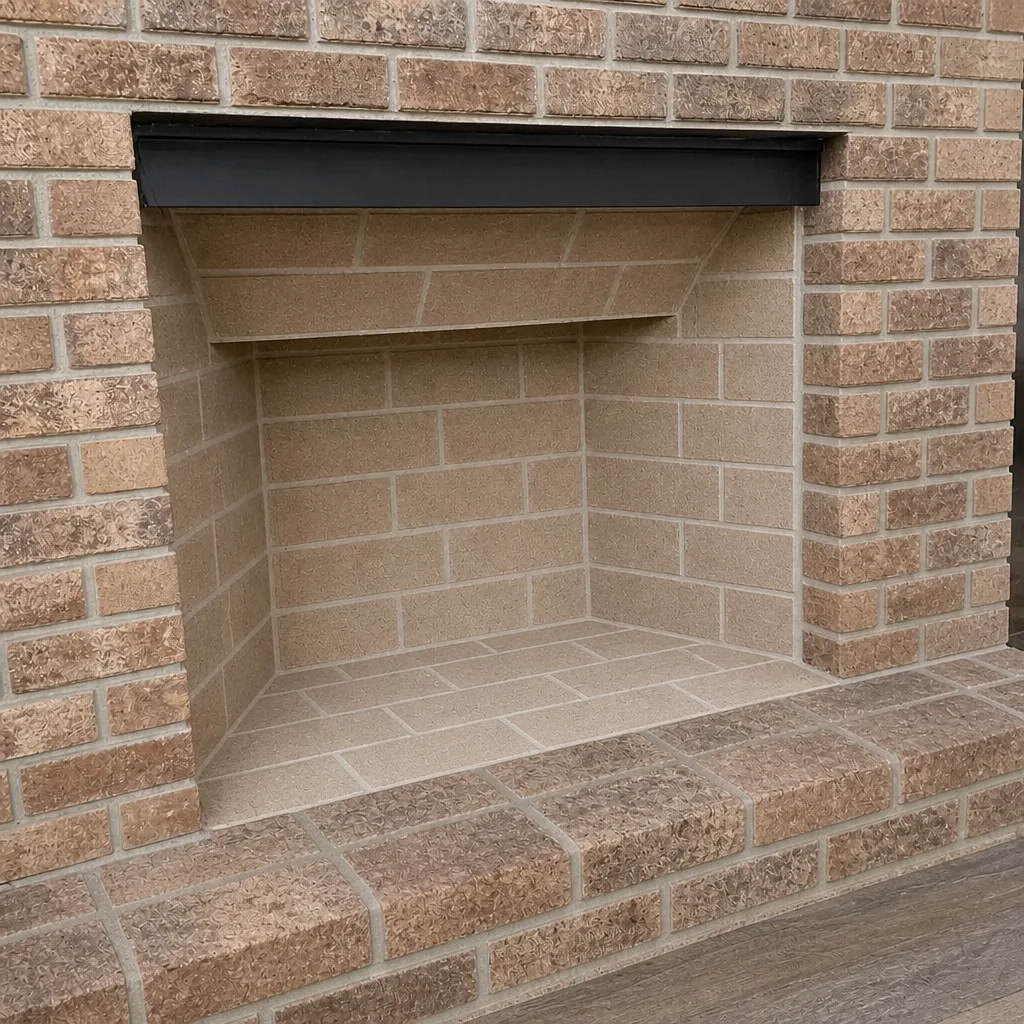
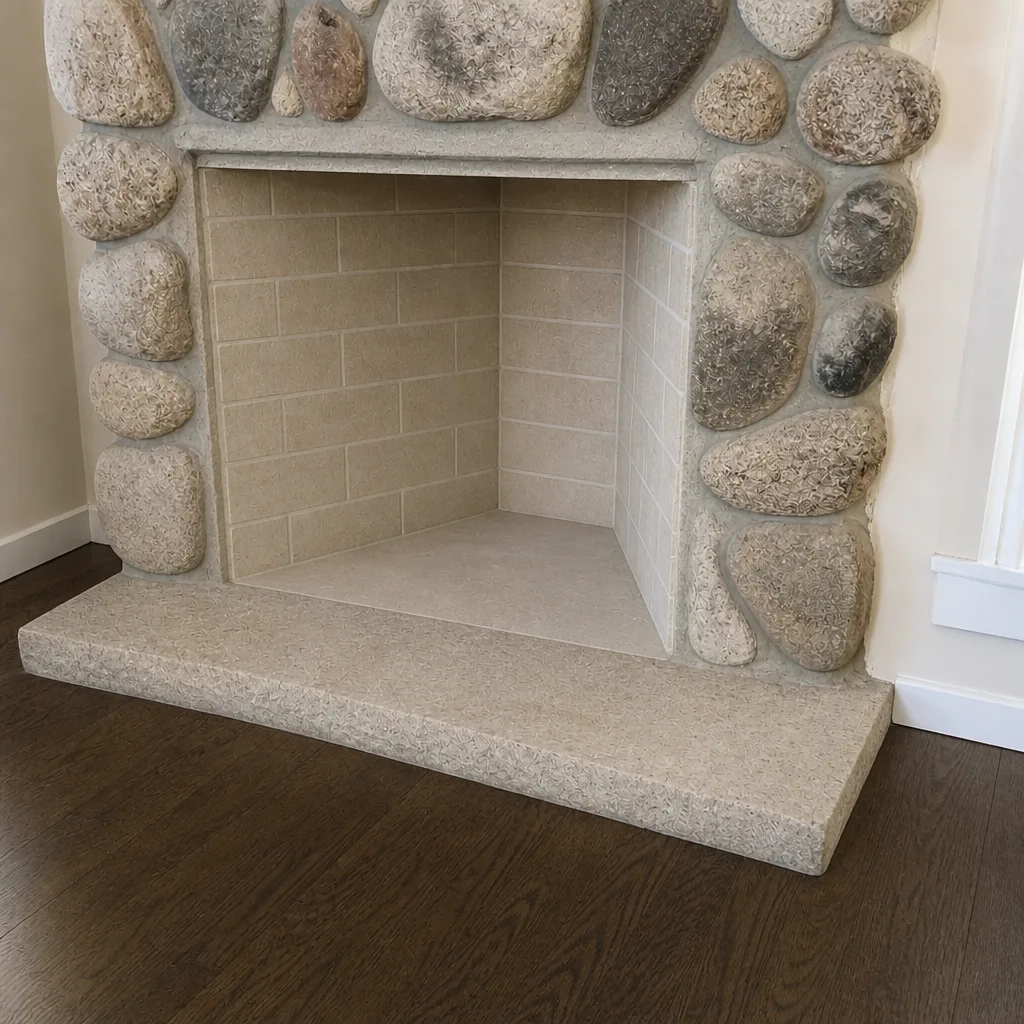
See the difference
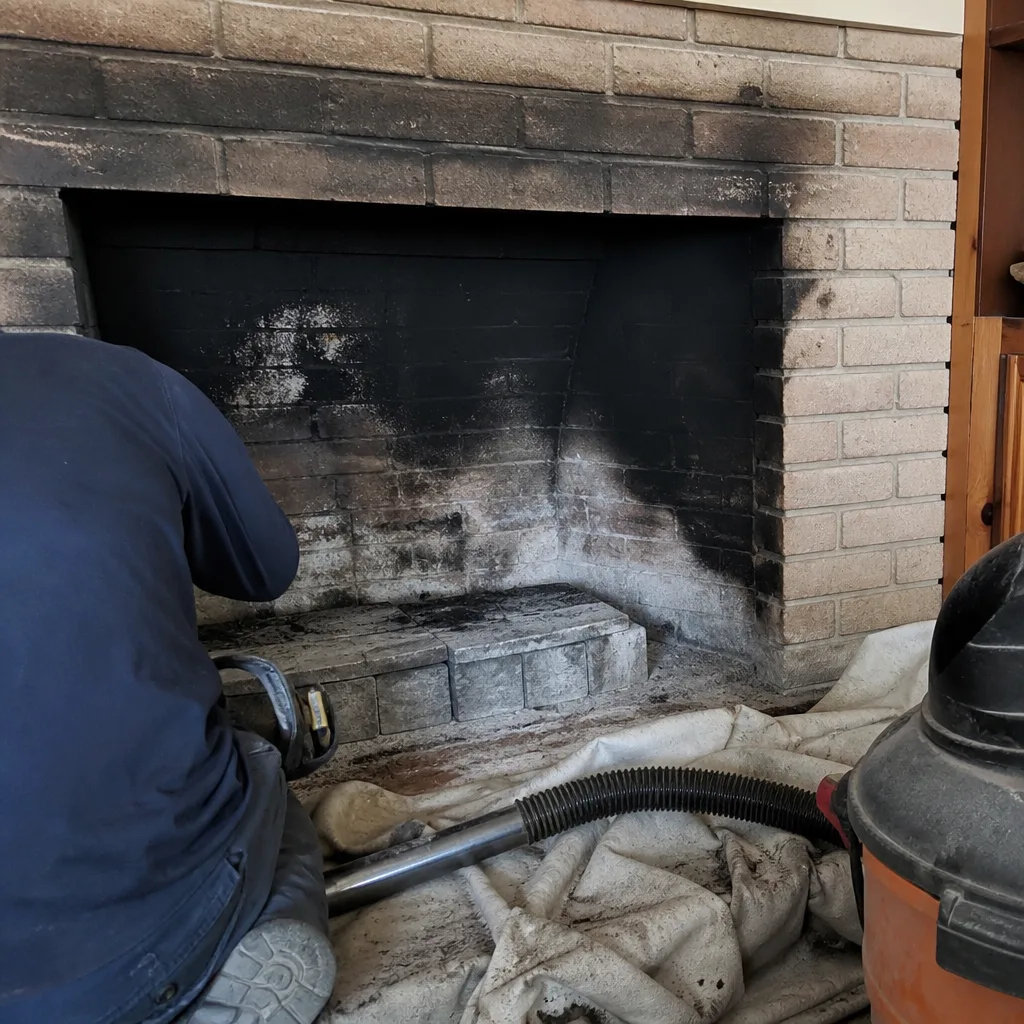 Before
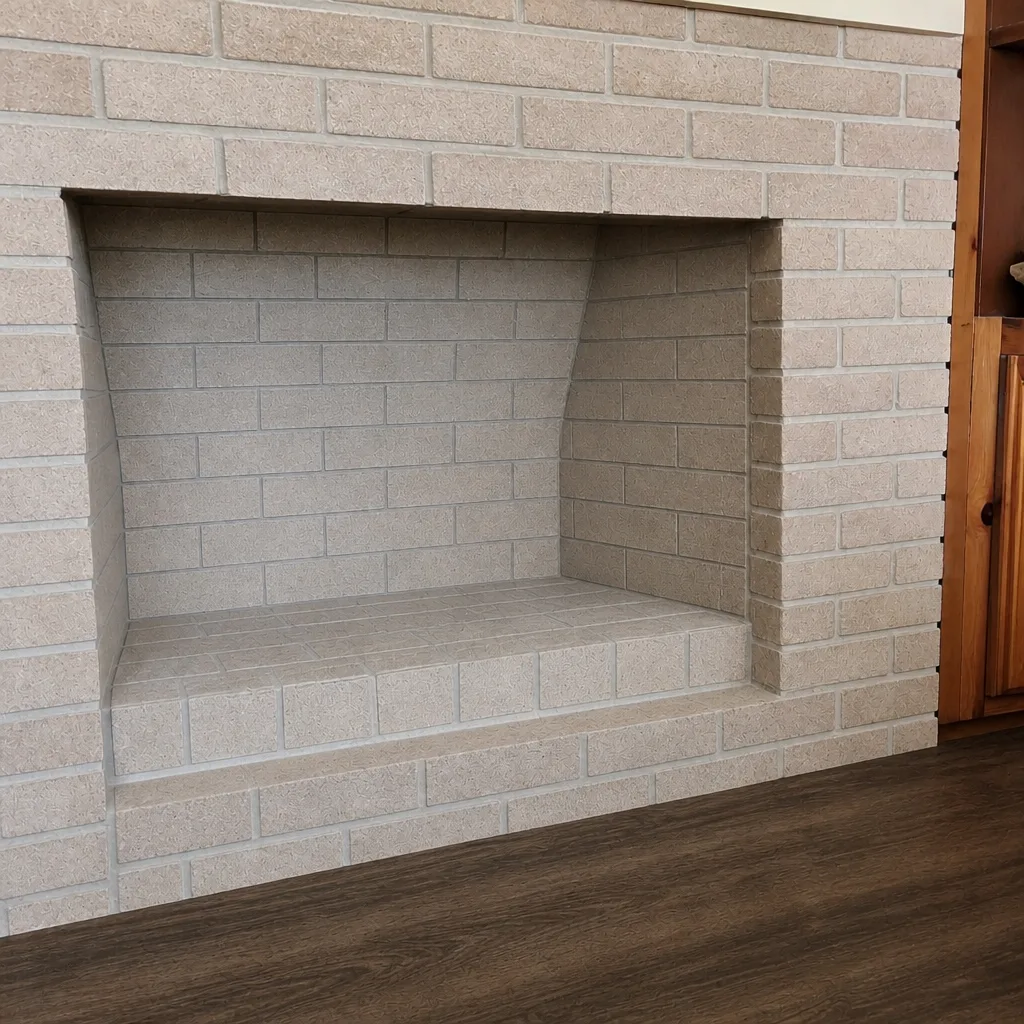 After
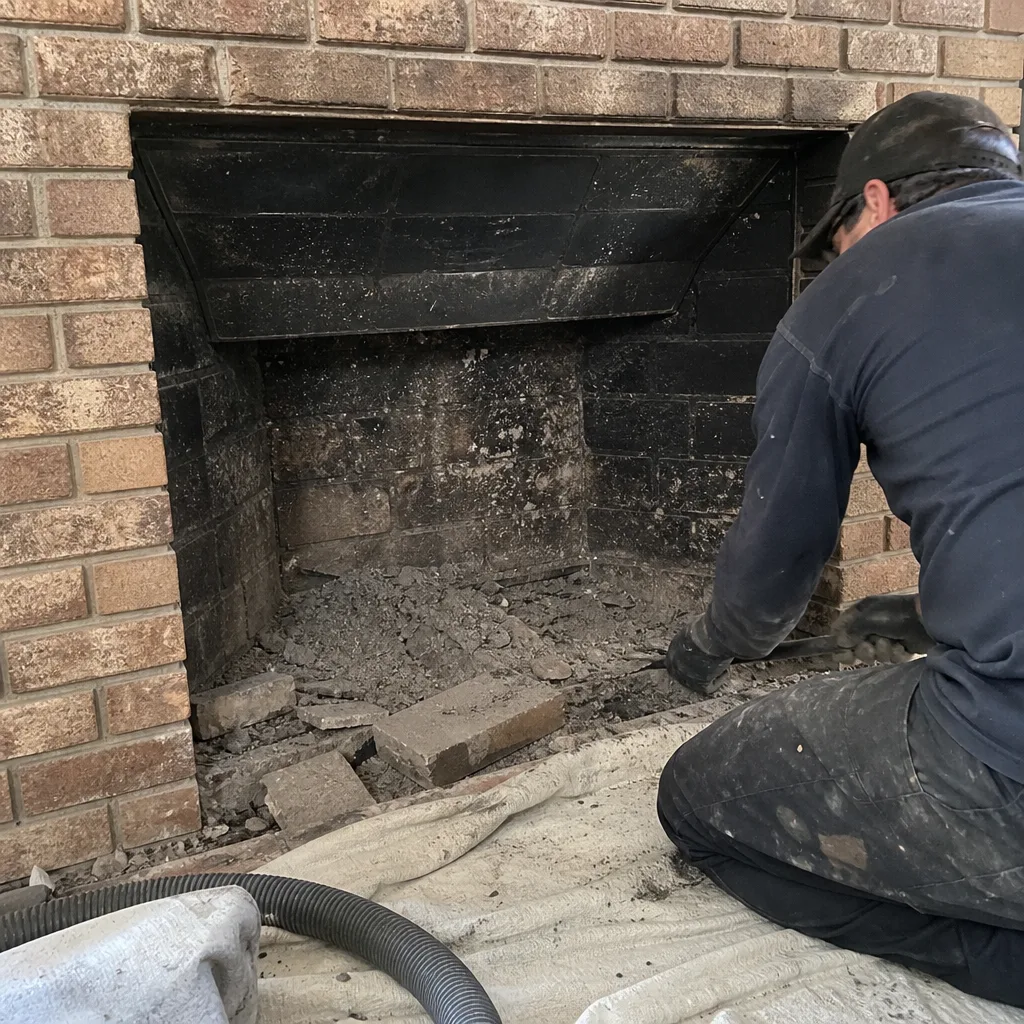 Before
 After
 Before
 After
When to Call a Professional
Call us if you’ve had any chimney fire, suspected or confirmed, before you light the next fire. Call if a CO detector has triggered, even briefly and even if it reset. Call if you see smoke rolling into the room with the damper fully open, if you smell creosote in the house on a cold day, if the firebox has visible cracks or crumbling mortar, or if your wood stove or fireplace hasn’t been inspected since you moved in. Call before you buy or sell a Herriman home with a fireplace, because the inspection report belongs in the disclosure package. And call if a previous company found a problem and left without offering a repair path; from sweep to repair, it’s handled by one specialist. Chimney Sweep Herriman offers free estimates in Herriman. Call (833) 508-9248. We answer 24/7. Fast dispatch from 7am to 7pm, Sunday through Friday.
Frequently Asked Questions
Close the damper if you can safely reach it, get everyone out of the house, and call 911 from outside. Do not throw water into the firebox, and do not re-enter until the fire department clears the scene. After the event, have the flue inspected before using the fireplace again. Call (833) 508-9248 for an exact quote on the inspection; estimates are free.
CO exposure causes headache, dizziness, nausea, and confusion without visible smoke or smell, and usually affects multiple people (and pets) at the same time. Smoke inhalation produces burning eyes, cough, hoarse throat, and visible smoke in the room. If you suspect CO, open windows, get outside, and call 911 immediately. Follow up with a chimney inspection before burning again. Call (833) 508-9248 to book one; estimates are free.
No, not until a Level 2 inspection confirms the flue is structurally sound. The heat of even a small chimney fire can crack clay tiles, warp a stainless liner, or open seams at liner joints, and none of that is visible from the hearth. Call (833) 508-9248 to schedule the inspection; estimates are free.
Once a year for most homes that burn wood regularly, and more often if you burn unseasoned wood or the fire is used heavily through the winter. A homeowner who burns three or more cords in a Herriman season should plan on a mid-season check as well. Call (833) 508-9248 to book a sweep; estimates are free.
Usually, yes, if the claim is documented with a fire department incident report, a written inspection report with photos, and an itemized estimate. Insurers tend to reject claims that arrive as a single vague invoice. Get the inspection report first, then call your insurer. Call (833) 508-9248 for the inspection; estimates are free.
A Level 2 inspection typically runs a few hundred dollars, with the exact figure set by the written estimate we provide after we see the flue and appliance. The written estimate sets the final price, and the estimate itself is free. Call (833) 508-9248 to get one scheduled.
The Bottom Line
Chimney emergencies in Herriman happen in the winter, at night, and under pressure. The homeowner who has memorized the response sequence, has a CO detector on each level, knows where the extinguisher is, and has a chimney specialist’s number saved will make the right calls in the first sixty seconds. The homeowner who hasn’t will do something like throw a bucket of water into a hot firebox, and that’s a much worse day. Get the preparation done before October. Book the sweep and inspection now, replace the CO batteries, print the contact card, and put the number where you’ll find it in the dark. Chimney Sweep Herriman covers sweep, inspection, repair, reline, and cap and crown work under one specialist, using professional-grade materials matched to your appliance. Call (833) 508-9248 for a free estimate. We answer 24/7. Fast dispatch from 7am to 7pm, Sunday through Friday.
Written by the team at Chimney Sweep Herriman.